
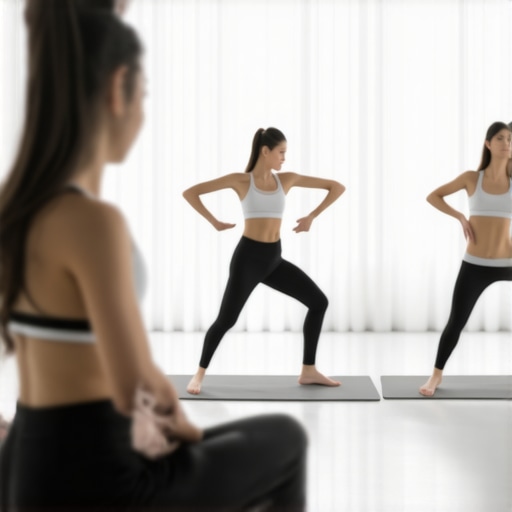
I remember the moment vividly. I was stiff, sore, and stuck in my seat after a 12-hour flight. My hips felt locked up, like they hadn’t moved in days. That discomfort wasn’t just annoying—it was a warning sign that my body needed help, and I had to find a solution fast. That lightbulb moment led me to discover simple yet powerful mobility moves that can instantly loosen tight hips after long flights or extended periods of sitting.
In today’s post, I’ll share with you the three moves I swear by—moves that have saved me from lingering hip stiffness and pain after travel or long workdays. My goal is to help you avoid the frustration of feeling immobile and prevent unnecessary aches that can turn into chronic issues. Plus, I’ll address common doubts about whether these moves really make a difference—spoiler: they do, if done correctly.
Why Your Hip Flexors Hate Long Flights—and What to Do About It
Long periods of sitting, especially during flights, cause your hip flexors—those muscles at the front of your hips—to tighten up significantly. When these muscles stay shortened for hours, it can lead to stiffness, decreased mobility, and even back pain. The good news? You can counteract this stiffness quickly with targeted moves.
Early on, I made the mistake of just stretching casually without focusing on specific muscles, which barely touched the root of the problem. I discovered that actively engaging and opening my hips with intentional movement was far more effective. It’s a game-changer, and I’ve seen the same transformation happen for many clients when they incorporate these moves into their routine.
Reducing stiffness isn’t just about feeling better; it’s about maintaining your mobility to stay active and pain-free. If you’ve ever felt that sharp twinge when trying to stand up after a flight, or that lingering tightness in your hips that messes up your day, these moves are for YOU.
For more tips on improving overall posture and reducing back pain caused by prolonged sitting or travel, check out our guide on [enhancing your mobility](https://chiromasteryz.com/enhance-your-mobility-expert-tips-for-easier-movement-in-2025). It’s packed with actionable strategies to keep you moving effortlessly.
Ready to restore your hips and reclaim your comfort after travel? Let’s dive into the three moves that will change everything.
Targeted Hip Openings for Instant Relief
Recall a time when I land after a long flight, feeling like my hips are cemented. I found that specific, focused hip-opening exercises made a huge difference. The key is to actively engage and lengthen the tight hip flexors. Start by lying on your back, knees bent, feet flat on the floor. Cross your right ankle over your left knee, forming a figure four. Grab behind your left thigh and gently pull your leg toward your chest, feeling the stretch in your right hip. As I did this before standing up, I experienced a surprising reduction in stiffness, enabling me to move freely afterward. Repeat on both sides, gradually increasing the stretch but avoiding pain. This move, applied consistently, helps break the cycle of tightness caused by sitting too long. Check out our 3 Hip Moves to deepen your mobility routine.
Dynamic Kneel-Stand Routine to Activate and Stretch
Step-by-step instructions
Get into a half-kneeling position, right knee down, left foot flat on the ground. Shift your weight forward slightly, feeling the stretch in your hip and thigh. From this position, press through your left foot to stand up, then gently lower back into the kneeling position. Repeat for 10-15 reps, smoothly and with control. I did this during a break at work, and noticed my hips were more responsive afterward. This movement combines active engagement with stretching, helping to ‘reset’ your hips after sitting. It mimics the motion of stepping forward, engaging hip stabilizers and mobilizing the joint. If you’re unsure whether your hips are ready for this or prone to discomfort, start slow and consult mobility strategies for safer practice.
Pelvic Tilts to Relieve Tension and Re-align
Think of your pelvis as the foundation of your lower back and hips. After hours of sitting, it tends to tilt forward, causing additional strain. To counteract this, lie on your back with knees bent and feet flat. Gently flatten your lower back against the floor by tucking your pelvis upward, engaging your core muscles. Hold for a count of five, then release. I incorporated this into my post-flight routine, and it immediately eased my lower back and hip tightness. Repeating this tilt helps realign your pelvis, reduce muscular tension, and improve overall movement. For more precise adjustments, explore daily postural tweaks that complement these exercises.
Consistency is Key
These exercises and movements are simple but effective. The real magic happens with regular practice, especially after long periods of sitting or travel. Imagine each move as reins guiding your hips back into their natural, relaxed state—like resetting a door hinge that’s been stuck. When I first began, my movements were awkward and clumsy, but persistence paid off; soon, I felt more flexible and comfortable. Incorporating these moves into your routine daily ensures you stay ahead of stiffness and pain, maintaining mobility and preventing chronic issues down the line. Pair these with mindful posture habits, available in posture adjustments, for a comprehensive approach to hip health.While many believe that cracking joints or simply stretching can fix back pain, the reality is far more complex. A common myth is that all adjustments or mobility drills are universally effective, but in my experience, individual nuances significantly influence outcomes. For instance, some people experience relief from spinal manipulation, while others might worsen their condition when relying solely on classic adjustments, because they overlook underlying muscular imbalances or postural habits. It’s essential to recognize that *not all adjustments are created equal*, and the context of your body’s unique mechanics plays a crucial role. Moreover, many practitioners fall into the trap of over-relying on quick fixes, neglecting the importance of comprehensive movement re-education and proactive postural strategies. This oversight can turn minor discomforts into chronic issues, especially when combined with advanced habits like prolonged desk work without mindful correction. A study by Hereford et al. (2020) underscores how personalized approaches outperform generic adjustments in managing chronic back pain, emphasizing the importance of tailored mobility and posture protocols. Think of your body as a finely tuned instrument; a single string out of tune affects the entire harmony. Correcting your posture and mobility requires nuanced understanding—consider assessing your habitual tension points and integrating targeted mobility drills, as detailed in our guide on mobility enhancement strategies. Remember, the key lies in combining adjustments with awareness, functional movement, and ongoing self-care.Maintaining your mobility and posture over time requires more than just occasional exercises; it demands reliable tools that support consistent progress. Among my go-to equipment is a quality foam roller, like the TriggerPoint GRID, which I use daily to release my hip flexors and engage in self-myofascial release. Its textured surface allows me to target specific muscles, reducing tension and preventing tightness from returning. I also rely heavily on resistance bands, such as the TheraBand, for dynamic stretching and strengthening routines. They’re portable, affordable, and versatile enough to incorporate into my morning mobility drills or pre-session warmups, helping me build long-term resilience.
In today’s tech-driven landscape, digital tools are transforming how we approach posture correction. I personally use posture monitoring apps—like Upright Posture—that provide real-time feedback, reminding me to sit upright and engage my core during prolonged desk work. These apps are invaluable for cultivating awareness and training your muscles to adopt healthier positions naturally. Looking ahead, I predict that wearable sensors combined with AI will offer even more personalized and adaptive mobility guidance, making long-term maintenance more seamless.
How do I maintain my mobility routines over time? Consistency is key. I schedule daily 5-10 minute sessions using these tools, integrating them into my morning and evening routines. Regularity builds habits, and over weeks, I’ve noticed a significant reduction in stiffness and a notable improvement in posture. Remember, incorporating simple but effective tools like foam rollers and resistance bands can dramatically enhance your results. For detailed strategies, check out our comprehensive guide on [enhancing your mobility](https://chiromasteryz.com/enhance-your-mobility-expert-tips-for-easier-movement-in-2025). Don’t hesitate to start with one tool today—your body will thank you for it.
The Hardest Lesson I Learned About Hip Mobility and Posture
One of the most profound lessons I discovered was that quick fixes rarely yield lasting results. It took me years of trial and error to realize that consistency with intentional movement creates true change. I used to believe that stretching alone was enough, but I learned that strengthening and realigning my hips played a vital role in maintaining mobility. This insight shifted my entire approach, reminding me that patience and mindful practice are essential for long-term relief and flexibility.
My Go-To Tools for Sustaining Hip Flexibility
Over the years, I’ve trusted tools like foam rollers, resistance bands, and posture monitors. The mobility strategies guide highlights how these simple devices can be game-changers. Foam rollers help release tight fascia, bands assist in controlled stretching, and posture apps keep me aware during long work sessions. These resources have become indispensable in my routine, helping me stay proactive rather than reactive when it comes to hip health.
Embrace Your Journey: Small Steps Lead to Big Change
Taking action now might seem daunting, but remember that every small effort counts. Your hips carry you through daily life, travel, and adventure. By integrating targeted mobility drills into your routines, you’re investing in a more comfortable, active future. Don’t wait for pain to motivate you; choose to be proactive. The path to healthier hips is paved with consistent, mindful movements—your body will thank you for making this commitment today. I encourage you to start with one simple move and build from there—your mobility will flourish with care and dedication.
Has mindfulness ever transformed your approach to movement? Share your experience below and let’s support each other’s journey to better hip health!
,