

I remember the moment I first realized that cracking my own back might be doing more harm than good. I was desperate for relief after a long day of sitting, and that irresistible pop sounded like a miracle. But surprisingly, the pain lingered, sometimes even intensifying after I cracked my own spine. It was a lightbulb moment—something I’d brushed off at first, thinking I just needed more relief, more adjustments. But the truth was, I was making things worse.
Stepping Back from the Crack: Why Self-Adjustments Can Backfire
What I didn’t realize back then is that my attempt to quickly solve my back pain without proper knowledge was fueling inflammation, making recovery harder. When you pop your own back, especially without understanding the underlying cause, you’re risking pushing inflammation deeper into tissues or irritating nerves. Chronic inflammation can exacerbate pain, stiffness, and stiffness—turning a simple discomfort into a long-lasting problem. A study published in the Journal of Manipulative and Physiological Therapeutics highlights that aggressive self-manipulations can sometimes worsen joint issues and inflammation.
If you’ve ever tried to ‘crack’ your own back multiple times a day, you might know this frustration firsthand. The more you crack, the more you might feel relief initially—yet the pain slowly clings on, and inflammation seems persistent. That’s because your body needs more than just a quick fix; it needs a strategic, safe approach to healing.
The good news? There are safe and effective ways to reduce inflammation and promote genuine mobility. It starts with understanding the root causes—posture habits, muscle imbalances, or joint restrictions—and addressing them systematically. As someone who’s been exactly where you are, I can tell you that pushing through pain or attempting to self-manipulate without guidance often prolongs suffering rather than alleviates it. Want to learn how to handle back pain effectively and avoid making inflammation worse? Keep reading.
Before diving into the solutions, let me share a common mistake I made that many people still repeat. I believed that cracking my own back was harmless—as long as I felt relief. But ignoring the underlying issues only leads to temporary fixes and ongoing inflammation. That’s why I now focus on gentle adjustments and habits that support real healing. Curious if your own habits could be doing more harm than good? It might be time to evaluate your approach.
Is Cracking Your Back Worth the Risk?
This was the skepticism I faced early on. I wondered, “Is this all just hype, or do I really need professional help?” The answer became clear when I realized that neglecting proper guidance allowed inflammation to settle deeper into tissues, creating more persistent pain. Taking shortcuts might seem tempting, but understanding the importance of safe, targeted adjustments makes all the difference.
So, are you tired of temporary relief that only makes your inflammation worse? Have you tried cracking your back on your own and felt that lingering ache afterward? If so, you’re not alone—and you’re not without options. Together, we’ll explore the key strategies that will help you heal faster and move freely without risking further inflammation. Ready to start your journey toward pain-free mobility? Let’s get to it.
Establish a Daily Movement Routine
Consistency is key. Incorporate gentle mobility exercises into your daily schedule to promote blood flow and reduce stiffness. Aim for movements that target your hips, pelvis, and spine, like pelvic tilts, gentle spinal rotations, or bird-dog stretches. For instance, I started doing 5-minute gentle stretches every morning, which surprisingly made a significant difference in my flexibility and pain levels over a week. Avoid aggressive or jerky motions, as they can trigger inflammation.
Practice Controlled Postural Adjustments
Pay attention to your posture throughout the day. Use ergonomic setups that support natural spinal curves. Think of your spine like a stack of building blocks; it needs to be aligned properly to function optimally. When seated, keep your feet flat on the ground, support your lumbar region, and avoid slouching. Regularly check your workspace against daily adjustments for better posture. I applied these tips at my home office, and within days, my back discomfort reduced noticeably.
Apply Targeted Self-Adjustments Carefully
While self-manipulation might seem tempting, it’s vital to be cautious. Instead of aggressive cracking, focus on gentle releases. Use foam rollers or massage sticks to relax tight muscles around the back and hips. For example, I gently rolled my thoracic area and hips, which eased tension without risking inflammation. Remember, overstretching or forceful movements can aggravate inflamed tissues. If you’re unsure, consulting a professional is safer — visit our contact page.
Incorporate Strengthening Exercises
Strengthening core and back muscles helps support your spine, reducing stress and flare-ups. Focus on low-impact movements like planks, bridges, or dead bugs. I bonded with these exercises during a period of flare-up, and gradually, my pain diminished while my stability improved. Remember: proper technique prevents injury, so consider consulting instructional resources or a professional for guidance. Effective core training can be found in tips on mastering mobility strategies.
Implement Inflammation-Reducing Habits
Nutrition, hydration, and sleep play roles in managing inflammation. Anti-inflammatory foods like turmeric, salmon, and leafy greens support tissue repair. Limit processed foods and sugars that promote inflammation. Staying well-hydrated and getting quality sleep helps your body recover naturally. I incorporated these habits alongside my physical routine, which amplified the benefits and sped up healing.
Be Mindful of Your Activity Levels
Avoid overexertion that causes pain. Use the 80/20 rule: push just enough to stay active but not so much that you trigger flare-ups. Monitor your body’s signals and rest when needed. I learned to listen to my back’s cues and adopted shorter, more frequent activity sessions instead of long, strenuous ones, leading to less inflammation and more comfort.
Building these habits takes time, but they form the foundation of durable relief. Remember, the goal isn’t just temporary relief but sustainable mobility. For additional tips and routines, check out expert mobility tips. If persistent pain or inflammation remains, seeking professional evaluation ensures you’re on the right track without risking further harm.
Many people believe that simply stretching more or cracking their back regularly will lead to better mobility, but the reality is far more nuanced. One common myth is that all joint cracking is harmless, yet in my experience, frequent self-manipulation can mask underlying issues and even exacerbate inflammation if done improperly. The key is understanding that not all adjustments are created equal; professional guidance ensures movements promote healing, not harm. A prevalent trap is thinking that greater mobility always means better health—this isn’t true. Excessive stretching or aggressive adjustments without proper assessment can destabilize joints and strain tissues, increasing inflammation instead of decreasing it. Advanced practitioners recognize that targeted, controlled movements—focused on strengthening foundational support—are more effective than broad, aggressive cracks.
Why do many advanced mobility techniques go wrong for the average person?
Often, it’s because they overlook the importance of individualized assessment. For example, an exercise beneficial for one person may be harmful to another if their specific imbalances aren’t considered. External studies, like one published in the Journal of Manipulative and Physiological Therapeutics, emphasize the risks of indiscriminate self-manipulation and highlight the importance of tailored interventions. So, how can we avoid these pitfalls? By approaching mobility with a strategic mindset—focusing on proper posture, muscle balance, and safe adjustments—you’re more likely to achieve lasting relief. I recommend consulting reliable resources like master your mobility to deepen your understanding. Have you ever fallen into this trap? Let me know in the comments.
Keeping It Working: Gear and Methods I Trust
Maintaining a healthy back and continuous mobility requires more than just sporadic exercises; it demands the right tools and habits. Over the years, I’ve refined a set of equipment and strategies that help me stay aligned, reduce inflammation, and improve long-term results. Today, I want to share some of these with you, so you can build a personalized system that promotes ongoing back health.
One indispensable tool I rely on is a high-quality foam roller. Specifically, I prefer a dense, moderately firm roller that I use daily to relax tight muscles around my back and hips. Foam rolling enhances blood flow, breaks down knots, and prepares my tissues for movement. I’ve found it particularly effective when integrated into my morning routine, especially after nights of poor posture or long sitting periods. For targeting stubborn tension, I opt for a massage stick—it’s excellent for precise, controlled pressure alongside gentle movements around the lumbar and thoracic regions.
Complementing physical tools, I use ergonomic accessories such as an adjustable standing desk and an ergonomic chair with lumbar support. These are crucial for maintaining proper posture throughout the day. Regular adjustments, like elevating my monitor to eye level and ensuring my keyboard is at a comfortable height, prevent the development of poor postural habits that could lead to inflammation and pain. For guidance on daily postural adjustments, check out this detailed guide.
When it comes to digital tools, I leverage posture-tracking apps that remind me to straighten up or move every 30 minutes. These subtle nudges help break the cycle of prolonged sedentary sitting, which is a major culprit behind back discomfort. Additionally, using a simple yet effective mirror setup allows me to observe my posture from different angles and make instant corrections, ensuring I don’t slip into harmful positions unknowingly.
Looking ahead, I believe that as wearable technology advances, we’ll have more personalized feedback systems—like smart belts or posture sensors—that actively monitor spinal alignment in real-time. This integration of tech could empower us to make adjustments proactively, preventing inflammation before it starts.
How do I sustain my back health over the long haul?
Consistency is key. Incorporate daily routines that include foam rolling, ergonomic adjustments, and mindful movement. Regularly revisiting advanced mobility tips keeps my methods fresh and effective. Remember, layering tools—physical, ergonomic, and digital—creates a comprehensive approach that scales with your lifestyle and needs.
If persistent pain remains, don’t hesitate to seek professional guidance. You can always reach out here for tailored solutions. And I encourage you to try incorporating a foam roller into your daily routine today — a small step that can lead to significant, lasting benefits.
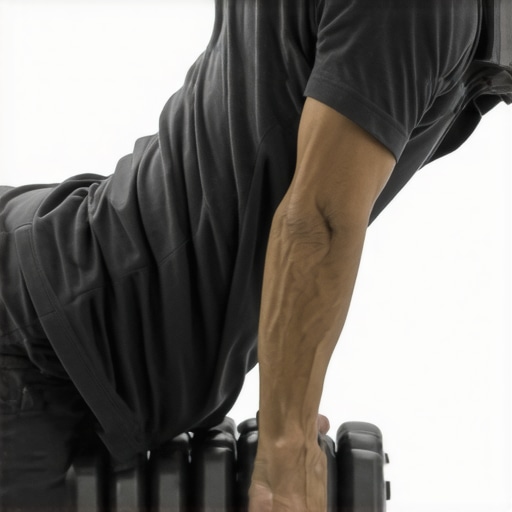
Image prompt: Close-up of a person using a foam roller on their lower back, with a focus on muscle relief and posture correction.
One of the most eye-opening lessons I encountered was realizing that pushing through back pain without proper guidance often leads to prolonged suffering. The confidence I had in my self-manipulation routines sometimes masked deeper issues, making inflammation worse and recovery slower. It taught me the importance of listening to my body and seeking professional advice rather than relying solely on quick fixes.
Another insight was understanding that sustainable mobility isn’t about aggressive stretches or forceful adjustments but about consistent, gentle movements that respect your body’s limits. Overdoing it can trigger inflammation, so patience and moderation are key. Finally, I discovered that aligning your environment—ergonomics, daily habits, and mindful posture—has an exponential effect on reducing inflammation and supporting long-term back health.
Navigate Beyond My Mistakes: What Really Made a Difference
- Focus on foundational strength: Building core stability didn’t just improve my posture; it made my spine more resilient against daily stressors. Incorporate simple exercises like planks or bridges to reinforce these support muscles.
- Prioritize gentle, consistent movement: Instead of sporadic intense stretches, daily mobility routines, such as pelvic tilts or thoracic rotations, keep inflammation at bay and enhance flexibility.
- Leverage ergonomic habits: Small adjustments to my workspace—like supporting my lumbar and avoiding slouching—made a noticeable difference over weeks.
- Seek expert guidance when in doubt: Consulting with professionals who understand the nuances of back health saved me from further injury and helped develop a personalized plan.
- Stay informed with trusted resources: Resources like Master Your Mobility provided insights that transformed my approach from reactive to proactive.
Empower Yourself to Move Freely Again
Remember, your journey to better back health isn’t just about avoiding pain—it’s about reclaiming your mobility with confidence and care. Small, consistent actions rooted in understanding and patience can transform your daily life. Don’t hesitate to explore tools, habits, and expert guidance tailored to your needs, so you can move with ease and enjoy every moment free of inflammation. Ready to take that first gentle step toward lasting relief? Your future self will thank you.
What’s the one adjustment or habit you’re planning to implement today to support your back health? Share your thoughts below—I’d love to hear your plans!
,