
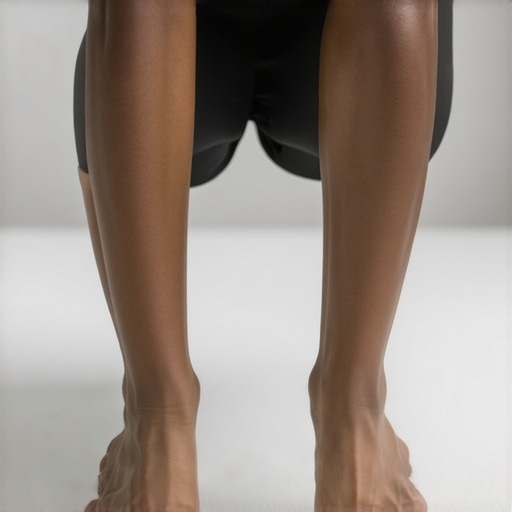
It hit me one morning as I was hobbling out of bed, groaning like an old-boat engine. My knees felt stiff, and that dull ache in my lower back was resurgent despite months of stretching and strengthening routines. I realized I had been missing a crucial piece of the puzzle—something as simple as ankle mobility. Little did I know, fixing my ankles would transform my entire posture and put an end to years of pain.
How a Tiny Move Changed Everything for My Back and Knees
Just a few months ago, I was trapped in a frustrating cycle. Pain would flare up after long periods of sitting, and I’d compensate by shifting my hips or arching my back—which only worsened my discomfort. It felt like I was fighting a losing battle against my own body. But then I discovered that my ankle mobility was severely limited. Improving it unlocked a chain reaction, easing pressure through my knees and back.
When your ankles can move freely, your entire body benefits. Proper ankle dorsiflexion— the ability to lift your toes upward— is fundamental for a smooth gait and healthy posture. According to a study published in the Journal of Orthopaedic & Sports Physical Therapy, restricted ankle mobility can lead to compensations that cause knee and back pain (Ebenbichler et al., 2001). Recognizing and addressing this specific issue was my lightbulb moment.
Have you ever felt like your pain comes out of nowhere, only to realize your ankle isn’t quite doing its job? If you’re nodding along, you’re not alone. Many people overlook their ankles, assuming they’re just for walking, but they’re actually the foundation of how we move safely and efficiently.
Understanding this connection shifted my entire approach. Instead of piling on more stretches or strengthening exercises that didn’t target the root cause, I focused on *mobilizing my ankles*. That alone was enough to reduce the strain on my knees and lower back.
So, what’s next? In the following sections, I’ll share practical strategies that helped me regain ankle mobility—and, in turn, banished my knee and back aches for good. Trust me, it’s simpler than you think—and you might just find your pain easing faster than you anticipated.
Start With Ankle Mobilization Exercises
My first breakthrough happened during a hectic morning. I decided to dedicate five minutes to ankle mobility drills I found on a trusted resource. I sat on the floor, placed a resistance band around my foot, and gently moved my ankle in circular motions. At first, my ankle felt stiff, and I nearly abandoned the exercise midway. However, sticking to it, I noticed improvements after just a few days, with less stiffness and better gait. Consistency is key—perform these exercises daily to gradually restore ankle dorsiflexion, which directly impacts your posture.
Implement Specific Mobility Drills Daily
Suppose your goal is to increase ankle flexion. In that case, simple dynamic stretches like heel raises and toe pulls can be effective. For example, stand near a wall, place your hands on the wall for balance, and raise your heels off the ground, then lower them slowly. This creates a controlled stretch in your calves and ankles. I incorporated these into my morning routine, and within a week, I experienced less compensatory movement from my knees and lower back, leading to decreased pain. Remember, gradually increase repetitions to avoid overstretching.
Adjust Your Foot Position During Daily Activities
One overlooked hack was modifying how I stood and sat. Using proper footwear and consciously shifting weight evenly across my feet during standing or walking prevented excessive strain. For instance, during a workday, I made it a habit to alternate weight between heels and toes—this simple act kept my ankle joints active. These micro-adjustments helped retrain my body’s movement patterns, reducing the tendency to compensate with incorrect postures that exacerbate pain.
Incorporate Gentle Walking and Balance Practice
Engaging in short, mindful walks focusing on proper heel-to-toe movement cultivated healthy gait patterns. I once walked through the park, paying attention to how my ankles moved naturally with each step. I also added balance exercises like standing on one leg, holding onto a chair if needed, to challenge ankle stability. Over time, these activities improved my proprioception and reinforced correct movement mechanics, easing knee and back discomfort.
Leverage Bedtime and Relaxation Techniques
After daily mobility work, I found adding soft stretching and deep breathing helped my muscles relax, preventing residual tension from causing stiff joints. Techniques such as diaphragmatic breathing or gentle ankle rolls before sleep contributed to better circulation and joint health. These habits supported my mobility improvements, especially during rest periods when muscles tend to tighten.
Seek Expert Guidance When Necessary
If, despite your efforts, pain persists, consulting a professional can make a difference. They can identify hidden restrictions or structural issues and recommend personalized methods. For example, I reached out through contacting a specialist who demonstrated specific manual techniques to release tight tissues and restore alignment. Remember, personalized assessment ensures your efforts target the underlying causes effectively.
Many believe that back pain mainly results from obvious causes like heavy lifting or poor ergonomics, but the reality is often more nuanced. One common myth is that stretching alone will resolve persistent discomfort, yet over-reliance on stretches without understanding the underlying mobility issues can lead to setbacks. In fact, certain stretches, when performed improperly or excessively, may reinforce faulty movement patterns, worsening the pain instead of easing it. For instance, repeatedly stretching hamstrings without addressing hip mobility can tighten surrounding tissues, creating a cycle that perpetuates discomfort. To avoid these pitfalls, focusing on targeted mobility improvements and specific adjustments is crucial, a strategy supported by experts like Dr. Stuart McGill, who emphasizes the importance of movement quality over mere flexibility (source).
Understanding that posture isn’t just about holding yourself straight is essential. Many assume that maintaining an upright back at all times is ideal, but this can lead to stiffness if your body isn’t naturally aligned to such positions. Overcorrecting posture through excessive tucking or flattening the lower back can actually introduce new tensions. Instead, promoting natural, dynamic postures with the right mobility patterns prevents the mindless stiffening of muscles and joints. This is why integrating simple, intentional adjustments—like proper seated positions or mindful standing—can have a profound impact on long-term health (more details).
An advanced mistake many overlook involves trying to ‘fix’ their back by strengthening muscles in isolation. While strengthening exercises are valuable, neglecting mobility can trap you in a cycle of stiffness and pain. For example, focusing solely on core stability without addressing hip or thoracic mobility might improve superficial support but leave underlying movement restrictions unchallenged. This approach can lead to compensatory patterns that strain the spine and surrounding tissues. The key is a balanced focus—combining strength with mobility work, such as dedicated neural-driven movement drills. For a comprehensive strategy, consider reading about expert mobility techniques (here).
### Are Posture Corrections Doing More Harm Than Good?
A common question among advanced learners is whether posture corrections are always beneficial or if they can sometimes worsen pain. The answer lies in context. For some individuals, forcing a particular posture may increase tension or restrict natural movement, especially if their body is adapted to a different alignment. Research suggests that variability and movement diversity are healthier than rigid postural stances (source). The goal should be to promote adaptable mobility rather than static perfection. Regularly practicing mindful movement patterns and gentle adjustments can reduce pain and improve function over time. If you’re unsure whether your current approach is helping or hindering your progress, reaching out to a professional for personalized assessment can make all the difference. You can contact an expert to discuss tailored strategies (here). Keep questioning assumptions—your body will thank you. Let me know in the comments—have you ever fallen into this trap?Maintaining your back health and mobility requires more than just temporary fixes; it calls for targeted tools and consistent routines. One of my go-to assets is a high-quality foam roller. I personally use the TriggerPoint GRID Foam Roller because its multi-density surface effectively releases fascia tension in key areas like the hips, thoracic spine, and legs, which directly influence posture and back pain. Incorporating daily rolling sessions helps prevent stiffness and supports sustained mobility, making maintenance manageable over time. Additionally, resistance bands like the Rogue Monster Bands facilitate precise strength and mobility work. I favor the loop bands because their versatility allows for dynamic stretches and strength exercises targeting the ankles, hips, and shoulders—key areas to reinforce proper alignment and reduce pain.
For tracking progress and staying consistent, I rely on apps such as UpNext or MyFitnessPal to schedule mobility routines and monitor improvements. These digital tools motivate me to stick with my daily practices and identify areas needing extra focus. Moreover, supplementing physical tools with educational resources is essential. I regularly study expert content like [Master Your Mobility Strategies](https://chiromasteryz.com/master-your-mobility-top-strategies-for-moving-without-pain) to refine my technique and understand emerging trends. In particular, recent insights into neural-driven movement patterns highlight how combining mobility drills with smart technology can further optimize long-term results.
Prediction suggests that in the near future, wearable devices equipped with sensors will provide real-time feedback on movement quality, further personalizing mobility routines. Integrating such technology could significantly enhance maintenance strategies, making a proactive approach more accessible and effective.
How do I maintain back health and mobility over time? A key method is scheduling regular mobility reviews with a professional—ideally a chiropractor or physical therapist—who can assess and recommend personalized adjustments. I recommend reaching out to a specialist periodically to ensure your routines stay aligned with your evolving body needs and to catch any subtle restrictions before they manifest as pain. You can contact a professional for tailored guidance on maintaining your progress and avoiding setbacks, ensuring your efforts translate into lasting benefits. For example, I often consult such experts through [this contact page](https://chiromasteryz.com/contact-us) to fine-tune my routines.
Ultimately, integrating targeted tools like foam rollers and resistance bands, supported by ongoing education and professional input, builds a resilient foundation for lifelong back health. Make sure to incorporate advanced tips like neural feedback techniques into your routine to stay ahead of potential issues and optimize your mobility. Ready to elevate your maintenance game? Try adding a neural-driven movement drill from [this resource](https://chiromasteryz.com/master-your-mobility-top-strategies-for-moving-without-pain) to your daily routine today, and experience the difference it can make.Throughout my journey to conquer chronic back pain and improve mobility, I learned some unexpected truths that reshaped my entire approach. One of the most profound lessons was realizing that compensatory habits often run deeper than simple muscle tightness—they’re embedded in how we subtly move and support our bodies daily. For instance, I discovered that my habitual foot placement and standing postures silently reinforced my pain cycles, making me overlook the power of small, intentional adjustments. This insight taught me the importance of tuning into these micro-movements and actively reshaping them, rather than solely relying on broad stretches or strengthening routines. Moreover, I found that patience and consistency trump quick fixes; mobility isn’t restored overnight, but through persistent, mindful practice. Finally, I learned that seeking expert guidance, like personalized assessments from experienced practitioners, can reveal hidden restrictions and accelerate progress—something I highly recommend if you find yourself stuck in a cycle of frustration. These lessons have become cornerstone principles in my ongoing relationship with body health, and I encourage you to explore them in your own journey to a pain-free, mobile life.