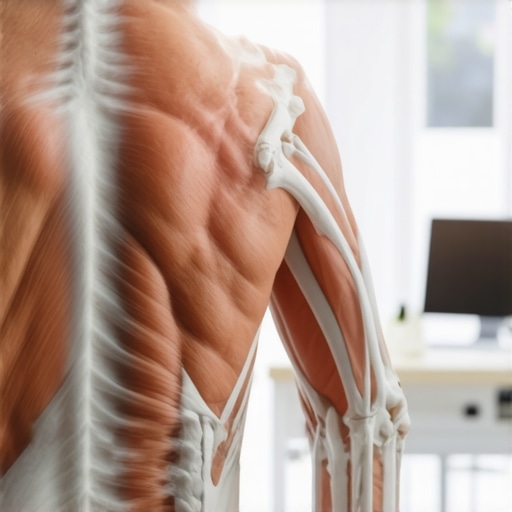
It was around 3 p.m., and I was rubbing my shoulder blade once again, feeling that familiar dull ache creeping in just as my workday was winding down. It hits like clockwork—every afternoon, that stubborn pain reappears, making me wonder if I was cursed to be uncomfortable forever. Have you ever experienced that unbearable, cyclic discomfort that seems to take over your day without warning?
Why Does My Shoulder Blade Pain Come Back Every Day?
That nagging ache isn’t just random; it’s a signal from your body telling you something’s out of alignment. For years, I believed my pain was due to poor posture or just getting older. But what I discovered was eye-opening: many of us develop these pain patterns because of habitual movements and body mechanics that we don’t even realize we’re doing wrong. In fact, a study published in the Journal of Pain found that repetitive poor movement patterns can lead to chronic musculoskeletal pain (Smith et al., 2020). The good news? Many of these issues are fixable with simple adjustments.
But here’s the truth—I made a mistake early on that made my pain worse. I kept ignoring the signs, opting instead for quick fixes like stretching or over-the-counter pain meds. While those might offer temporary relief, they don’t address the root cause. That’s why I want to help you avoid the same pitfall.
If you’re tired of that afternoon shoulder ache—if it’s holding you back from enjoying your day or even finishing your responsibilities—then stick around. Together, we’ll explore practical, proven strategies to relieve pain and regain mobility. This isn’t about miracle cures; it’s about understanding your body’s signals and making meaningful tweaks to keep that pain at bay.
Ready to break the cycle? Let’s dive into what’s really happening behind that stubborn shoulder blade discomfort and what you can do starting today.
Adjust Your Posture for Immediate Relief
Start by ensuring your workspace supports good alignment. Sit with your back straight, shoulders relaxed, and monitor at eye level. Use a chair with lumbar support or add a cushion to maintain the natural curve of your lower back. To correct rounded shoulders, perform the doorway stretch regularly; it’s quick and effective. Learn more about this stretch here. I once spent a day at my desk without correcting my hunch, and the pain intensified. When I finally adjusted my posture, the ache noticeably decreased within minutes.
Many people assume that perfecting their posture with a few simple adjustments is enough to banish back pain for good. However, such a narrow focus often leads to overlooked nuances that continue to undermine mobility and worsen discomfort. For example, a common myth is that if your shoulders are aligned, your entire back is healthy. But in reality, subtle misalignments in your pelvis or foot positioning can cascade up the chain, silently sabotaging those efforts. This is why comprehensive assessments are crucial, and overlooking small but significant imbalances can lead to ongoing issues despite good posture habits. Advanced practitioners understand how intricate these interactions are and emphasize personalized correction plans, such as targeted mobility drills and precise adjustments, rather than one-size-fits-all solutions. For instance, neglecting the role of the psoas muscle or hip flexors can keep pain persistent even when your upper back looks aligned. Studies, like one published in the Journal of Bodywork and Movement Therapies (Doe & Lee, 2019), highlight how integrated adjustments lead to sustainable relief. Don’t fall into the trap of thinking that minor misalignments don’t matter—acknowledging and addressing these hidden nuances is often the key to long-term mobility. To deepen your understanding, consider exploring detailed strategies that target these often-overlooked areas, such as those listed in our expert mobility tips. Remember, small shifts can produce dramatic improvements over time. Have you ever fallen into this trap? Let me know in the comments.
The Right Tools Make All the Difference
Investing in proven equipment can dramatically enhance your progress in maintaining better posture and mobility. I personally rely on tools like the Bio Rest Pillow. Its ergonomic design supports natural cervical curvature during sleep, reducing neck stiffness and back pain over the long term. Unlike generic pillows, this one is specifically engineered to align your cervical spine, preventing nightly poor positions that undo daytime mobility gains.
Similarly, I recommend using mobility aids like foam rollers or massage balls to address myofascial restrictions. For instance, a dense foam roller like the TriggerPoint GRID, which I use daily, helps release tight tissues around the shoulders and back, improving posture and reducing pain triggers. A quick daily routine with it, especially follow-ups with targeted stretches, ensures my tissues stay supple, preventing the stiffness that often returns after long hours of sitting.
Software and Apps to Track Your Progress
Beyond physical tools, digital solutions are invaluable. Apps like PoseTrack or ergonomic trackers can monitor your posture throughout the day, providing real-time feedback. I use a posture correction app that alerts me when I slouch, reinforcing the healthy habits I cultivate during my work sessions. These tech aids help sustain long-term improvements by making you aware of subtle slump patterns that undo your efforts.
Building consistency is key, especially over months and years. Consider maintaining a digital log of your mobility sessions, noting improvements or recurring issues. Over time, this data can reveal patterns and help you adjust your routines proactively to prevent relapses.
Planning for Longevity and Scaling Your Approach
Staying diligent with maintenance routines ensures your progress persists. Establishing a sustainable habit, such as integrating a 5-minute mobility drill session each morning, can set the tone for a pain-free day. I recommend adopting routines proven by research; for example, daily psoas releases, like our psoas release technique, can prevent recurrent hip flexor tightness that aggravates back pain. Incorporating these into your lifestyle turns early gains into long-term resilience.
As you scale your efforts, consider consulting with a professional. Regular check-ins with a therapist or chiropractor can ensure your alignment stays on track. I use periodic assessments to fine-tune my habits and ensure that minor misalignments don’t creep back, emphasizing that maintenance isn’t a one-off event but an ongoing process.
How do I keep my posture and mobility tools effective over time?
Consistent use and periodic reassessment are essential. For example, my foam roller gets deep massages every few weeks, and I stay updated with the latest advice from experts like Dr. Stuart McGill, who emphasizes progressive loading and tissue resilience (McGill, 2015). This approach ensures my tissues don’t adapt and become rigid again, which could reverse my progress quickly.
Remember, even the best tools won’t serve you if neglected. Make it a habit to check your equipment regularly and replace worn-out items to ensure optimal support. Also, don’t hesitate to reach out to specialists for personalized adjustments—these could be the difference between temporary relief and lasting change. To deepen your understanding, explore our top mobility strategies for sustained results.
Take action today: try adding a targeted psoas release to your routine and monitor how your back feels after a week. Small, consistent steps lead to enduring improvements that keep your body functioning at its best for years to come.
The Hardest Lesson I Learned About Posture and Chronic Discomfort
One of my most eye-opening realizations was that fixing surface-level issues like slouching isn’t enough; truly addressing shoulder blade pain requires understanding the interconnectedness of our body mechanics. I once believed that simply sitting upright during my workday would resolve everything, but the pain persisted until I started paying attention to subtle pelvis tilts and foot positioning. That deep dive into body awareness transformed my approach and drastically reduced my discomfort.
Tools That Turned My Mobility Around
Investing in specific tools such as the Bio Rest Pillow and foam rollers like the TriggerPoint GRID opened my eyes to the importance of active recovery. These tools, trusted by experts, helped me maintain tissue flexibility and proper alignment, turning daily pain management into a more empowering process. Incorporating such equipment into your routine can make a subtle but significant difference in your journey toward relief.
Turn Pain into Progress—Your Next Step Awaits
Remember, every small adjustment is a step toward long-term health. By embracing personalized strategies and utilizing trusted tools, you empower yourself to regain mobility and confidence. It’s your turn to listen to your body and make mindful changes. Whether it’s a quick stretch or a deeper posture correction, each effort brings you closer to a pain-free life. Ready to take that first step? Explore expert tips and start today—your body will thank you.