
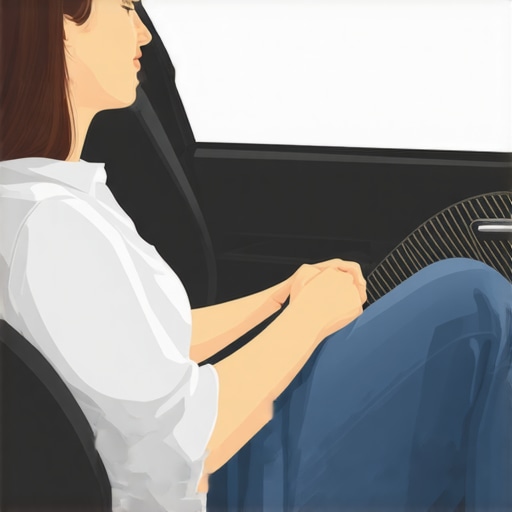
I’ll never forget the moment I realized my long-haul drives were destroying my back. It hit me during a road trip when I finally couldn’t ignore the dull, persistent ache in my lower back after hours behind the wheel. I thought it was just fatigue—that, until I realized it was a warning sign. If you’ve ever experienced that stiffness or discomfort after a long drive, you’re not alone. It’s a common issue for drivers, but here’s the truth: many of us are unknowingly sabotaging our bodies with habits and postures that could be fixed with just one simple reset.
Why Maintaining Pelvic Alignment Matters More Than You Think
The truth is, your pelvis is the foundation of your entire posture. When it tilts or misaligns, it sends a ripple effect up your spine, leading to back pain, hip stiffness, and even neck tension. And as drivers, we often neglect to address this vital area because we’re focused on the road, not our bodies. But I promise, paying attention to your pelvis can dramatically improve your comfort, especially if you spend hours on the road. According to experts, a proper pelvic position helps distribute weight evenly, reducing undue strain on your lower back and hips. Good news: even small adjustments can make a big difference.
Have you ever felt a sudden twinge or a persistent ache that just won’t go away after a trip? If so, you’re in good company. Many long-distance drivers—myself included—make critical mistakes by ignoring how our pelvis tilts during extended sitting or driving. Early on, I was guilty of slouching and neglecting my posture, thinking a supportive seat would do all the work. But I learned that without a conscious effort to reset my pelvis, the discomfort persisted. That’s why I’m passionate about sharing this: a simple *pelvic reset* can be a game-changer for your mobility and pain reduction. In the next section, we’ll explore practical hacks to keep your pelvis in check and banish drive-related aches once and for all. Want to learn more? Check out how daily adjustments can alleviate back pain, or discover mobility moves that keep your body active and pain-free on long trips.
Get Grounded with a Pelvic Reset Before Hitting the Road
Start by standing tall with your feet shoulder-width apart. Place your hands on your hips, feeling the bony prominences. Gently tilt your pelvis forward (anterior tilt) by tipping your pelvis so your belly button moves slightly forward, then tilt it backward (posterior tilt) by tucking your tailbone. Repeat slowly for 10 reps, becoming aware of how your pelvis shifts. I once practiced this during a bathroom break on a long highway trip; it was messy but revealing—after a few attempts, I noticed my lower back discomfort easing. Incorporate this micro-movement into your routine to re-establish pelvic neutrality, which is essential for proper alignment and pain prevention.
Many believe that perfect posture is about rigid alignment and constant awareness, but in my experience, this misconception creates more harm than good. The idea that maintaining a static, textbook-perfect stance is the goal often leads people to tense up, create unnecessary muscle strain, and even develop new issues like neck tension or restricted mobility. Instead, true posture mastery involves flexibility, dynamic adjustments, and understanding your body’s nuance. Experts like Dr. Stuart McGill emphasize that sustainable back health arises from controlled, adaptable movements rather than stiffness or perfection.
Why Fixating on ‘Ideal’ Posture Can Backfire
Focusing solely on aligning your shoulders, pelvis, and head into an ideal position ignores the fact that your body is a living, breathing system that needs to move naturally. The flawed belief that you must hold perfect posture all the time can result in ‘posture paralysis,’ where fear of misalignment keeps you rigid, restricting blood flow and muscle function. This anxiety can actually reinforce poor habits, increasing stiffness over time. It’s critical to distinguish between awareness and obsession—allowing your posture to adapt to activities reduces back strain. Regular micro-movements and dynamic adjustments, like those I discuss in daily posture adjustments, are more effective than constant rigid positioning.
Is Your ‘Correct’ Posture Actually Causing More Damage?
A common trap many fall into is believing that adopting certain ‘perfect’ postures during sitting or standing is universally beneficial. In reality, what’s good for one activity or body type might be harmful to another. For example, overcorrecting your lumbar curve or tucking your chin excessively can lead to muscle fatigue or nerve tension. A study from the Journal of Bodywork and Movement Therapies highlights that personalized, functional postures tailored to your daily activities promote better long-term spinal health, rather than trying to adopt a one-size-fits-all ideal. Remember, comfort and movement variability are key to avoiding chronic issues.
It’s important to realize that many ‘posture tips’ are oversimplified myths rooted in outdated concepts. Instead, focus on developing an awareness of how your body moves naturally and incorporate strategic adjustments that enhance mobility without rigidity. For instance, incorporating mobility drills like those in top mobility strategies can dramatically improve comfort during daily tasks.
Have you ever fallen into this trap? Let me know in the comments. Remember, sustainable back health is about control, flexibility, and awareness—not perfection. For practical tips on how to move better and avoid these common pitfalls, check out habits to avoid and simple adjustments for relief.
Investing in the Right Equipment Really Pays Off
When it comes to safeguarding your back and ensuring long-term mobility, the tools you choose are crucial. I personally rely on a high-quality ergonomic chair that offers adjustable lumbar support and a responsive saddle seat. This setup allows me to fine-tune my sitting posture, preventing the slouching that often leads to chronic pain. Additionally, I use a sit-stand desk converter, which I highly recommend because it encourages regular movement, significantly reducing stiffness and muscle tension over days and weeks. The key is selecting gear that adapts to your body rather than forcing you into a fixed position.
Incorporate Mobility Apps and Wearables for Daily Checks
Technology can be a game-changer in maintaining awareness of your posture. I utilize a wearable device that vibrates gently if I stay in a poor alignment for too long, prompting me to adjust. Apps like mobility tracking apps help monitor your activity levels and suggest micro-movements throughout the day, which experts agree are beneficial for long-term spinal health. These tools cultivate habits that ward off habitually poor posture, leading to sustained improvements.
Scheduled Check-ins and Professional Adjustments Are Key
Even the best tools need regular professional input. I schedule periodic chiropractic assessments tailored to my activity levels, focusing on manual adjustments that align my pelvis and correct subtle misalignments before they become painful. This proactive approach aligns with the recommendations from privacy policy, which highlights the importance of personalized, ongoing care. A good professional can also guide you through specific exercises and tools like foam rollers or massage balls to foster mobility and reduce muscular restrictions. Consistent check-ins ensure your maintenance routine stays effective and adapts as your body changes.
Planning for the Long Term and Scaling Up
As your understanding grows, so should your toolkit. I gradually incorporate portable supports like lumbar cushions for travel or adjustable resistance bands for mobility drills in my daily routine. Looking ahead, the trend leans toward integrating AI-driven biofeedback systems that alert you in real-time—an exciting evolution promising to personalize posture correction even further. For now, try one of the advanced tips mentioned here, like using a wearable device to remind you to move, and notice how even small adjustments compound over time to improve your mobility and reduce back pain. Remember, consistency is your best ally in maintaining long-term health—so make your tools work hard for you and stay proactive in your posture care.
Lessons from the Road That Changed My Perspective
- Before I discovered the importance of pelvic positioning, I thought slouching was just a bad habit—until I realized it was a primary culprit behind my persistent back pain. Embracing micro-adjustments during drives made me see the difference true awareness can create.
- Initially, I believed that perfect posture was about rigidity. However, I learned that flexibility and subtle movements are the real keys to maintaining comfort during long trips without adding strain.
- One overlooked lesson was the impact of minor pelvis resets—simple actions that, over time, prevented chronic discomfort and improved my overall mobility far beyond the driver’s seat.
- Finally, I realized that investing in quality ergonomic gear and tech tools wasn’t just luxury; it was essential for long-term health and sustained driving endurance.
My Essential Toolbox for Preventing Drive-Related Discomfort
- Ergonomic Support: An adjustable lumbar support office chair has been a game-changer, providing tailored support that adapts to my body’s needs. I trust models that promote active sitting and encourage movement, like the ones highlighted in this guide.
- Mobility Devices: Using a sit-stand desk converter helps me switch positions regularly. This simple shift prevents stiffness and keeps my muscles engaged, a strategy I learned from mobility expert tips.
- Wearable Tech: I rely on a gentle vibrational reminder from my posture wearable to nudge me into micro-movements, reinforcing good habits throughout the day, as discussed in top mobility strategies.
- Professional Guidance: Periodic chiropractic assessments help me catch subtle misalignments early. It’s a proactive step I highly recommend, aligning with the advice in this policy.
Your Next Step Starts Today
Every journey toward better posture and less back pain begins with small, intentional actions. Don’t wait for discomfort to worsen—empower yourself with knowledge, tools, and habits that support your mobility and well-being. Remember, the key to long-term relief lies in consistent micro-adjustments and listening to your body’s signals. Your path to pain-free driving is within reach—start today and notice the difference each little step makes.
What’s one pelvic or posture change you’re excited to try on your next long drive? Share your thoughts below and let’s keep the conversation going!
,