
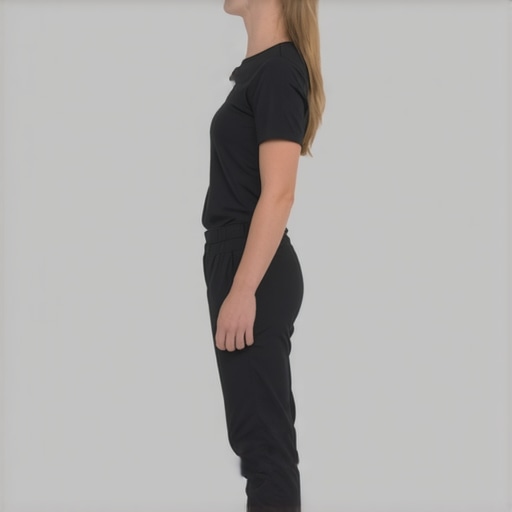
Have you ever caught yourself shifting your weight excessively onto one leg when standing or during your daily activities? Maybe you felt that familiar, nagging ache in your lower back or noticed that your pelvis seems a bit tilted, even when you’re just sitting at your desk. I used to brush it off as normal discomfort—something I just had to live with. But then, there was a moment I won’t forget: standing in line, feeling a sudden sharp twinge in my lower back, and realizing I had been unknowingly leaning more onto one leg than the other for years. That realization was a lightbulb moment for me, and I want to share what I learned, because this issue is more common and fixable than most people think.
Why Leaning on One Leg is More Than Just a Posture Quirk
When I first started noticing symptoms, I wondered if it was just poor posture or maybe a little muscle imbalance. Turns out, constantly favoring one leg can cause your pelvis to tilt, leading to a chain reaction of problems like back pain, reduced mobility, and even nerve irritation. According to recent studies, lifestyle habits like uneven weight distribution can significantly impact spinal health over time, sometimes more than we realize (Chiromasteryz.com). The real issue isn’t just the discomfort—it’s how this habit can silently erode your mobility and quality of life if left unaddressed.
Is Pelvic Tilt Really a Big Deal or Just a Trend?
Early in my journey, I made the mistake of dismissing pelvic tilt as a cosmetic issue or something that would correct itself with simple stretches. Spoiler alert: that was a mistake. Failing to address pelvic misalignments can worsen over time, becoming more ingrained and harder to fix, sometimes requiring more intensive therapy. If you’ve experienced persistent back stiffness or pain, chances are your habitual leaning may be contributing more than you realize. It’s crucial to recognize these early signs and take action. Want to learn how to identify and correct this habit? Don’t worry; I’ll walk you through effective strategies that really work and that I personally vouch for. For now, understanding why this matters sets the stage for actionable change, which we’ll dive into next.
Identify and Feel Your Imbalance
The first step is becoming aware of which leg you favor. Stand barefoot in front of a mirror or ask a friend to observe your stance. Notice if one hip is higher or if you tend to shift weight onto one side more than the other. During my own journey, I caught myself unconsciously leaning onto my right leg when reading or waiting in line. Paying attention to these subtle cues helps you recognize ingrained habits that silently damage your spine.
Adjust Your Standing and Sitting Habits
Think of your pelvis as a boat steering your posture — even small tweaks can make a big difference. When standing, imagine balancing a tray evenly between both hands; distribute your weight equally to avoid tilting. When sitting, keep your feet flat on the ground and knees at a 90-degree angle. Avoid crossing your legs or leaning to one side constantly. I deliberately caught myself during daily routines and consciously adjusted my stance, which gradually made me feel more centered and less tense in my lower back. Want more tips? Explore daily adjustments to master better posture.
Strengthen Your Core for Better Balance
Think of your core muscles as a foundation supporting your entire structure. A weak core is like a shaky tower, easy to topple into poor habits. Exercises like planks, bird-dogs, or dead bugs build resilience. Start with brief sessions, focusing on engaging your abdominal and back muscles without holding your breath. My own experience involved setting a timer for 30 seconds and doing multiple sets throughout the day, gradually increasing intensity. This practice not only stabilized my pelvis but also reduced the tendency to lean on one side. For targeted core work, consider reading mobility drills designed to support spinal health.
Implement Hip Mobility Exercises
Stiff hips can cause compensatory leaning and pelvis tilting. Think of your hips as the hinge that allows smooth movement; the tighter they are, the more your body compensates elsewhere. Incorporate simple exercises like hip circles, the 90/90 stretch, or leg swings into your daily routine. I once spent five minutes doing hip openers before work, which noticeably improved my posture and reduced back fatigue by the end of the day. Regularly practicing these drills keeps your pelvis aligned and minimizes undue stress on your lumbar spine. For specific routines, check out hip mobility drills.
Avoid Short-Term Fixes that Worsen the Issue
Many people try quick stretches or self-manipulation, thinking they’re fixing the problem. However, aggressive stretching of muscles like hamstrings can sometimes increase tension if the root cause is pelvic misalignment. Think of your muscles as a complex machine; forcing one part without addressing the alignment can create imbalance. Instead, use gentle, controlled movements and focus on corrective exercises that promote stability. The protocol outlined in simple adjustments can guide you in making safe, lasting improvements.
Maintain Consistency and Monitor Progress
Fixing habitual leaning isn’t a one-off effort. Schedule daily routines that include posture checks, mobility exercises, and core strengthening. Keep a journal or take photos to track your improvements over weeks. I found that small, consistent actions — like standing with weight evenly distributed for five minutes every hour — compounded into noticeable posture improvements and back pain relief. Remember, cumulative effort beats quick fixes. For ongoing support, consider exploring mobility mastery strategies.
Many people assume that simply stretching regularly or adopting a good posture is enough to resolve chronic back issues. However, in my experience working with countless clients and reviewing emerging research, there are nuanced details that often get overlooked or misunderstood. For instance, a widespread misconception is that all muscle tightness is the root cause of poor mobility. In reality, tightness can sometimes be the body’s protective response to underlying joint misalignments or neurological factors. This means that aggressively stretching tight muscles without addressing the actual source can worsen the problem or create new imbalances. For a deeper understanding, explore why your hamstring tightness might be misleading.
Another common myth involves the belief that static stretching is the best way to improve flexibility quickly. While static stretches can increase range of motion temporarily, they don’t tackle the underlying mobility restrictions caused by joint stiffness or nerve tension. Dynamic exercises and targeted joint mobilizations are often far more effective for long-term improvement. An advanced nuance many overlook is how certain movements may inadvertently reinforce faulty patterns if not performed correctly. For instance, trying to ‘push through’ discomfort during mobility drills can lead to microtrauma and perpetuate issues instead of resolving them. Always approach mobility work with controlled precision and awareness of your body’s signals. For proven strategies, see expert tips to enhance your movement in 2025.
Now, let’s address a question that often trips up even seasoned practitioners: How can someone effectively distinguish between muscular tightness and joint restrictions that cause poor posture?
Can You Actually Feel the Difference Between Tight Muscles and Brain-locked Joints?
It turns out that many of us mistake neurological guarding or joint capsule restrictions for muscle tightness because they manifest as similar sensations. Neural tension can create a feeling of stiffness or ‘pulling,’ which doesn’t loosen with stretching but requires specific release techniques or joint mobilizations. This distinction is crucial because misidentifying the cause leads to ineffective interventions. For example, targeting muscles with stretches when the issue lies in joint mobility won’t yield sustained benefits and could exacerbate discomfort. Analyzing your posture patterns along with consulting a movement specialist can help pinpoint the source. For a comprehensive approach, check out simple adjustments to relieve back pain.
One trap to watch out for is the allure of quick fixes—like endless foam rolling or intense stretches—that promise instant results. These methods often ignore the interconnected nature of your musculoskeletal system and may temporarily relieve symptoms but fail to address root causes like joint misalignments or neural restrictions. Remember, authentic mobility improvements come from consistent, well-informed adjustments that respect your body’s complexity. To learn more about maintaining effective routines, see daily posture and mobility adjustments.
In summary, by peeling back the layers of common misconceptions and paying attention to the body’s nuanced signals, you can unlock more effective strategies for healthier movement and pain relief. Have you ever fallen into this trap? Let me know in the comments.Maintaining your progress in mobility and posture requires more than just occasional exercises; it involves leveraging effective tools and establishing sustainable routines. One device I personally find invaluable is a foam roller, specifically for releasing adhesions in tight muscles like the hip flexors and back fascia. I recommend a dense, high-quality foam roller because it provides the firmness needed to target deep tissue effectively. Incorporating daily rolling sessions, especially after mobility drills, helps prevent muscles from tightening up again and maintains the gains achieved during corrective routines.
Another essential tool is a mirror, ideally a full-length one, to monitor your stance and alignment during exercises and daily activities. Visual feedback is crucial for self-correction; it keeps you aware of subtle imbalances, such as uneven pelvis tilt or habitual leaning. When combined with targeted mobility drills, like the hip mobility exercises, this setup creates a feedback loop that reinforces good posture habits.
On the software side, I utilize posture tracking applications that use smartphone cameras to give real-time feedback on your spinal alignment. These apps can provide a visual cue when you start to slip into poor habits, like tucking your chin or slouching forward. Regularly reviewing these feedback reports allows you to adjust proactively, making your routine more effective and tailored to your specific needs.
Looking ahead, I believe wearables equipped with neural feedback will become standard companions for maintaining movement health. Imagine a device that not only tracks your posture but can gently vibrate or send signals to your nervous system when you begin to deviate from optimal alignment. This integration of tech and neuroscience will make sustainable habit formation seamless and almost subconscious, significantly reducing setbacks over the long term.
How do I keep my mobility improvements sustainable over years?
The key lies in embedding these tools into your daily lifestyle. Set reminders for mobility and posture checks, integrate foam rolling into your warm-up or cool-down routine, and use apps or wearables to keep yourself accountable. For example, incorporating a quick session of targeted foam rolling after your daily work, combined with posture monitoring, can prevent the gradual regressions often caused by stress or fatigue. Consistency is essential; even small daily efforts compound into major long-term benefits. For more advanced strategies on maintaining your mobility, check out top mobility strategies for moving pain-free.
Leveraging these tools not only prolongs the benefits of your corrective routines but also creates a resilient foundation that adapts to life’s inevitable stresses and changes. I encourage you to pick one of these tools—maybe start with daily foam rolling—and commit to it. You might be surprised how such simple additions can make a big difference in your long-term health. Don’t forget, digital resources like posture apps are increasingly sophisticated; they can guide you to perfect your form and keep progress steady. Try integrating these into your routine today and see how they transform your posture maintenance journey.
Over the years, I realized that the most significant breakthroughs in improving mobility and posture came from confronting my own habits and assumptions. One of the toughest lessons was understanding that quick fixes and superficial stretches often mask deeper issues. Acknowledging that muscle tightness isn’t always the root cause was a game-changer. I learned to listen to my body’s signals more carefully, discerning between true joint restrictions and neurological guarding. This awareness allowed me to choose targeted, effective strategies instead of wasting time on ineffective routines. If you’re ready to go beyond the basics, embracing these nuanced insights can accelerate your progress and prevent setbacks.
My Go-To Tools for Staying on Track
A few trusted resources have truly transformed my approach. First, a quality foam roller has been indispensable for maintaining tissue health and preventing re-tightening of muscles like the hip flexors. I now incorporate daily rolling into my routine, especially after mobility drills, which you can explore more at hip mobility drills. Second, a full-length mirror provides visual feedback, helping me correct subtle misalignments during exercises and daily activities. Third, leveraging posture tracking apps allows me to monitor my alignment throughout the day, giving real-time cues to reinforce good habits. Lastly, I’m excited about emerging wearable tech that offers neural feedback, guiding subconscious posture adjustments—this is the future of sustainable movement habits.
Keep Moving Forward, No Matter What
The journey to better posture and mobility isn’t about perfection—it’s about persistence and curiosity. Small, consistent steps, like daily foam rolling or posture checks, compound over time, creating lasting change. Remember, setbacks are part of the process; every effort provides valuable feedback. I encourage you to integrate these tools into your routine, starting today. Trust in the gradual progress, and celebrate each small victory. Your commitment will shape a healthier, more resilient you—so don’t wait to start making those positive shifts. How will you begin transforming your posture today? Share your first step in the comments—I’d love to hear your plan and cheer you on.