
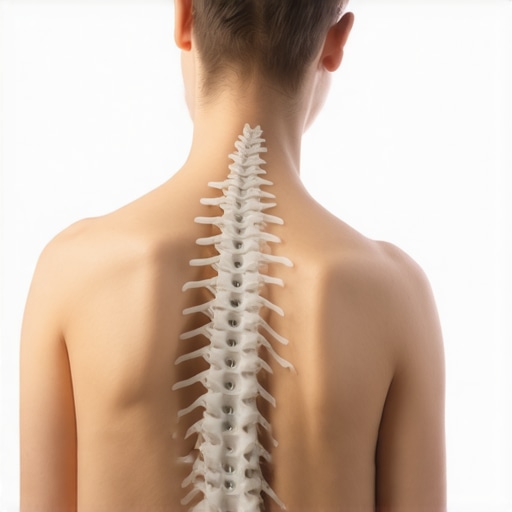
Ever lean back in your chair and feel a sudden jolt or sharp pain between your shoulder blades? Or maybe you’ve noticed one side of your ribcage feels tighter or more drooped than the other, but shrugged it off as muscle fatigue. These little hints can be silent clues, often ignored, that your body isn’t quite aligned the way it should be. I remember dismissing similar sensations for months, thinking they were just part of aging or post-work fatigue, until one day, a sharp pinch stopped me in my tracks. That was my lightbulb moment—realizing that subtle signs can signal a bigger issue, like a rib out of alignment.
Why Recognizing Rib Misalignment Matters Now More Than Ever
Our bodies are incredible at adapting, but they often hide symptoms until discomfort becomes unavoidable. With many of us spending hours hunched over laptops or looking down at screens, posture issues are becoming more common. A misaligned rib can lead to persistent pain, hinder mobility, and even affect breathing. What’s more concerning is that many folks, myself included, are entirely unaware of these misalignments—until they manifest as acute discomfort.
Understanding these early warning signs can save you from long-term issues. Think of your body as a finely-tuned machine; when one part is off, the entire system can suffer. Early detection allows for simple adjustments, such as targeted chiropractic care or mobility drills, which you can learn through resources like this guide on improving posture. Recognizing the signs before they escalate is the secret to preserving your comfort and mobility for years to come.
Is This Common Issue Really Worth the Hype?
Many dismiss rib misalignment as a minor annoyance—something that will resolve on its own or with a quick stretch. I mistakenly did the same early in my journey, thinking I could stretch my way out of it or just ignore the discomfort. But ignoring these signs can lead to chronic pain or more serious injuries. Studies show that proper alignment is crucial for overall health—poor posture can contribute to nerve compression and muscular imbalance (source: National Institutes of Health). So, if you’ve been brushing off those odd sensations, it’s time to pay attention. Recognizing and addressing issues early is one of the smartest moves you can make for your spine and overall well-being.
If you’ve ever felt that nagging tightness or experienced uneven breathing, know that you’re not alone. And more importantly, relief is within reach. Over the next sections, we’ll dive into the three key signs that might indicate your ribs are out of alignment—and what simple steps you can take to correct them. Ready to feel better? Let’s get into it.
Start with Breathing Exercises to Reset Your Rib Position
Just like tuning a guitar string, your ribs need the right tension to stay in proper alignment. Begin by practicing deep diaphragmatic breathing—inhale slowly through your nose, expanding your belly, then exhale fully through your mouth. This act helps release tension in your chest and rib area, encouraging natural realignment. I remember one morning, I sat for five minutes focusing on deep breaths, and I noticed a subtle decrease in tightness by the end. Regular practice keeps your rib cage mobile and promotes better posture.
Incorporate Gentle Self-Adjustments
Using your fingers or a foam roller, gently apply pressure to areas around your rib cage that feel tight or tender. For instance, place your hand on the side where you feel drooping or discomfort. Gently press into the area, mobilize with small circular motions, and breathe steadily. Think of this as loosening a stiff bolt—gradual pressure helps loosen restrictions without strain. A mistake I made was pressing too hard initially, which caused soreness, so start light and increase gradually. These micro-movements can free up stuck tissues, helping your ribs settle back into alignment.
Master the Doorway Stretch for Upper Body Alignment
This classic stretch is a game-changer. Stand in a doorway with your arms bent at 90 degrees, hands on the doorframe. Step forward slowly, keeping your chest open and shoulders relaxed. Hold for 30 seconds, then switch sides. This stretch opens up the chest muscles and encourages the upper ribs to fall back into place. I used to neglect posture and often felt compressed in my upper back; performing this stretch daily dramatically improved my alignment and breathing capacity.
Apply Targeted Mobility Drills to Restore Movement
Engage in specific exercises like the thoracic spine rotation or the cat-cow stretch to mobilize your mid-back and ribs. For instance, get on all fours, inhale to arch your back (cow pose), then exhale to round your spine (cat pose). Focus on smooth, controlled movements. These drills increase the flexibility of surrounding tissues and prevent ribs from getting stuck in poor positions. In my experience, consistent mobility work reduced the frequency of misalignments and pain episodes.
Practice Posture Correction Throughout Your Day
Posture is the foundation for rib health. Sit and stand with shoulders back, chest slightly lifted, and chin tucked. Imagine your head balanced on a string—alignment starts from your neck down. Use reminders or posture apps to stay vigilant. I set a timer every 30 minutes to check my posture, which prevented prolonged slouching that could cause rib misalignment over time. Small awareness efforts make a big difference in maintaining your body’s natural structure.
Use Specialized Equipment for Support and Stabilization
Consider using a posture brace or thoracic roll during prolonged sitting or sleeping. These tools gently support your spine and ribs, encouraging proper positioning as your body adapts. For example, placing a foam roller along your upper back while lying down helps relax overstressed muscles. When I incorporated this habit, I noticed a decrease in morning stiffness and a more balanced rib position during the day. Always ensure equipment is used gently to avoid reliance or muscular weakening.
Stay Consistent with Daily Habits for Long-Term Results
Consistent execution of these steps—breathing, self-mobilization, stretching, posture, and support—creates lasting change. Building a routine ensures your ribs remain in proper alignment and prevents future misalignments. Remember, progress can be gradual; patience and persistence are key. I found that dedicating just 10 minutes daily made a noticeable difference within a few weeks, transforming how my body felt and moved.
Many believe that quick fixes like popping, cracking, or aggressive stretches are the answer to persistent back pain or poor posture, but the truth is far more nuanced. A common misconception is that adjustments or stretches provide immediate relief without addressing underlying habits or misalignments. In fact, relying solely on these superficial remedies often masks deeper issues, leading to recurrent pain and frustration. For example, patients frequently think that cracking their own neck or back is safe, yet research indicates that habitual self-manipulation without professional guidance can worsen inflammation or cause ligament strain (source: this article).
Another widespread myth is that maintaining perfect posture is essential at all times. While good posture plays a vital role, obsessing over it can lead to tension and muscle fatigue. Instead, variability and movement are crucial to prevent stiffening and promote circulation. The idea that static correction solves long-term issues misses the importance of dynamic mobility and functional movement patterns.
Be cautious of the trap of over-reliance on supportive equipment like braces or chairs. Though they can offer temporary relief, excessive use may weaken the surrounding muscles and diminish your body’s natural ability to stabilize itself. A better approach involves active mobility drills and daily adjustments, which you can explore further in this resource.
In the realm of advanced care, many overlook that realignment isn’t a one-time fix but an ongoing process. Unlike the myth that a single visit can resolve chronic misalignment, consistency in movement, posture awareness, and mobility work is key. Properly understanding and adopting these perspectives can set the foundation for lasting relief.
Have you ever fallen into this trap? Let me know in the comments, and remember: awareness is the first step to lasting correction.Maintaining your mobility and posture over time requires more than just occasional stretches; it demands targeted tools and consistent practices. One device I personally swear by is the Thoracic Roll, a foam roller specifically designed to target mid-back mobility. I use it daily to release tension around my ribs and spine, which helps prevent misalignments from setting in. The key is not just owning a tool but knowing how to use it correctly—simple, controlled movements can make a significant difference in long-term health.
Another essential element is digital tracking. Apps like ‘Master Your Mobility’ provide guided routines and track your progress, making it easier to stick to a daily habit. For example, I rely on this app to remind me when to perform specific mobility drills, ensuring consistency. Over the years, I’ve found that integrating these routines into my morning and evening schedules solidifies my body’s resilience against misalignments and pain.
Looking toward the future, I predict that wearable tech will become even more integrated with mobility training. Imagine smart braces that give real-time feedback or sensors that monitor rib cage movement. This would enable instant corrections and personalized programs, making preventive care more accessible and precise.
But how do I maintain progress without feeling overwhelmed? The answer is to focus on quality over quantity. Instead of trying to do everything at once, I recommend integrating one effective tool—like the doorway stretch or deep diaphragmatic breathing—into your daily routine. Consistency is key to long-term success.
If you’re serious about staying upright and pain-free, consider trying the quick rib cage reset. This simple yet powerful technique can instantly alleviate tightness and help your body stay aligned. Regular use of specific mobility devices and routines will help you build a resilient, pain-free body that moves effortlessly through your day.
Reflecting on my experiences, I’ve learned that the most effective corrections often come from embracing small, consistent adjustments rather than seeking quick fixes. One of my biggest lightbulb moments was realizing that persistent rib tightness wasn’t just a muscular issue but a sign of deeper alignment flaws that required mindful attention. Waiting for pain to become unbearable delayed my progress, teaching me that early recognition and proactive habits are essential to maintaining a healthy, pain-free body.
What I Wish I Knew When Starting Out
- Beware of Overconfidence in Quick Fixes: I used to think that cracking my own back or neglecting posture corrections was harmless. Turns out, such habits can exacerbate issues over time. Learning proper mobility drills and understanding your body’s signals makes all the difference.
- Consistency Trumps Intensity: Small daily habits like diaphragmatic breathing and gentle self-mobilizations created more lasting change than sporadic intense stretches or adjustments. Patience is key for sustainable results.
- Body Awareness Is a Skill: Developing mindfulness about posture and tension patterns helped me catch misalignments early, often before they turned into pain. Incorporating reminders and tracking progress made this journey more manageable.
- Tools Can Accelerate Healing: Equipment like foam rollers or posture supports are valuable allies when used correctly. They complement active mobility routines rather than replace them, leading to better long-term health.
- Understanding My Body’s Unique Limits: Every body is different; what worked for others wasn’t always suitable for me. Listening to my sensations and adjusting techniques accordingly kept me safe and effective.
My Go-To Resources for Maintaining Alignment
- This comprehensive guide provided me with tailored adjustments that significantly improved my posture and rib alignment. Its practical steps fostered an internalized understanding of healthy habits.
- Mobility strategies from trusted experts have been instrumental in keeping my body supple and responsive, preventing misalignments from settling in.
- Daily adjustment routines have become my daily non-negotiable, helping me fine-tune my posture and stay aligned amidst busy routines.
- Expert mobility tips offered insights I hadn’t considered, making my movement more natural and pain-free.
Your Next Step: Embrace Change and Keep Moving
Addressing rib misalignment and posture issues is a journey, not a destination. Every small effort you make—whether it’s performing breathing exercises or practicing mindful posture—contributes to a healthier, more resilient body. Remember, consistency and self-awareness are your greatest allies in this process. If I can do it with all the missteps along the way, so can you. Don’t wait for pain to dictate your movement—take control now and enjoy the freedom of a balanced body. Are you ready to start implementing these gentle habits today? Share your experiences or questions below—let’s learn from each other and keep moving forward together.