
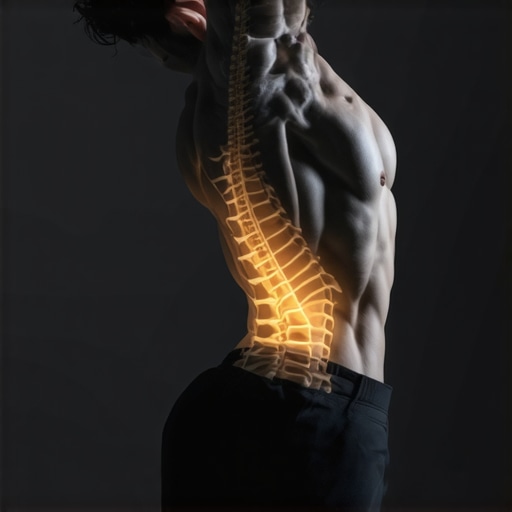
It happened unexpectedly during one of my usual workout sessions. I was deep into my squat, feeling confident, when suddenly I felt a sharp twinge in my mid-back. Pain like that is a real wake-up call—I knew something wasn’t right. That lightbulb moment made me realize how little I actually understood about spinal health during my lifts. I thought I was doing everything right, but beneath the surface, my spine was telling a different story.
Why Understanding Your Spinal Health is Crucial
Many of us push through workout pain or settle for feeling stiff, assuming it’s just part of aging or fatigue. But what if there’s a simple check that could reveal hidden issues like spinal compression? This discovery changed everything for me. It’s not just about lifting heavier or squeezing more reps—your spine’s condition impacts overall mobility, posture, and long-term well-being.
Here’s the thing: a lot of folks, including myself early on, make a classic mistake. I ignored subtle signs, dismissing discomfort as normal. That oversight delayed my recovery and potentially worsened my condition. Trust me, understanding what your body tries to tell you can save you from months of pain and setbacks.
Now, I want to introduce you to a practical, accessible test that I swear by—a deep squat check that can reveal if your spine is under compression. It’s a game-changer, and I’ll guide you through it step by step. If you’ve ever experienced tightness, numbness, or a mysterious pressure during your workouts or daily movements, this simple assessment could be your lightbulb moment too.
But before we jump into the how, ask yourself—have you ever felt a weird sensation or pain in your back that you brushed off? If yes, keep reading. We’re about to explore how to identify and address these issues before they become chronic problems. Curious? Good. Because taking control of your spinal health isn’t just about fitness; it’s about enhancing your life, movement, and confidence.
And as you start this journey, remember: early detection is key. For more on maintaining your mobility and preventing back issues, check out [this expert tip](https://chiromasteryz.com/enhance-your-mobility-expert-tips-for-easier-movement-in-2025). Now, let’s move on to the check itself and see what your body might be hiding.
Is Your Deep Squat Revealing Hidden Spinal Issues?
I have to admit, my initial belief was that only severe injuries showed up during exercises. But I quickly learned that subtle signs can slip past even experienced lifters. Early in my exploration, I mistakenly thought proper form alone prevented problems, but neglecting spinal assessment cost me dearly. This mistake made me realize that beneath the muscle, the spine’s alignment plays a huge role in how we move and feel. Want to avoid my pitfalls? Understanding the signs and doing a simple deep squat check can make all the difference. Ready to discover what your squat is really telling you? Let’s get started.
How to Perform an Effective Deep Squat Test
Begin by standing with your feet shoulder-width apart, toes pointing slightly outward. Keep your chest up and shoulders back, mimicking your workout stance. Lower into a squat as if sitting into a chair, aiming to keep your heels flat on the ground. Focus on maintaining a neutral spine—imagine elongating your back like a stack of plates to avoid rounding or arching excessively. During this movement, observe where tension or discomfort arises. In my experience, a common mistake is collapsing the chest or allowing the heels to lift, which can hide underlying issues. To improve, engage your core muscles by gently pulling your belly button inward—think of bracing as if preparing to be punched in the stomach. Micro-story: During a session, I noticed my heels started to lift slightly as I descended, indicating limited ankle mobility affecting my balance and spinal alignment. Recognizing this early prevented future problems.
Unlock Your Mobility with Visual Feedback
Use a mirror or record yourself from the side. Watch for your lower back rounding or excessive arching—these are signs your spine isn’t maintaining proper alignment. If your back tucks under or hyperextends, your core and hips might be compensating for mobility restrictions. Think of your spine and hips working as a synchronized system—if one part is tight or weak, the whole chain suffers. An analogy: imagine a garden hose with a kink—water flow slows or stops; similarly, restricted movement in your hips or ankles puts strain on your back. Addressing these imbalances involves targeted mobility drills, like the hip opener drill, which can help restore natural movement patterns and ease spinal load. If you find stubborn tightness, consider incorporating daily adjustments found in daily back and posture routines. Remember, consistent practice transforms awareness into healthier movement habits—and prevents issues before they escalate.When it comes to posture and back pain, there’s a lot of misinformation floating around. Many believe that a perfect, rigid posture is the key to a pain-free back, but in reality, this is a misconception rooted in outdated beliefs. Actually, rigidity can hinder mobility and lead to muscle imbalances, exacerbating discomfort over time. Instead, promoting dynamic and adaptable movement patterns is more effective, as highlighted by experts like Dr. Stuart McGill, who emphasizes the importance of functional stability over strict alignment. A common trap is striving for ‘perfect posture’ constantly, which can lead to unnecessary tension and fatigue. Instead, aim for natural, effortless positioning that accommodates movement—this prevents the stiffness that often causes back issues.
One trap to watch out for is the idea that regular stretching alone can fix all back problems. While flexibility is helpful, neglecting strength and stability can leave you vulnerable to injuries. In fact, overemphasis on stretching can sometimes loosen already weak tissues, making your back less resilient. A balanced approach combining mobility, strength, and mindful adjustments yields better long-term results.
Have you ever fallen into this trap of believing that posture is solely about pages of rules and corrections? Let me know in the comments.
**Why Your Back Pain May Not Be What You Think**
Many people assume that back pain is simply due to muscle strains or disc issues. But often, the root cause is related to subtle misalignments or movement patterns that have become habitual. For instance, habits like tucking the tailbone excessively or over-locking the knees during movements can create compensations, stressing the spine over time. These issues are nuanced; they involve complex interplay between muscles, joints, and neural feedback loops.
Addressing this requires a nuanced approach—one that considers the body’s interconnected systems. Incorporating targeted mobility drills, like the ones discussed in articles on simple adjustments for back pain, can reset these patterns and restore harmony. For example, practicing gentle hip openers or core activation strategies can alleviate undue stress on the spine.
Avoid falling into the trap of oversimplification. Remember, what looks like a minor misalignment can be a sign of deeper, compensatory habits. Regular assessments and personalized adjustments are critical. If you’re unsure about your posture, consider consulting a professional or exploring proven techniques like the simple adjustments for back pain.
**The Nuance of Adjustments and Mobility**
It’s tempting to treat posture correction as a quick fix—an instant adjustment or a new ergonomic chair. However, true progress involves understanding that mobility is about integration, not isolation. Improving joint and tissue mobility in isolation won’t deliver lasting benefits unless integrated into functional movement patterns.
Advanced practitioners understand that subtle misalignments can cause chain reactions, leading to pain and reduced mobility. For instance, a tight hip flexor can pull on the lumbar spine, creating a ripple effect up to the mid-back. Recognizing these interconnected factors prompts targeted interventions, such as specific mobility drills, to address root causes rather than surface symptoms.
Implementing strategic movements like the spinal reset crawl or the hip opener can significantly improve your body’s adaptability. Remember: effective adjustments involve consistent, conscious practice over time, not just a one-time fix.
Understanding these nuances moves you beyond basic awareness into mastery, ensuring your back health supports your movement goals. Want to dive deeper? Explore how daily mobility routines can transform your spine’s resilience with our expert mobility tips.
**Your Next Step**
Are you ready to challenge your assumptions and take a more nuanced approach to your back health? Small, consistent adjustments and an understanding of the interconnected system can make a huge difference. Remember, better mobility and alignment aren’t about perfection; they’re about harmony and flow.
Got insights or questions? Share your experience or hurdles below. Let’s elevate our understanding and move past myths together!Maintaining your spinal health over time requires more than just awareness; it demands the right tools, routines, and mindset. One of my favorite tools is a quality foam roller, specifically designed for targeted muscle release. I personally use a dense, textured foam roller because it effectively breaks down my muscle adhesions, helping improve mobility and reduce tightness that can contribute to back pain. Incorporating this into my daily routine, especially after workouts or long periods of sitting, has significantly enhanced my recovery and maintained my posture. I recommend choosing a roller with varying firmness levels to customize your pressure, ensuring comfort while still achieving deep tissue release.
Another essential tool in my kit is a resistance band set. These bands are incredibly versatile for strengthening stabilizer muscles that support your spine. I use them for both mobility drills and strength exercises, focusing on shoulder stability and core activation. Their portability allows me to perform effective routines anywhere—home, office, or even while traveling. Consistent use of resistance bands helps prevent long-term issues, especially when combined with mobility routines like the top mobility strategies.
In addition to physical tools, I highly rely on a posture-tracking app. These apps sync with wearable devices or just use your phone’s camera to provide real-time feedback on your posture throughout the day. I find them invaluable for building awareness, especially when working at a desk or engaging in activities that promote poor alignment. This digital feedback guides me to make micro-adjustments, reinforcing better habits over time. As expert opinions in the field note, integrating technology can amplify the effects of manual adjustments and mobility routines.
Predicting future trends, I believe that smart, AI-driven devices will become the norm for personalized spinal health management. These tools will analyze movement patterns continuously and suggest tailored routines, making maintenance more precise and effortless.
**How do I keep my spinal health sustainable over the long haul?** The key is consistency in using these tools, combined with regular assessments and adaptations. Just like tuning a fine instrument, your body requires ongoing calibration. For example, I schedule weekly mobility sessions with my resistance bands and schedule regular check-ins with a professional to fine-tune my protocol.
A proactive approach also involves incorporating daily routines, such as the daily adjustments for back and posture. These small, consistent actions prevent minor misalignments from turning into chronic issues, maintaining the longevity of your mobility. Remember, investing in these tools and routines today pays dividends in a pain-free, mobile future. For extra insights, explore [this expert tip](https://chiromasteryz.com/enhance-your-mobility-expert-tips-for-easier-movement-in-2025) to refine your mobility approach further. Take action now: pick one tool—like the foam roller—and commit to using it daily to set the foundation for sustained spinal health.Throughout my journey with back health and mobility, I learned that the most impactful lessons often come from unexpected revelations. One of the hardest lessons was realizing that my body’s signals are more nuanced than I initially thought. For example, I used to dismiss subtle discomfort during exercises, believing they were just normal sensations. But over time, I discovered that paying close attention to these signals, like slight tightness or numbness, can prevent major setbacks. Another insight was understanding that mobility isn’t a one-time fix but a continuous process that requires mindful maintenance—small daily routines can have profound effects. Lastly, I realized that patience and consistency are essential; progress may be slow, but persistence unlocks long-term relief and strength. Embracing these insights transformed my approach, making me more empathetic toward my body’s needs and more effective in my practices.