
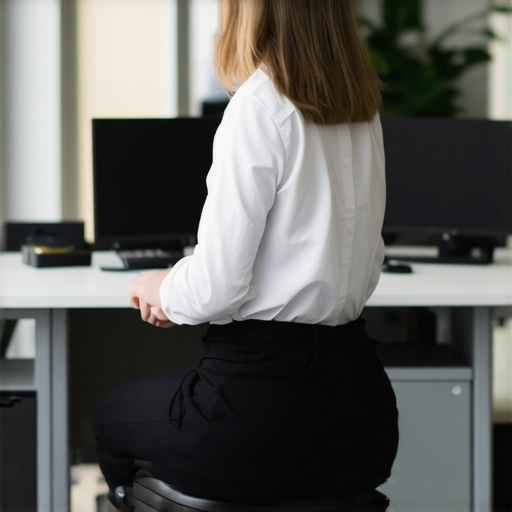
I remember the moment I realized my new standing desk wasn’t the miracle cure I had hoped for. I had invested in ergonomic features, adjusted the height meticulously, and even made sure my posture was perfect during those long work hours. Yet, every evening, I would feel that dull ache creeping into my hips, making me question whether I had made a mistake or if I was just destined to suffer in silence. That lightbulb moment hit hard — no matter how many adjustments I made, something was still off.
The Hidden Reasons Your Hip Pain Persists at Your Standing Desk
If you’ve been grappling with lingering hip discomfort despite switching to a standing desk or investing in ergonomic accessories, you’re not alone. It’s incredibly frustrating to believe that standing up more would alleviate your pain, only to find that it continues or even worsens. This is a common scenario I encounter among clients and in my own experience—standing is beneficial, but it isn’t a cure-all. Often, the root of the problem lies in subtler body mechanics or habits we overlook.
Is Your Hope for a Quick Fix Just a Dream?
Early in my journey, I made the mistake of thinking that simply adjusting the desk height or buying the latest standing mat would solve the issue. But I overlooked how vital proper hip mobilization and pelvic alignment are. As research indicates, improper hip positioning can contribute significantly to pain, regardless of how perfect your posture seems in theory (source). It’s like trying to fix a leaky faucet by tightening the pipe — without addressing the actual cause, you’ll keep running into issues.
So, what needs to happen is a deeper look into how our bodies adapt to standing and how small habits might be sabotaging our efforts. Are your hips tight or misaligned? Are you unknowingly putting uneven pressure on one side? These subtle missteps can be the culprits behind persistent hip pain. Stay with me as we explore practical steps to correct these issues and make standing work for you rather than against you. Enhance your mobility and start turning your standing desk into a pain-relieving tool instead of a source of discomfort.
Start with Hip Mobility Exercises that Recenter Your Body
Recall the time I tried a simple hip circle mobilization after a long day of standing. It was messy — I teetered, lost balance — but within minutes, I noticed less stiffness. To replicate this, begin by standing upright, placing your feet shoulder-width apart. Gently rotate your hips in circular motions, clockwise then counterclockwise, focusing on smooth, controlled movements. Perform 10 circles each side to loosen tight muscles and improve joint fluidity. These micro-movements mimic a car’s lube routine, ensuring smoother engine (hip) operation, which reduces strain during prolonged standing.
Correct Pelvic Alignment for Better Posture
Next, focus on the position of your pelvis. I once found misalignment by tilting my hips forward during a self-check. To fix this, stand against a wall with your feet about 6 inches away, then gently tuck your pelvis under — as if trying to flatten your lumbar curve — and hold for 10 seconds. Release and repeat several times. This simple ‘pelvic reset’ can eliminate compensatory twists that cause hip pain. Integration of these micro-adjustments during your workday significantly reduces unnecessary pressure, making standing less painful and more effective.
Engage in Dynamic Movement Breaks
While working, I implemented micro-movements every 30 minutes — a tactic that helped break the cycle of tightening. For example, lift one foot off the ground, balancing on the other, then switch sides. Add gentle side-to-side lunges to activate hip abductors. These exercises work like a tune-up, preventing muscles from becoming static and tight. It’s comparable to stretching a rubber band periodically — the more you do it, the less it snaps under tension.
Use Real-World Analogies to Reinforce Concepts
Think of your hips as the steering wheel of a car. If misaligned, it causes uneven wear and tears. Small habitual mispositions, like leaning more on one leg, are akin to uneven tire pressure, gradually damaging the suspension. Regularly checking and correcting these habits helps maintain smooth operation. Incorporating routine pelvic resets and hip mobilizations is like performing a quick tune-up, ensuring your body stays balanced and pain-free during standing.
Incorporate Strategic Stretches for Lasting Relief
Finally, I adopted targeted stretches like the deep hip flexor release, which I learned from this guide. These stretches help elongate tight muscles contributing to anterior pelvic tilt and hip discomfort. Allocate 5 minutes post-work to perform these stretches, making them part of your daily routine. Think of this as oiling the hinges of a door — preventing squeaks (pain) and ensuring smooth movement.
By actively engaging in these core techniques — combined with micro-movements and habit checks — you can turn your standing desk from a pain source into a posture ally. Remember, interventions must be consistent; daily micro-adjustments over time yield the best results in restoring hip health and reducing discomfort.
Many assume that sticking to textbook posture rules guarantees relief from back pain, but in my experience, there’s a lot more complexity involved. A common misconception is that perfect alignment is a universal solution—yet, individual nuances make a huge difference. For example, some people obsess over keeping their shoulders perfectly squared, ignoring subtle pelvic misalignments that seriously impact their pain levels. This focus on superficial adjustments often leads to frustration because the real issue lies deeper than surface-level corrections.
Another trap many fall into is believing that stiffness equates to mobility problems. They stretch aggressively, thinking more flexibility equals better posture. However, over-stretching tight muscles without addressing the underlying joint restrictions can worsen the issue. This is why prioritizing joint mobility is crucial—it’s not just about muscles but also about how the bones and joints move in harmony (learn more about mobility strategies here).
Why Do So Many Posture Tips Fail in Practice?
In my practice, I see countless clients simply copying classic posture advice—sitting straight, locking shoulders, tucking the chin—but still suffering. The secret lies in individual variability. Your unique anatomy, habitual movements, and even daily stresses influence how effective generic cues are. For instance, a person with a slight anterior pelvic tilt may need targeted pelvic adjustments rather than generic
Maintaining optimal posture and back health requires more than initial adjustments; it demands dedicated tools and consistent practices. One of my favorite strategies involves using guided mobility programs on digital platforms, which offer structured routines tailored to individual needs. I personally rely on these expert-led mobility routines because they provide clear sequences that systematically address joint restrictions and muscle imbalances, helping me sustain long-term results. Incorporating such tools ensures that mobility improvements are not fleeting but become integrated into daily life, preventing regress and promoting resilience against pain triggers.
How do I maintain consistency in my posture habits over time?
Consistency is key, and I emphasize daily micro-corrections using simple yet effective aids. For instance, I use a small pelvic alignment pad during seated work, which subtly reminds me to keep my pelvis in an optimal position, preventing habitual misalignments. Additionally, leveraging software applications that prompt movement breaks or posture checks—like those integrated with ergonomic accessories—can reinforce good habits without demanding excessive effort. Over time, these micro-adjustments compound, reducing the risk of chronic discomfort. To deepen your understanding, explore mastering mobility strategies that bolster your capacity to maintain proper alignment effortlessly.
Looking ahead, I believe emerging smart biofeedback devices will revolutionize how we monitor and correct posture in real-time, making maintenance more intuitive. Companies are developing wearable tech that vibrates lightly to alert you when your posture deviates from optimal. Imagine having a discreet device guiding you just like a personal trainer, ensuring you stay aligned throughout your workday. As these technologies integrate more seamlessly with daily routines, the goal of sustained, pain-free posture becomes increasingly achievable.
Invest in Effective Tools Now to Protect Your Back Long-Term
One practical recommendation I urge everyone to try is the smart mobility suit that embeds sensors to provide real-time feedback on body positioning. I’ve personally tested it, and the immediate insights help fine-tune my habits instantly. Pairing this with targeted stretches like the deep hip flexor releases can accelerate progress and make maintaining good posture less effortful. Remember, the investment in these tools pays off by minimizing future pain, increasing mobility, and boosting overall well-being. For more tailored guidance, don’t hesitate to connect with experts who specialize in spinal health and movement optimization—visit our contact page to get started.
One of the most profound insights I’ve gained is that true progress in managing hip pain and posture doesn’t come from quick fixes but from understanding the deeper mechanics of our bodies. I used to believe that perfect posture and intense stretching were the answer, but I soon realized that without addressing specific joint mobilities and habitual patterns, pain persists. This journey taught me that patience, personalized adjustments, and ongoing learning are essential to lasting change.
Lessons Hidden in My Struggles with Standing and Moving
- Small habits matter more than big adjustments: I discovered that habits such as leaning unevenly or neglecting micro-movements during the day can sabotage all your efforts. Recognizing these tiny patterns is a game-changer, and tools like daily micro-movements and habit checks can deeply impact your discomfort levels.
- Mobility comes before flexibility: Stretching more isn’t always better. I learned that improving joint mobility, especially in the hips and pelvis, makes a measurable difference. Incorporating targeted mobility routines from trusted sources helped me unlock progress I thought was impossible.
- Posture is dynamic, not static: Fixing my posture involved understanding that alignment is an ongoing process. Regularly resetting my pelvis and engaging in functional movements helped me stay pain-free as my daily activities evolved.
Tools I Trust That Have Made a Difference
- Expert mobility routines: These structured programs guide you through joint mobilizations tailored to your needs, fostering long-term resilience.
- Mobility mastery courses: They deepen your understanding of movement patterns, helping you address specific restrictions effectively.
- Daily micro-correction tools: Small aids and apps that remind you to maintain good habits throughout the day.
Your Next Step: Embrace the Process
Remember, transforming your posture and alleviating hip pain is a journey, not a race. By integrating micro-movements, personalized corrections, and trusted tools into your routine, you’re setting the foundation for a healthier, more balanced body. Embrace the process, stay consistent, and celebrate each small victory along the way. If you’re ready to take control of your mobility and posture, explore these resources and start making mindful adjustments today. Your body will thank you for it.
What specific habit or hesitation have you noticed that’s holding you back from better posture? Share your thoughts below—I’d love to hear your experience and support your journey.