
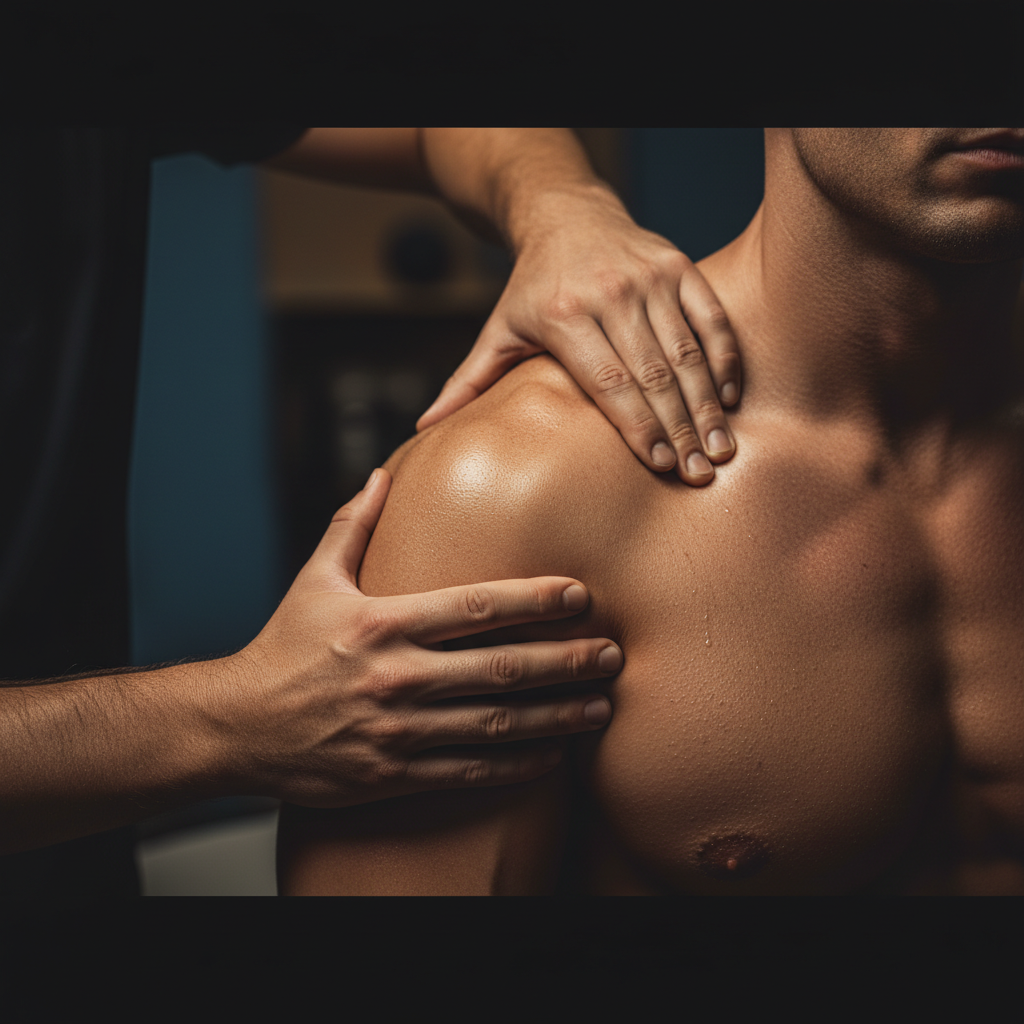
Biomechanical Engineering For Elite Human Performance
Engineered recovery for peak human performance.
We discard generic pain management in favor of hard data and movement analytics. Our Portland clinic analyzes your kinematics during a 60-minute baseline assessment to rebuild joint capacity and maximize force production. Stop guessing with your recovery and start engineering it.
Precision Analytics Over Passive Treatment
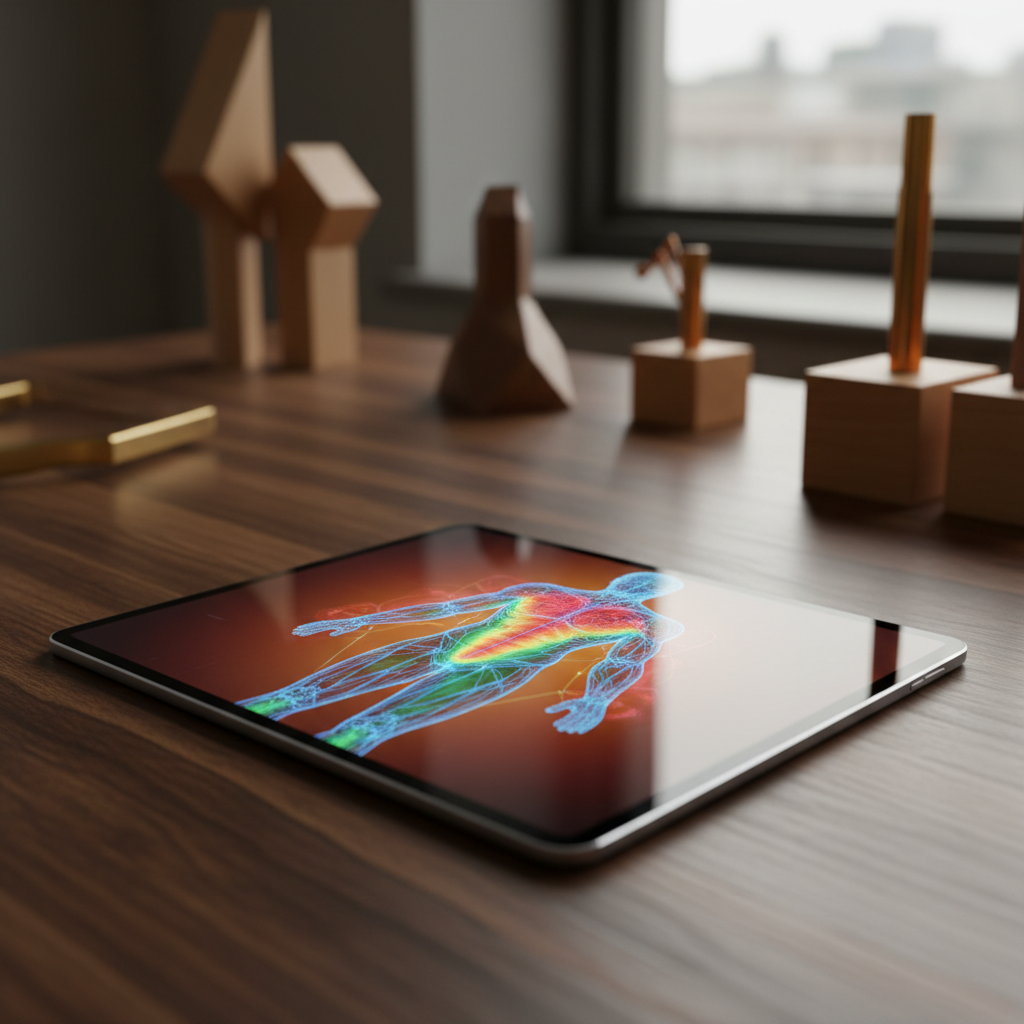
📊 Force Plate Diagnostics
We measure your ground reaction forces down to the millisecond. This data dictates your exact load management protocols rather than relying on subjective guesswork.
📐 Joint Articulation Mapping
We assess the exact degrees of active and passive range of motion in your primary load-bearing joints. This establishes a baseline to track your mechanical improvements week over week.
⚡ Neuromuscular Load Testing
We identify specific deficits in your motor control during complex movement patterns. Correcting these firing sequences increases your power output and reduces tissue strain.
🛠️ Instrumental Soft Tissue Mobilization
Using the T Tool, we target fibrotic tissue and fascial restrictions that limit your mechanical efficiency. This precise intervention restores optimal sliding surfaces between muscle groups.
📈 Engineered Progression Protocols
You receive a 12-week periodized mechanical rehabilitation program. Every rep, set, and load is calculated to force structural adaptation without exceeding your current tissue capacity.
Quantifiable Biomechanical Adaptations
Professional Powerlifter, Beaverton
Before: Chronic lumbar flexion under heavy loads limited deadlift capacity to 495 lbs.
After: Corrected pelvic tilt mechanics and increased deadlift to 585 lbs with zero structural pain.
⏱ 16 weeks
D1 Track Athlete, Portland
Before: Asymmetrical stride mechanics resulted in a 4.6-second 40-yard dash and recurring hamstring strains.
After: Restored bilateral hip extension symmetry, dropping the 40-yard dash time to 4.42 seconds.
⏱ 8 weeks
Competitive CrossFitter, Gresham
Before: Restricted thoracic extension prevented overhead squatting past 135 lbs.
After: Mobilized the T-spine and optimized scapular kinematics, resulting in a 225 lb overhead squat.
⏱ 12 weeks
The Mechanical Optimization Protocol
1
Execute The Baseline Assessment
You perform a series of loaded and unloaded movements while we capture your kinematic data. We analyze your joint angles, force production, and motor control to identify mechanical limiters.
2
Engineer The Intervention
We apply targeted joint manipulation and T Tool soft tissue mobilization to clear structural roadblocks. This immediate mechanical change opens the window for new motor learning.
3
Load The New Pattern
You execute specific, calculated resistance exercises to cement the corrected movement mechanics. We track your progress over a 90-day cycle to ensure permanent structural adaptation.
Dr. Ryan DeBell
Lead Biomechanical Architect · 12 years
I built Chiromasteryz because the standard model of passive pain relief fails high-performing individuals. My background in sports science and chiropractic medicine taught me that the body requires precise mechanical inputs to yield specific physical outputs. I developed the T Tool and our movement analytics protocols to eliminate guesswork. We do not rub your back; we engineer your physical capacity.
- Doctor of Chiropractic (D.C.)
- Master of Science in Sports Science
- Creator of the T Tool System
Frequently Asked Questions
Do you accept standard health insurance for these performance assessments?
We operate as a strict out-of-network provider. Standard insurance models dictate 15-minute appointments focused solely on basic pain reduction, which makes our 60-minute data-driven biomechanical assessments impossible.
How is this different from a standard chiropractic adjustment?
Standard adjustments often provide temporary neurological relief without changing your underlying mechanics. We use joint manipulation strictly as a tool to open a window of mobility, which we immediately reinforce with loaded movement protocols to force permanent tissue adaptation.
What should I wear to my baseline assessment?
Wear athletic clothing that allows for a full range of motion, including shorts above the knee and a form-fitting top. We need unobstructed visual and physical access to your joints to accurately measure your kinematics.
How long does the mechanical rehabilitation program take?
Most structural adaptations require a minimum of 12 weeks of consistent, progressive loading. You will see us in the clinic 1 to 2 times per week during this phase, supplemented by daily prescribed movement protocols at home.
Stop Guessing. Start Engineering Your Performance.
Secure your 60-minute biomechanical assessment. We will map your kinematics, identify your mechanical deficits, and build your 12-week progression protocol.
Written & Reviewed By
Dr. Ryan DeBell, M.S., D.C.
T Tool
Dr. Ryan DeBell, M.S., D.C., is a highly respected figure in the chiropractic and movement science community, bringing a wealth of clinical knowledge and practical expertise to chiromasteryz.com. With an educational foundation from the University of Western States and Western States Chiropractic College, Dr. DeBell has dedicated his career to bridging the gap between traditional chiropractic care and modern movement mechanics. As a specialist associated with the T Tool, he possesses a deep understanding of soft tissue mobilization and the integration of specialized instruments in clinical practice. His background as a Doctor of Chiropractic, combined with a Master of Science, allows him to provide evidence-based insights that are both technically sound and accessible to practitioners and patients alike. Throughout his career, Dr. DeBell has focused on optimizing human performance and refining the tools used by professionals to achieve superior patient outcomes. His contributions to the field emphasize the importance of precision, education, and the continuous evolution of manual therapy techniques. Dr. DeBell is deeply passionate about empowering others through education, helping them master the intricacies of chiropractic care to improve lives and enhance physical well-being.
Latest from Our Blog

How to Find Relief When Searching for a Prenatal Chiropractor Near Me
How to Find Relief When Searching for a Prenatal Chiropractor Near Me: An Omaha Guide How to Find Relief When…
Why Your Driving Range Routine is Destroying Your Lower Back
Why Your Driving Range Routine is Destroying Your Lower Back | Chris Ownbey Golf Fitness Why Your Driving Range Routine…
Why Your Trackman Swing Triggers Lower Back Pain and How to Fix It
Why Your Trackman Swing Triggers Lower Back Pain and How to Fix It Why Your Trackman Swing Triggers Lower Back…