
I remember the exact moment I realized my persistent tension headaches weren’t just about stress or fatigue—they were linked to a tiny change in how I held my head throughout the day. One afternoon, after yet another pounding headache, I caught myself in the mirror and noticed my head was slightly tilted forward, a little too eager to peek at my phone or sit in that familiar slouch. It was like an invisible tug on my neck, pulling my head into a strained position I hadn’t noticed before. That lightbulb moment sent me down a rabbit hole of experiments and adjustments, leading me to a simple shift that transformed the way I experience pain.
Most of us don’t think much about our head position, yet it plays a critical role in the headaches and tension we often dismiss as everyday discomfort. The good news? Making a tiny, intentional change in how I position my head and neck has been a game-changer. Today, I want to share how just a small shift in your head placement can help you break free from those nagging tension headaches.
Why Your Head Position Might Be the Hidden Culprit
Our heads are naturally heavy—about 10 to 12 pounds on average—and when they lean forward or tilt unnaturally, it creates unnecessary strain on the neck and shoulders. Over time, this constant tension can lead to headaches, visual disturbances, and general discomfort. Researchers have found that poor posture and head alignment can significantly contribute to tension headaches, with some studies showing that forward head posture increases the load on neck muscles and joints, resulting in pain and fatigue. (Source: here)
Now, I’m not suggesting you need a dramatic overhaul, but small, mindful adjustments to how you position your head can make a huge difference. Early on, I made a common mistake—tucking my chin excessively or leaning back in a futile attempt to find comfort. Those quick fixes only made things worse. Instead, the solution is to find a neutral, balanced position that keeps the head aligned over the shoulders—allowing your muscles to relax rather than grip and strain. It sounds simple, but once I started practicing this universal principle, my headaches diminished.
Do you often feel a dull ache or sharp tension building in your temples or behind your eyes, especially after long periods of screen time? If so, you’re probably experiencing the consequences of head misalignment. The good news is, with a few conscious tweaks, you can reclaim relief. And that’s exactly what we’ll explore next—step-by-step. But first, I want to know: have you ever noticed your head tilting or leaning forward during the day, even just subconsciously? If yes, keep reading because the fix might be easier than you think.
Get Your Head Neutral: The First Step
Imagine your head is like a bowling ball perched on a delicate pin — if it tilts forward, the pin (your neck) bears the weight, causing strain. To find the neutral position, stand against a wall and gently tuck your chin without forcing it. Your ears should align over your shoulders, and your chin should be slightly tucked. During my messy afternoon experiment, I gently adjusted my head into this position while working at my desk. The result? A noticeable decrease in tension, and I managed to work longer without headaches.
Use Your Phone as a Posture Tool
Ever notice how those constant phone checks make your head tilt forward? Turn this habit into a practice. When using your phone, hold it at eye level instead of looking down. This minimizes forward head posture, reducing neck strain. I caught myself leaning in during a late-night scroll, so I propped my phone on a stack of books now placed at eye height. The improvement in comfort was immediate and motivating.
Micro-Adjust Your Desk Setup
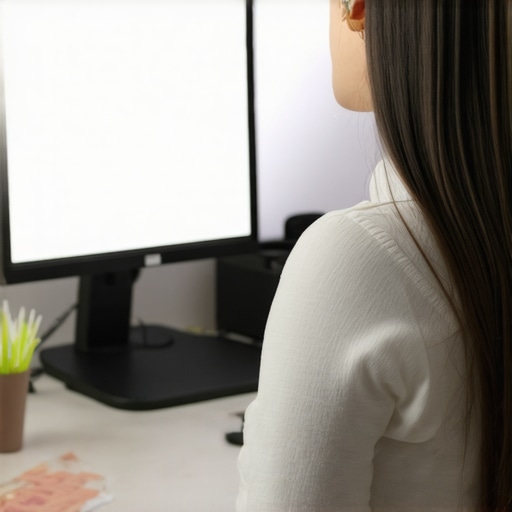
Set your monitor so that the top third is at eye level—think of it as aligning your chin with the corner of your screen. Your keyboard and mouse should be positioned so your elbows stay close to your body, forming roughly a 90-degree angle. During my recent overhaul, I elevated my monitor with a stand and adjusted my chair height. A quick test: sit back, relax, then gently tilt your head forward and backward. With a proper setup, you should feel less need to compensate, easing the tension you might not have consciously noticed.
Practice Gentle, Daily Alignment Checks
Every few hours, pause and assess your head position. Use a mirror or record a quick video to see if your head is still aligned over your shoulders. If not, consciously reset by tucking your chin slightly and elongating the neck. I adopted this habit midweek — spending two minutes to realign — and noticed a reduction in headaches by the week’s end. Think of it as giving your neck a mini-yoga session, making alignment a daily ritual.
Incorporate Posture-Friendly Movements
Complement your static adjustments with mobility moves. Gentle neck retractions, where you pull your head back as if creating a double chin, strengthen muscles that support proper alignment. I added these movements into my morning routine; the immediate gain was a flexible, pain-free feeling that carried through the day. For more mobility techniques tailored to your needs, explore strategies in this guide.
 While many believe that stretching endlessly or buying the latest ergonomic chair solves all back pain issues, the truth runs much deeper. A common misconception is that mobility exercises are primarily about increasing flexibility, but in reality, they are about restoring functional movement patterns that support your spine and joints. For instance, blindly performing hamstring stretches without understanding their impact on pelvic position can sometimes exacerbate back issues, especially if tight hamstrings are compensatory rather than primary causes of discomfort. (Source: here)
Another trap many fall into is mistaking static stretching for mobility. Static stretches might temporarily feel good but can lead to decreased tissue tension if overused, which doesn’t necessarily improve overall movement quality. Instead, dynamic movements and controlled mobility drills help create a stable foundation, preventing injuries and pain. An advanced tip I’ve learned from experts is to incorporate conscious neuromuscular control during movements, aligning with principles from mobility-enhancement strategies.
**Beware the Double-Edged Sword of Posture Adjustments**
Many believe that simply sitting upright or tucking the chin constantly will fix postural issues. However, this often leads to overcorrection and muscle imbalance. Instead, the goal is to establish a dynamic neutral postural awareness, where your muscles can switch comfortably between different positions without strain. Maintaining this balance requires understanding your unique biomechanics, which is why personalized assessments are crucial—many people overlook this nuance.
**Why Do So Many Fail to Address Core Stability?**
A significant oversight is neglecting core strength as the backbone of good posture. Weak core muscles force your spine to bear unnecessary loads, compounding back pain. Interestingly, a core that is too tight can also restrict movement and create tension throughout your back and hips. Balance, rather than brute strength, is key here. For sustainable improvement, consider integrating functional core exercises that promote stability in multiple planes of motion—as explained in this guide.
**The Common Myth: More Mobility Is Always Better**
Contrary to popular belief, excessive mobility can cause joint instability if not paired with strength. Overly flexible joints are more vulnerable to misalignment and injury. The sweet spot is achieved by restoring optimal mobility and then reinforcing stability through targeted strengthening exercises.
**Avoid Falling Into the Adjustment Trap**
Adjustments can be incredibly helpful but are often misused or overdone. The mistake is assuming that a quick fix will solve long-term issues. Optimal results come from integrating adjustments into a comprehensive strategy that includes movement retraining and posture awareness. For expert guidance, exploring resources like here is invaluable.
Remember, the key is understanding the nuanced interplay between mobility, stability, and muscular balance. Quick fixes and myths might offer temporary relief but won’t prevent future issues. Prioritize personalized assessment and gradual, deliberate adjustments to your movement habits.
Have you ever fallen into this trap? Let me know in the comments.Maintaining good posture and back health isn’t a one-and-done effort; it requires consistent attention and the right tools to support your journey. Personally, I rely on a combination of ergonomic accessories and digital resources to keep my alignment optimal and prevent setbacks. One of the cornerstones of my routine is a high-quality ergonomic chair that encourages proper spinal positioning. I chose a model with adjustable lumbar support and armrests, allowing me to customize it to my body’s needs. However, even the best chair isn’t enough without mindful positioning habits. That’s where tools like posture correction apps come in—using adjustable prompts and reminders, I stay aware of my sitting habits, especially during long work hours. Apps like [Posture = Positivity](https://chiromasteryz.com/daily-adjustments-to-alleviate-back-pain-and-improve-posture) analyze my posture through the webcam and send gentle alerts when I slouch, making real-time corrections easier. In addition, I use foam rollers and massage balls to release muscle tension accumulated from daily activities. These tools allow me to target specific areas such as the upper back and hips, which are prone to tightness from prolonged sitting. Incorporating mobility and stretching routines with these aids has a significant long-term impact, reinforcing good movement patterns and reducing pain episodes. Looking ahead, I predict that wearable technology will become even smarter in managing posture—integrating sensors that provide immediate biofeedback and tailored exercises based on real-time data. This evolution will make maintaining alignment more intuitive and less reliant on manual checks.
### How do I keep my back and posture habits sustainable over time?
One practical method is integrating mobile apps with hardware tools like posture correctors or smart sensors. These tools act as an external brain, continuously reminding me to adjust my position and follow through with corrective exercises, thus embedding good habits into daily routines. Regularly reviewing my progress, analyzing the data, and adjusting my tools ensure sustained benefit. This holistic approach reduces the chance of regression, common when tools are used sporadically.
If you’re serious about maintaining your posture long-term, I recommend experimenting with one of these tools—perhaps starting with a posture reminder app combined with a supportive chair. Consistency is key, and having the right equipment enhances your ability to stay committed. Remember, the goal isn’t perfection but progress. Keep assessing and refining your setup, and you’ll build resilient habits that protect your back for years to come.
Want to dive deeper? Explore how targeted adjustments can complement your tools by reading about [simple adjustments to alleviate back pain](https://chiromasteryz.com/unlocking-better-posture-simple-adjustments-to-relieve-back-pain). Or, if you’re ready to upgrade your workspace, check out our guide on [ergonomic desk setup](https://chiromasteryz.com/why-your-ergonomic-desk-chair-is-still-causing-sciatica-flares). Take action today—try integrating a posture reminder app with your current chair to see immediate benefits.Throughout my journey to alleviate tension headaches, I discovered that often the most effective fix lies in a seemingly tiny adjustment—how I hold my head each day. One profound insight was realizing that a subtle shift into a neutral head position drastically reduced my discomfort, revealing how crucial subconscious habits are in chronic pain management. I learned that misaligned head posture doesn’t just cause temporary ache but slowly accumulates stress that undermines overall well-being, especially with prolonged screen time or sedentary routines. Embracing mindful awareness and consistent adjustments made me appreciate the delicate balance required for optimal spinal health, a lesson I wish I had understood earlier. Genuine progress comes from persistent, small improvements—trusting that daily tweaks, no matter how minor, craft lasting relief and resilience in your posture, transforming your approach from reactive to proactive.