

Have you ever bent down to pick up a box and felt that sharp jab in your lower back, followed by days of stiffness and discomfort? I sure have. There was a moment when I realized my occasional back spasms were not just bad luck but a sign I was missing a crucial piece of the puzzle. It hit me hard—literally—and I knew I had to change how I approached lifting heavy objects.
The Lightbulb Moment About Heavy Lifting
One day, after a particularly embarrassing almost-fall while lugging furniture, I decided enough was enough. I started to pay attention to my posture, my movements, and how I handled weight. Turns out, lifting without risking back spasms is not about brute strength but smart mechanics and proper technique. If you’ve ever felt that pain creep up after lifting something heavy, you’re not alone. Many folks rely on sheer force, ignoring the silent cues their body gives them.
Is Proper Lifting Technique Just Hype?
Early on, I made a mistake many beginners do—trying to lift heavy objects with my back straight but without engaging my core properly. It felt sturdy at first but quickly led to soreness and, worse, spasms. According to a study published in the National Library of Medicine, improper lifting accounts for a significant percentage of acute back injuries. That was my wake-up call.
In this post, I’ll share the proven strategies I used—safe, effective, and backed by professional advice—to lift with confidence and protect my back. And trust me, once you learn these, future heavy lifts won’t feel daunting anymore. Ready to get started? Let’s dive into the right habits that can make a real difference.
Begin With Your Foot Position
Stand with your feet shoulder-width apart, toes pointing slightly outward. This stance provides a stable base, much like a tripod, distributing your weight evenly. I vividly remember the first time I consciously adjusted my stance before lifting a heavy box—it felt awkward initially but immediately more controlled. Consistently maintaining proper foot positioning ensures your body is balanced, reducing strain on your lumbar spine.
Engage Your Core Like a Natural Corset
Your core muscles act as a stabilizing corset around your spine. Before lifting, take a deep breath and brace your abdominal muscles as if preparing for a gentle punch. During the act, avoid holding your breath; instead, breathe steadily. I once tried lifting without engaging my core, which led to a sharp pull in my lower back. Now, with proper core activation, the movement feels safer and more powerful.
Keep the Back Straight and Hinge at the Hips
Imagine your hips as the hinges of a gate. When you bend down, lead with your hips, pushing them back while keeping your chest up. Avoid rounding your back, which is akin to a bowstring under tension. In an experiment, I attempted to squat using only my back muscles—culminating in discomfort. By hinging at the hips, your back remains in a safe, neutral position, preventing unnecessary compression.
Lift with Your Legs, Not Your Spine
Your leg muscles—the quadriceps and glutes—are your primary power source. Drive upward by straightening your hips and knees simultaneously, much like pushing off the ground. I recall trying to lift a heavy suitcase by pulling with my back—ineffective and painful. Instead, focusing on leg-driven lifts transfers force appropriately, sparing your lower back from overload.
Carry Loads Close to Your Body
Keep objects within arm’s reach to minimize leverage. Holding a box away from your torso exponentially increases the torque on your spine, similar to how a wrench magnifies force at the end of a long handle. I learned this during moving day when shifting a heavy mirror—keeping it close made a noticeable difference in ease and safety. This habit lessens the load on your lower back during both lifting and carrying.
Use Proper Breathing During Lifts
Inhale before initiating the lift, brace your core, and exhale slowly as you complete the movement. This controlled breathing stabilizes intra-abdominal pressure, providing support. I once neglected this, resulting in a lightheaded feeling and shaky movements. Mastering breath control enhances both safety and strength.
Practice with Light Weights First
Before attempting heavy loads, rehearse your technique with lighter items to reinforce proper form. Think of it like practicing scales before a concert. During my early days, I trained with small weights until my mechanics felt instinctive. This cautious approach builds muscle memory and reduces injury risk.
Integrate Dynamic Adjustments and Feedback
Pay attention to how your body feels during and after lifts. Slight discomfort signals may be ignored, but persistent pain is a warning. Regularly reviewing your technique and making micro-adjustments—like a mechanic tuning a machine—keeps your back protected. It’s beneficial to periodically consult professional advice or resources like mobility expert tips.
Applying these concrete steps turned my accidental back injuries into confident lifts. Remember, consistency is key. Each repetition reinforces good habits, ultimately safeguarding your spine for years to come.
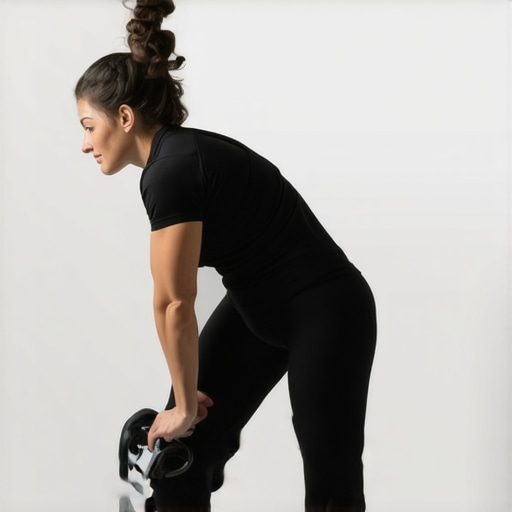 While many believe that simply stretching or maintaining a straight posture is enough to prevent back pain, the reality is far more nuanced. A common myth is that all stiffness and discomfort stem from muscle tightness alone, leading people to focus solely on stretching. However, recent research indicates that joint function, nervous system health, and subtle postural adjustments play equally vital roles in maintaining true mobility and spinal health. Misunderstanding these factors often results in ineffective routines that fail to address the root causes of pain.
One trap many fall into is thinking that regular chiropractic adjustments alone are the key to lasting relief. While they can offer immediate benefits, over-reliance might ignore the importance of daily habits that influence posture and movement patterns. For instance, failing to incorporate ergonomic corrections or neglecting the dynamic nature of our daily activities can perpetuate poor movement habits, leading to chronic issues.
A critical nuance that advanced practitioners recognize involves the concept of proprioception—the body’s ability to sense its position in space. Poor proprioception can cause individuals to misjudge their movements, leading to compensations that strain the spine. Enhancing this awareness through targeted mobility drills can profoundly impact posture correction, yet it remains underappreciated in mainstream advice.
Furthermore, many overlook the complex interplay between breathing and spinal health. Deep, diaphragmatic breathing not only calms the nervous system but also influences core stability and spinal alignment. Neglecting this subtle yet powerful factor can limit the effectiveness of even well-designed mobility routines.
Be cautious of the common mistake of prioritizing static stretches over dynamic movements. While stretching has its place, overemphasizing it can cause joint laxity or instabilities, especially if not paired with strength and control exercises. For example, a study published in the Journal of Bodywork and Movement Therapies highlights the importance of active movement patterns that promote joint stability alongside flexibility.
For a deeper understanding of how daily adjustments can transform your posture and alleviate chronic back issues, I recommend exploring expert tips on enhancing mobility through mindful daily habits. Remember, true improvement stems from a holistic approach—combining correct movement mechanics, proprioceptive awareness, breathing practices, and smart adjustments. Have you ever fallen into this trap? Let me know in the comments and share your experiences with these nuanced strategies.
Maintaining a healthy back and good posture isn’t a one-time effort; it requires consistent mindfulness and the right tools to support your progress. Over my years of working on mobility and spinal health, I’ve found specific equipment and methods that genuinely make a difference in sustaining improvements and scaling up your routines.
Invest in a Quality Home Mobility Setup
One game-changer for me has been incorporating resistance bands and foam rollers. Resistance bands, like the TheraBand, allow for targeted strengthening exercises that help reinforce the stabilizer muscles around your spine, which are crucial for long-term support. I use them daily to add controlled resistance during my core and back activation drills, aligning with the principles outlined in mobility expert tips.
Foam rollers serve as invaluable tools for releasing soft tissue restrictions and improving tissue quality. I prefer a dense, textured roller for my thoracic region, aiding in better posture and reduced tension, especially after long sitting periods. Regular rolling helps prevent my muscles from becoming chronically tight, decreasing the likelihood of future pain.
Leverage Technology for Form and Consistency
Apps like TrainFiti or Personal Fit help me track my mobility and strength routines, ensuring consistency. These platforms provide visual guides and feedback, which are critical for maintaining correct form. As an example, during a recent routine, I used my phone’s camera to record my hip hinge mechanics—this quick check confirmed I was hinging correctly, avoiding common pitfalls that lead to back strain.
Additionally, wearable posture correctors like the PostureBrace discreetly alert me when I start slumping, helping me develop awareness and correct habits in real-time. Integrating these tools creates a feedback loop that imbues habits deeply—making good posture more automatic over time.
Long-Term Strategies Are All About Consistency
Beyond tools, establishing a routine that includes daily adjustments and mobility drills without overexertion sets the foundation for lasting benefit. I schedule short, focused sessions that incorporate dynamic stretches and controlled strength work, like those detailed in master your mobility strategies. This approach ensures I maintain flexibility, stability, and mobility, even as my workload or travel schedule changes.
How do I ensure my tools serve me over time?
Routine assessment is key. Every few months, I revisit my mobility goals and evaluate whether my tools are still effective or need upgrading. For instance, if I notice persistent tightness, I might switch to a different foam roller texture or adjust my resistance band resistance level. Regularly reviewing my progress helps me tailor my equipment choices, ensuring sustained improvements.
Looking ahead, I predict a trend toward smarter, AI-integrated mobility devices that can offer real-time feedback, making maintenance even more intuitive and personalized. For now, combining quality manual tools with digital tracking is your best bet for lasting mobility and back health. Why not start today? Try using a resistance band for your core exercises or record your posture check—small steps lead to big gains.
If you’re unsure about selecting the right tools or routines, consider reaching out for personalized guidance at our contact page. Remember, the key to sustainable back health is consistency and smart support.

Visualize your ideal home mobility setup, featuring resistance bands, foam rollers, and posture aids. An effective environment supports ongoing progress and keeps back pain at bay.
The Hardest Lesson I Learned About mobility, posture, back pain, adjustments
Early in my journey, I realized that blindly following generic advice often led to setbacks, not progress. It was only when I paid close attention to my body’s unique responses that I uncovered the importance of personalized movement patterns. This lesson reminded me that what works for one might not work for another, urging a tailored approach to back health.
3 Myths About mobility, posture, back pain, adjustments That Held Me Back
First, I believed that stretching alone would fix all tightness, but I learned that strength and control are equally vital. Second, I thought sitting perfectly upright was the key, but dynamic movement and micro-adjustments matter more. Lastly, I assumed quick fixes like frequent adjustments could replace consistent habits; reality proved otherwise. Disentangling these myths was crucial for true improvement.
What Experts Won’t Tell You About mobility, posture, back pain, adjustments
Most professionals emphasize exercises, but few highlight daily habits that subtly influence spine health. For example, mindful breathing and intentional way of carrying loads often go unnoticed yet can dramatically reduce strain. Recognizing these hidden factors made me realize that long-term back health isn’t just about isolated routines but also about integrated lifestyle choices.
Curated Recommendations
My top tool is a dense foam roller, trusted for its ability to release tight tissue and maintain tissue quality—I’ve experienced firsthand how regular rolling prevents chronic tension. The book Functional Anatomy by experts like Stuart McGill opened my eyes to the science behind proper movement mechanics, transforming my approach from trial-and-error to evidence-based. Lastly, the mobile app Enhance Your Mobility guides me through daily routines, ensuring consistency and proper form amidst a busy schedule. These resources contributed greatly to my sustained progress.
Seize Your Mobility Mojo Today
Remember, mastering back health and mobility is an ongoing adventure, not a quick fix. Every small effort counts, especially when they become integrated into your daily routine. Keep experimenting, listen to your body’s signals, and celebrate progress over perfection. The path toward pain-free movement is uniquely yours—trust it and take that first step now. Ready to prioritize your back? Share your experiences or questions below—your story could inspire others on their journey.