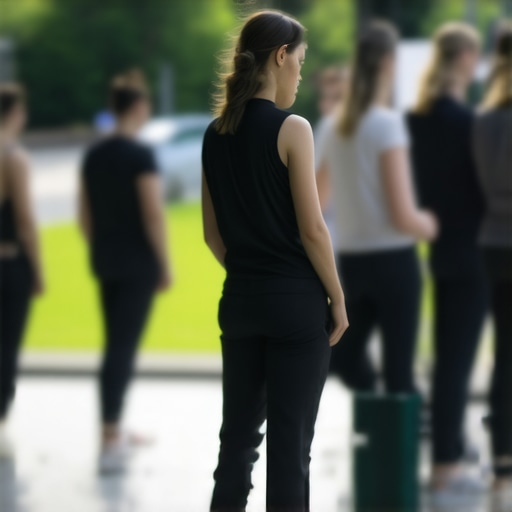
Have you ever been in a busy supermarket queue, standing there with your shopping cart, when suddenly a sharp ache spreads across your lower back? I used to brush it off as just a tired muscle, only to realize later that this discomfort was more persistent—and annoying—than I thought. One crowded afternoon, as I shuffled my feet, I had a lightbulb moment: standing in line shouldn’t mean enduring unnecessary pain. It was then I decided I needed to find practical solutions, not vague advice, to get through those frustrating moments without sacrificing my back’s health.
Arthritis of the Waiting Game: Why Standing in Line Can Wreak Havoc on Your Back
Standing for long periods in queues is more than just a petty inconvenience. According to recent research, prolonged standing can increase pressure on your lumbar discs and muscles, leading to discomfort and even chronic pain over time. It’s easy to underestimate how much strain those everyday moments can place on our spines. Early on, I made the mistake of ignoring my posture, thinking a little back tension was inevitable. But I’ve learned that even simple adjustments can make a big difference. If you’ve ever found yourself shifting from one foot to the other trying to relieve pain, you’re not alone—and there are effective strategies you can try.
Is Standing in Line Really That Dangerous?
I used to believe that a little discomfort was just part of waiting. I thought, “It’s just a quick moment,” but over time, I realized my neglected posture was turning brief waits into painful experiences. Knowing how a simple tweak, like shifting your weight or engaging your core, can drastically lessen back strain, I started to explore the best ways to stay comfortable. Want to learn how I managed to stand in those endless lines pain-free? Keep reading, because I’m about to share proven tricks—backed by expert tips—that you can start using today.
And if you’re tired of fighting back pain during routine activities, check out these mobility tips for a smoother, pain-free experience. Ready to take control of your standing moments? Let’s dive into the solutions that really work.
Engage Your Core Immediately
When I felt that nagging back ache in a grocery queue, my first move was to tighten my abdominal muscles. Imagine your core as a natural support belt for your spine — activating it stabilizes your lower back. To do this effectively, stand with your feet shoulder-width apart, gently pull your belly button toward your spine, and hold for a few seconds. I practiced this in front of a mirror at home, and the difference in stability was noticeable. Regular core engagement acts like a steel corset, reducing pressure on lumbar discs during prolonged standing.
Shift Your Weight with Purpose
Alternate Your Stance
One phenomenon I noticed during long waits was my tendency to lean on one leg repeatedly — a habit contributing to pelvic tilt and asymmetric load. Instead, consciously shift your weight from one foot to the other every 15-20 seconds, imitating a gentle sway. This redistribution alleviates uneven strain on your back muscles and prevents fatigue. Think of it as a natural dance move that keeps your posture balanced and comfortable over time.
Use Dynamic Movements
Rather than remaining static, incorporate small, controlled movements like ankle circles or knee bends. These actions stimulate circulation and prevent muscles from locking up. I once performed ankle rotations discreetly at a checkout line, which kept my lower legs active and reduced back stiffness. Remember, small, purposeful movements are like oiling a rusty hinge — they keep your joints flexible and ward off discomfort.
Adjust Your Posture Smartly
Mirroring my experience, I found that standing with a slight anterior pelvic tilt—tips of the hips slightly forward—relieved lumbar pressure. To achieve this, pretend you’re gently sticking your tailbone backward, aligning your pelvis naturally. Avoid slouching or overarching your lower back, which exacerbates strain. If you need visual guidance, check out this article. Small postural tweaks like these are akin to fine-tuning an instrument, bringing symmetry and reducing discomfort.
Incorporate Breathing Techniques for Support
Deep diaphragmatic breathing acts as an internal brace, strengthening your core from within. During long waits, pause and take slow, deep breaths, expanding your diaphragm fully. This not only calms your nervous system but also enhances core engagement and stabilizes your spine. I remember taking a moment to breathe deeply as I waited in line, which eased my tension and kept my back relaxed. Think of your breath as the gentle wind that steadies a sailing boat amidst choppy waters—steady, calming, effective.
Apply Simple Mobility Exercises
In moments of prolonged standing, gentle stretches like the hip opener or thoracic twist can prevent stiffness. For instance, the hip opener I perform involves shifting weight from one foot to the other while gently swinging the opposite leg forward and back, loosening tight hip flexors. This action is comparable to oiling the hinges of a door — ensuring smooth movement and preventing strain from tight muscles.
Utilize Portable Support When Possible
If the environment permits, use a small support — like a bag or a collapsible stool — to take some weight off your legs. During a lengthy waiting period, resting your lower back against a sturdy surface for a few moments can be a game-changer. In my own experience, leaning briefly on a nearby cart’s handle allowed my lower back to relax and realign, much like giving a tense muscle a brief break to recover.
Many people assume that perfect posture is about static alignment—standing upright with shoulders back and chest open. However, as an expert in spinal health, I can tell you that this oversimplification misses the deeper nuance. The real challenge lies in understanding how subtle, often unconscious, adjustments can either prevent or perpetuate back pain. One common myth is that rigidly maintaining an ideal posture infinitely benefits your spine. On the contrary, research indicates that excessive stiffness and neglecting dynamic movement can be detrimental, leading to muscle fatigue and imbalanced load distribution (see mobility enhancement tips).When it comes to keeping your back healthy and your mobility smooth over the long term, having the right tools makes all the difference. I personally rely on a combination of specialized equipment and proven techniques to ensure I stay on top of my spinal health. One staple in my setup is the foam roller, specifically a dense, high-quality model. I use it daily to perform mymyofascial release exercises, which help break up adhesions and promote better tissue mobility. Unlike cheaper alternatives, a sturdy foam roller provides the necessary firmness to target deep muscle layers effectively, which are crucial for maintaining healthy posture.
Another indispensable tool is a posture correction app, like “Upright Coach” or “Nekoze,” which I integrate into my routine. These apps utilize real-time feedback via your smartphone or wearable devices to alert you when your posture starts to slip, allowing immediate correction. I’ve found this immediate feedback invaluable because consistency is key in long-term postural maintenance.
For mobility enhancement, I incorporate resistance bands into my daily regimen. My favorite is the loop band, specially for shoulder and hip mobility exercises. I chose resistance bands over static stretching because they allow dynamic movement and controlled resistance, which are more effective at improving tissue elasticity and joint range of motion. I often perform shoulder dislocates and hip openers with bands—these are simple yet powerful at preventing stiffness, especially if you spend a lot of time seated.
Lighting is often overlooked but critical—good lighting reduces eye strain and encourages better overall ergonomics. I use adjustable LED desk lamps with natural light settings, which help me maintain alertness during work and facilitate better body awareness. This awareness translates into more mindful movements and better posture habits.
Finally, I’ve invested in an ergonomic standing desk converter. Adjustable height and stable support make it easy to alternate between sitting and standing. This flexibility helps prevent muscle fatigue and encourages proper *dynamic* posture throughout the day. I prefer models that smoothly transition between postures and have good surface area for my computer and accessories, promoting neutral neck and spine alignment.
Looking ahead, the trend is moving toward smart devices that offer biofeedback and AI-driven posture coaching, making it easier than ever to personalize and optimize your health routines. Future tools will likely integrate seamlessly with your devices, providing real-time analytics and adaptive exercise programs.
**How do I maintain these tools’ effectiveness over time?** Regular inspection and calibration are essential. For example, check your resistance bands for wear and tear, update your posture app as new versions emerge, and ensure your ergonomic equipment adjusts properly for changes in your workspace or body. Remember, consistency is vital; integrating these tools into a daily routine will yield the best long-term results.
To really take your mobility and posture to the next level, I recommend incorporating the mobility techniques outlined here. For instance, setting a reminder to perform your preferred mobility drill every few hours can substantially reduce stiffness. Try adding one or two of these tools into your daily habits and notice how your back responds over time. Your future self will thank you for taking proactive steps today.
The Hardest Lesson I Learned About Posture During Busy Moments
One insight that hit me unexpectedly was realizing how much my subconscious habits—like leaning on one leg or slouching—contributed to chronic discomfort, especially during simple activities like waiting in line. It taught me that awareness and tiny tweaks could dramatically change long-term health outcomes. Bridging the gap between awareness and action became my personal mission.
My Top Tool When Facing Long Waits
Incorporating portable tools like resistance bands and posture correction apps transformed my approach. These tools aren’t just gadgets; they’re reminders and reinforcements helping me maintain proper alignment and movement habits throughout the day. Having a go-to toolkit made consistent posture correction effortless and sustainable.
Fueling My Back Resilience Through Mindful Movement
Engaging my core, shifting my stance consciously, and controlling my breathing became more than routines—they evolved into mindful practices that built resilience. This holistic approach made me realize that empowering my body in small moments accumulates into significant health benefits, reducing the risk of chronic pain and stiffness.
My Essential Toolkit for Lasting Posture and Mobility
- High-Quality Foam Rollers – They help me release tissue adhesions and maintain flexibility, which is fundamental for postural support. I trust the dense models for their durability and effectiveness.
- Posture Feedback Apps – Apps like7 Fixes for Lower Back Pain While Standing in Line