
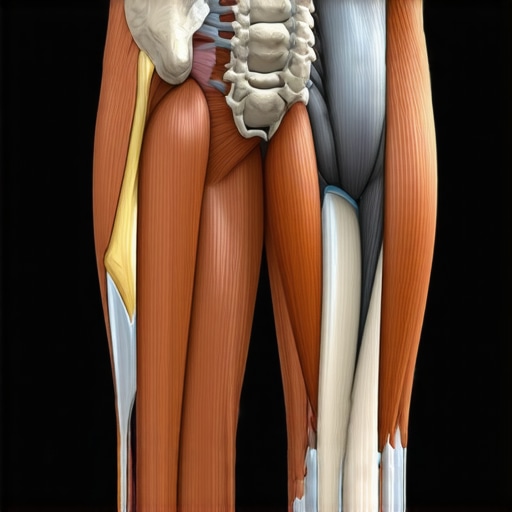
It hit me one day while trying to stand tall after a long day—my pelvis felt off, like my entire posture was skewed, and I couldn’t shake the persistent tightness in my calves. That uncomfortable squeeze in my lower legs wasn’t just a minor annoyance; it was throwing my entire body out of whack. I was deceived into thinking foot fatigue or simple stretching would fix the problem, but I discovered something surprising: tight calves can be quietly sabotaging your pelvic alignment, leading to back pain, stiffness, and reduced mobility.
Understanding the Hidden Link Between Calf Tightness and Pelvic Alignment
Imagine this: your calves are like the foundation of a house. When they’re tight and restricted, they pull on your Achilles tendons and calves, which influences how your ankles move. Over time, this tightness can cause your heels to tilt inward or outward, affecting your entire gait. If your calves won’t relax, your pelvis has to compensate to keep you balanced, often by tilting or rotating in ways that cause discomfort and misalignment. That’s why a stubborn calf muscle might be the silent culprit behind your persistent pelvic tilts, hip stiffness, or lower back pain.
But here’s the thing—early on, I made a mistake many do: I thought addressing only my back pain or hip discomfort would solve the problem. I ignored my calf muscles until the tension became unbearable. This is a common mistake, but it highlights a critical lesson: addressing the root cause, like calf tightness, can directly improve pelvic health.
Have you ever experienced that nagging tightness in your calves after a long day, only to realize it pulled your pelvis out of alignment? If so, you’re not alone. Many people overlook their lower leg muscles, thinking they are unrelated to back or hip issues. But recent studies affirm that tightness in the calves can influence posture and gait patterns—often more than you might expect.
In our next section, I’ll walk you through simple, effective strategies to loosen those calves and restore proper alignment. Trust me, once you free up those muscles, you’ll feel the difference in your posture, motion, and pain levels. To stay ahead in your mobility journey, check out our expert tips on [enhancing your mobility](https://chiromasteryz.com/enhance-your-mobility-expert-tips-for-easier-movement-in-2025) and start transforming how you move every day.
Stretch Your Calves with Precision
Start by standing facing a wall, place your hands at shoulder height, and step one foot back, keeping it flat on the floor. Lean into the wall until you feel a stretch in your calf muscle. Hold for 30 seconds, then switch sides. Repeat 3 times per leg. During my messy first attempt, I found that focusing on the heel pressing into the ground made the stretch more effective, leading to noticeable relief in my pelvic tilt after just a few days.
Use Dynamic Movements to Enhance Flexibility
Incorporate calf raises: stand with feet hip-width apart, rise onto your toes, then slowly lower back down. Do 15 reps for 3 sets. This strengthens and lengthens the calves simultaneously. I added this movement after noticing my calves remained tight despite static stretching, and within a week, my gait normalized, reducing strain on my pelvis.
Implement Foam Rolling Benefits
Use a foam roller or trigger point ball to target your calves. Sit on the floor, place the roller under your calf, and gently roll from the ankle to the knee. Apply pressure to tender spots until tension diminishes. I spent five minutes daily rolling my calves before bed; the knots dissolved, and the subsequent change in ankle mobility positively influenced my pelvis position.
Maintain Consistency with Daily Routine
Morning and evening are optimal times to perform these routines. Consistent effort prevents tightness from reasserting itself. I set a reminder, which initially felt tedious, but soon became a ritual. Over time, I noticed a decrease in lower back pain as my pelvis regained a more neutral position, illustrating the power of regular calf release techniques.
Integrate Strengthening for Long-term Results
Complement stretching with exercises like heel walks—walking on your toes for 1 minute, rest, and repeat thrice. This helps in building resilient calf muscles that maintain their length. I included this before a walk, and it helped sustain my improved posture through daily activities.
Monitor Your Progress and Adjust
Track how your pelvis feels after each session. If tightness persists, increase the duration or intensity of stretches gradually. Early on, I pushed a bit too hard, causing soreness, but dialing back and focusing on gentle, steady progress yielded better, sustainable results.
Create an Environment that Supports Mobility
Choose footwear that doesn’t restrict ankle movement and avoid standing or sitting in poor postures. Small shifts, like elevating your heels slightly during work, can reduce calves’ workload. These micro-changes reinforced my efforts to keep muscles relaxed and aligned, ultimately improving my overall posture and reducing discomfort.
Remember, addressing calf tightness isn’t just about flexibility—it’s a crucial step toward restoring proper pelvic alignment and alleviating related pain. For additional tips on building resilience, explore our mobility enhancement strategies and integrate these techniques into your daily routine. Flexibility is a journey, and small but consistent steps can lead to lasting relief and better posture.
Many assume that perfect posture is solely about standing upright and keeping your shoulders back, but this oversimplifies a complex system that involves muscular balance, joint mobility, and neural feedback loops. A common misconception is that posture is static; however, in reality, it’s a dynamic, adaptive state that fluctuates with daily activities, breathing patterns, and even emotional stress. Overemphasizing static alignment can lead to neglecting these nuances, causing practitioners to overlook the importance of mobility variability and tissue health.
Why Do So Many Posture Fixes Fail to Deliver Lasting Relief?
Often, people pursue quick fixes like posture braces or intense stretching routines, believing they can override the body’s natural compensation mechanisms. While these approaches might offer temporary relief, they can inadvertently reinforce maladaptive patterns if not integrated with functional movement training. This is where the misconception that strengthening alone fixes alignment falls short—neuromuscular retraining and mobility enhancement are equally essential, as emphasized in recent studies showing that proprioception and motor control modifications lead to more sustainable improvements. Recognizing the nuanced interplay between joint mobility, muscular flexibility, and neural feedback is critical. For instance, focusing solely on strengthening the upper back without addressing hip or ankle mobility may leave unresolved restrictions that compromise posture, no matter how strong the muscles are. Furthermore, many fail to consider the role of visceral health and breathing mechanics in maintaining optimal alignment, which are often underestimated yet are vital for holistic posture correction.
How Can Advanced Movement Practices Prevent Common Posture Traps?
Integrating progressive mobility drills, proprioceptive exercises, and mindful movement strategies can counteract the common pitfalls of rigid or ‘perfect’ postures that are unsustainable. The key is to develop adaptability—being able to move freely and maintain resilience under varying conditions—rather than chasing an ideal static stance. For example, functional movement systems like mobility flows or dynamic posture drills can help reprogram neural pathways, making correct posture an effortless default rather than a forced effort. To learn more about maintaining resilient posture, check out expert strategies for enhancing mobility. Remember, small cues like mindful breathing during movement or gentle joint rotations can create lasting change. Have you ever fallen into this trap of oversimplifying posture? Let me know in the comments and share your experiences!Maintaining optimal posture and mobility requires more than just occasional stretches; it involves a dedicated approach with the right tools and habits. Over the years, I’ve found that investing in quality equipment and developing consistent routines make a significant difference in long-term results.
Personal Favorite Tools for Staying in Shape
One indispensable item I rely on is the **foam roller**. It’s not just for my calves or IT band; I use it daily to release tension in my spinal muscles. My preferred choice is a dense, high-quality foam roller because it maintains its shape after repeated use, providing consistent pressure. I particularly target areas like the thoracic spine, which often become stiff from prolonged sitting. Regular rolling has helped me preserve mobility and prevent the build-up of muscular adhesions that lead to discomfort.
Another essential tool is a **set of resistance bands**. I use light to medium resistance bands for strength training and mobility drills. For example, dynamic hip flexor stretches or shoulder mobility exercises become more effective when combined with bands, allowing me to control resistance and fine-tune my movements. These bands are portable and versatile, perfect for quick sessions whether at home or traveling.
Why I Trust Specific Software and Apps
Tracking progress keeps me motivated and ensures consistency. I utilize app-based programs like *MobilityWOD* (now integrated into other platforms) to access guided routines tailored for specific postural needs. These apps provide video demonstrations, timed intervals, and progress logs. They help me stay accountable and adjust my routine based on how my body feels. Advanced users can benefit from software like *KINOVEA* for motion analysis, which allows me to record and analyze my movement patterns. This data helps identify compensations or asymmetries to target during therapy or training.
Looking ahead, the trend is moving toward integrating biofeedback devices that can monitor muscle activity in real-time, guiding more precise interventions. Devices like wearable electromyography sensors could revolutionize how we self-manage posture, providing instant feedback and customizing routines dynamically.
How Do I Maintain My Gains Over Time?
Consistency remains the cornerstone of lasting improvements. I recommend setting a daily routine that incorporates short, focused sessions—just 10-15 minutes—that target mobility, strength, and tissue health. Additionally, periodic check-ins with a professional, like a chiropractor or physical therapist, can help fine-tune your program and address emerging issues before they escalate. For example, scheduling monthly adjustments and assessments ensures your progress stays on track, preventing regress due to complacency or new habits.
If you’re serious about maintaining your posture and mobility, consider trying a combination of self-myofascial release with foam rollers and targeted resistance exercises. Implement a consistent tracking system to monitor your progress, and don’t hesitate to seek periodic professional guidance. For an effective starting point, explore our expert mobility tips to set your foundation. Remember, the key to lasting change lies in proactive maintenance and mindful consistency. Small, deliberate actions today will pay dividends in your long-term comfort and function.Throughout my journey helping others improve posture and mobility, I’ve uncovered some lessons that no quick-fix can teach. One of the most profound realizations was that small, conscious changes often outperform aggressive routines. For example, paying close attention to how my calves influence my pelvis transformed my entire perspective on posture. It’s easy to overlook the lower legs when addressing back pain, but some of my most stubborn issues began resolving when I prioritized calf mobility. This insight reinforced that effective self-care involves understanding the interconnectedness of our muscles and joints—sometimes, the smallest tweak can unlock significant relief. Moreover, I’ve learned that consistency beats perfection. A daily routine of targeted stretches, foam rolling, and mindful movement nurtures long-term resilience, far beyond short-term fixes. Lastly, embracing patience and curiosity rather than quick results fosters a sustainable mindset, ensuring that I stay committed to continual improvement rather than chasing fleeting shortcuts.