
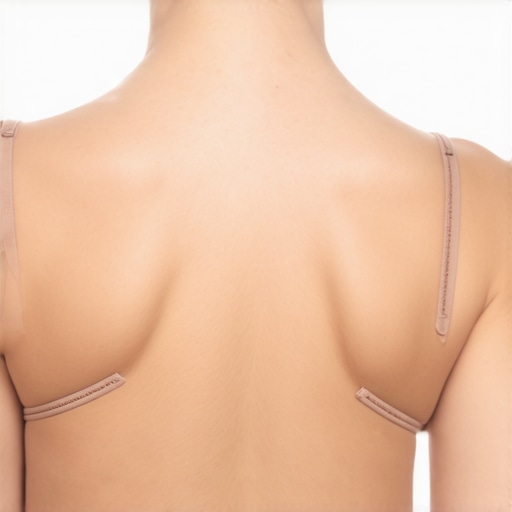
Have you ever found yourself wincing during a seemingly innocent moment—maybe while adjusting your seat or reaching for something—and suddenly realizing that your head throbs with an all-too-familiar ache? That sensation might not just be about stress or dehydration. Sometimes, it’s your wardrobe choices—like your bra straps—that are clandestinely pulling your neck and shoulders out of alignment, leading to chronic tension headaches. I remember the lightbulb moment when I finally connected my shoulder discomfort and headache pattern to a simple, overlooked cause: my bra straps too tight and improperly positioned. It was eye-opening and a bit embarrassing how a small adjustment revolutionized my comfort.
Assess and Adjust Your Sitting Position
Start by evaluating how you sit throughout the day. Imagine your spine as a stack of blocks, each needing to be aligned—any tilt or twist compromises the structure. For a specific overhaul, I recall adjusting my office chair’s height and lumbar support; it felt awkward initially, like trying on new shoes, but soon I noticed less back fatigue and more ease in movement. Check that your hips are at a 90-degree angle and feet flat on the floor. If your chair’s support isn’t ideal, consider [reviewing your workspace ergonomics](https://chiromasteryz.com/unlocking-better-posture-simple-adjustments-to-relieve-back-pain).
Implement Daily Mobility Drills
Open Up the Chest and Mid-Back
Think of your chest and upper back as a hinge that can get tight and stiff. Every day, perform simple stretches like the doorway chest opener or the wall slide to mobilize these areas. I once spent five minutes doing the wall slide in front of my mirror, and the next day, I felt a noticeable reduction in upper back slump and shoulder tension. Regularly performing these can prevent the chain reaction that causes neck and head pain. For deeper insights, check out [this guide on enhancing your mobility](https://chiromasteryz.com/enhance-your-mobility-expert-tips-for-easier-movement-in-2025).

Strengthen Key Postural Muscles
Balance isn’t just about stretching tight muscles but also strengthening weak ones. Focus on your scapular muscles to improve shoulder positioning. A common mistake is neglecting to activate these stabilizers, leading to slumped shoulders and neck strain. I used the scapular squeeze exercise during my lunch breaks, envisioning pinching a pencil between my shoulder blades; over a week, my posture improved markedly. Consistent activation of your upper back muscles supports proper alignment and lessens reliance on tension. Find personalized routines or [learn more about posture correction](https://chiromasteryz.com/unlocking-better-posture-simple-adjustments-to-relieve-back-pain).
Integrate Micro-Adjustments into Routine
Small, frequent changes can have compounded benefits. Pause every hour at your workstation to stand, stretch, or reset your posture. For example, shifting your hips side to side or doing gentle neck rolls can prevent stiffness. Picture your spine as a hinge that needs regular lubrication; neglect leads to squeaks and jamming. I experimented with brief stretches whenever I noticed my shoulders creeping forward, which gradually reprogrammed my brain to maintain proper neck alignment. These micro-movements, when habitual, significantly reduce tension buildup. To maximize the effect, explore [simple daily adjustments](https://chiromasteryz.com/daily-adjustments-to-alleviate-back-pain-and-improve-posture).
Prioritize Functional Movements and Habits
Engage in activities that promote natural spinal movement. Activities like lifting groceries correctly or standing from a seated position with your core engaged mimic real-life postures, reinforcing proper mechanics. A vivid memory involves learning to bend my knees and brace my core when lifting heavy objects, which prevented back strain and supported spinal health. Think of your spine as a flexible garden hose; bending and twisting it properly ensures water flows smoothly without leaks or bursts. Incorporate [functional movement drills](https://chiromasteryz.com/master-your-mobility-top-strategies-for-moving-without-pain) into daily life for sustained improvement.
Many individuals believe that maintaining perfect posture simply involves standing tall and sitting upright, but the reality is much more nuanced. A common myth is that all slouching or forward head positions are equally harmful, yet recent research suggests that the **type and context of your posture matter significantly**. For instance, sustained static postures are more detrimental than dynamic movements, even if both appear similar visually. Overcorrecting to an ‘ideal’ position without considering muscle balance can lead to increased tension and discomfort instead of relief. Moreover, many overlook the importance of *micro-movements* in daily routines—these small, frequent adjustments prevent stiffness and promote circulation, which is vital for tissue health.
A critical trap to avoid is the tendency to rely solely on external aids like posture braces or ergonomic chairs as the solution. These tools can sometimes create dependency or mask underlying muscular weaknesses. Focus instead on **strengthening stabilizers** and **mobilizing key areas** to foster resilient posture. For example, targeted exercises like scapular squeezes and thoracic rotations are often underestimated but are proven to reduce chronic tension when performed consistently. For a comprehensive approach, explore [this guide on enhancing your mobility](https://chiromasteryz.com/enhance-your-mobility-expert-tips-for-easier-movement-in-2025).
Why do some posture corrections backfire over time?
Many people implement aggressive posture corrections without considering their muscle imbalances. Overstrengthening certain muscles while neglecting others can create new misalignments, making pain worse—a pitfall I’ve seen repeatedly in practice. The concept of *dynamic stability* emphasizes that posture isn’t static; it depends on the harmonious function of muscles throughout your movements. Just focusing on keeping your shoulders back or chin tucked may lead to fatigue or tension in the neck and shoulders if not balanced with strengthening exercises that support these positions. As Dr. Esther Gokhale points out, restoring natural curves and movement patterns is essential for lasting relief, not just static alignment. To learn more about balanced postural strategies, check out [this expert resource](https://chiromasteryz.com/master-your-mobility-top-strategies-for-moving-without-pain).
Remember, the goal isn’t perfection but *functional resilience*. Avoid falling into the trap of rigid postures or over-reliance on external supports. Instead, tune into your body’s feedback, incorporate varied movements, and strengthen the supporting muscles that keep you healthy. Have you ever fallen into this trap? Let me know in the comments and share your experiences!
Maintaining a healthy posture over the long term requires more than occasional stretches and exercises; it demands a strategic approach with the right tools. Personally, I’ve found that investing in specific equipment and integrating effective techniques into my daily routine makes a significant difference. For example, I swear by a high-quality foam roller, which I use daily to target my thoracic spine and release tension accumulated from hours at the desk. The [trigger point therapy](https://chiromasteryz.com/enhance-your-mobility-expert-tips-for-easier-movement-in-2025) provided by my foam roller has helped me maintain mobility and prevent stiffness that could lead to pain over time.
Choosing the Right Mobility Tools
When selecting equipment, consider a set of resistance bands for strengthening your scapular stabilizers. I use a pair of medium resistance bands for scapular squeezes and face pulls each morning. These exercises are crucial because they reinforce muscle balance, supporting proper alignment. Additionally, a mobility stick or broom handle allows me to perform thoracic rotations, promoting spinal flexibility, which recent research indicates is vital for reducing tension buildup and facilitating better movement patterns. Incorporating these tools into my routine ensures that the muscles responsible for posture are actively supported, rather than just passively stretched.
Leveraging Technology for Consistency
To track progress and stay motivated, I rely on a simple app that prompts me for daily mobility drills and reminds me to adjust my workspace ergonomics periodically. Technology like wearable posture sensors is emerging, providing real-time feedback on actual postural deviations, making them indispensable for long-term maintenance. I predict that these devices will become standard for anyone serious about spinal health because they bridge the gap between awareness and action, preventing habits that undo our hard work.
How do I sustain posture improvements over years?
Long-term success hinges on consistency and periodic reassessment. Regularly reviewing your ergonomic setup using [related guides](https://chiromasteryz.com/unlocking-better-posture-simple-adjustments-to-relieve-back-pain) helps to fine-tune your environment as your activities evolve. Incorporating micro-movements—like frequent standing breaks or stretching—reduces stiffness and circulates nutrients to tissues, prolonging the benefits of your effort. As a tip, schedule monthly posture check-ins, either by self-assessment or consultation, to stay aligned with your goals and prevent regression. Remember, building habits surrounding these tools and routines creates a resilient foundation for posture that sustains its benefits over decades.
For further inspiration, check out [this latest guide](https://chiromasteryz.com/enhance-your-mobility-expert-tips-for-easier-movement-in-2025) on integrating advanced mobility strategies into daily life. I encourage you to try the thoracic rotation with a resistance band today—it’s simple, effective, and a game-changer for maintaining spinal flexibility and supporting good posture long-term.
Over years of practicing and refining my posture routines, I realized that my journey was filled with surprises—lessons that challenged my assumptions and led to deeper understanding. One crucial insight was realizing how subtle habits, like the way I seated myself or carried my bag, had outsized impacts on my spinal health. Learning to listen to my body’s signals and observing the small cues—like tighter neck muscles or a slight imbalance in my movements—helped me personalize my approach, making adjustments that truly worked for me. These experiences taught me that effective posture management isn’t just about following generic advice but tuning into what your body uniquely needs.
The Hidden Truth About Posture Myths That Held Me Back
- Myth of Static Perfection: I once believed that holding a ‘perfect’ posture meant staying perfectly still, but I learned that dynamic movement is key to maintaining spinal health.
- One-Size-Fits-All Solutions Don’t Work: Using fixed ergonomic setups or braces without addressing muscle imbalances only provided temporary relief, teaching me the importance of strengthening and mobility exercises.
- Flexibility Over Strength: I used to think stretching was enough, but I discovered that strengthening stabilizer muscles is equally vital to sustain good posture over time.
Tools That Revolutionized My Mobility Routine
- Foam Rollers and Trigger Point Tools: These became my go-to for releasing tension in tight muscles, especially around the thoracic spine, supporting long-term mobility.
- Resistance Bands for Postural Strength: Using bands for scapular squeezes and rows helped me build the muscles necessary for maintaining proper shoulder positioning.
- Mobility Apps and Wearable Sensors: Tracking my daily movements and receiving real-time feedback kept me accountable and motivated, making consistent progress achievable.