
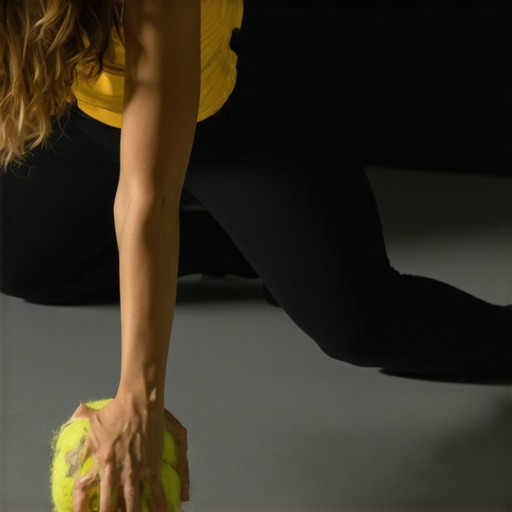
It was a day like any other, yet I found myself grimacing every time I stood up from my chair. A dull, persistent ache had crept into my hips, making every move feel like a chore. Frustration bubbled up—why was this happening again? I knew I wasn’t alone; countless folks battle tight hips and stubborn back discomfort that just refuse to get better despite all the stretches and exercises.
My Lightbulb Moment with Tennis Balls and How They Changed My Approach
One evening, while digging through my recovery tools, I stumbled upon a simple trick involving a tennis ball. Honestly, I was skeptical at first—how could something so small and plain make a real difference? But desperation often leads to the most surprising discoveries. I decided to give it a shot, and to my amazement, I felt tension melt away in places I didn’t even realize were clenched tight—my glutes.
This small, everyday item turned out to be a game-changer. I learned that targeting my glute muscles with a tennis ball was a gentle, effective way to release tightness and improve mobility. My initial mistake? I thought I needed complex equipment or costly massages to get relief. Trust me, that’s not always the case. Sometimes, the simplest tools—like a tennis ball—are all you need to start making meaningful change. Discover more mobility strategies here.
If you’ve ever woke up with a stiff or aching back, or find yourself unable to sit comfortably without pain, then this post is for you. Today, I promise to share how I use a tennis ball to loosen up tight glutes and ease those nagging pains that keep you from moving freely. This isn’t about intense workouts—it’s about gentle, targeted self-care you can do right in your living room.
Is the Tennis Ball Trick Just a Fad or Actually Effective?
Early on, I made a common mistake—thinking more pressure always meant better relief. Instead, I learned that patience and proper technique are key. The truth is, many people dismiss these simple tools because they underestimate how much they can achieve with just a tennis ball or two. Scientific studies support this approach—using soft tissue techniques like myofascial release can significantly improve mobility and reduce pain, especially when done correctly. Get expert tips on improving your mobility.
So, are you ready to see if this simple trick can help you, too? Let’s dive into how you can use a tennis ball to relieve tight glutes and get your back feeling better—not in weeks, but in minutes a day.
Pretend You’re a Sculptor: Carving Out Your Mobility
Think of your hips and lower back as a marble sculpture that’s become too stiff. The first step is gently loosening the exterior—your muscles—to reveal the freedom beneath. I remember a morning when my hips felt locked like frozen clay; I grabbed a tennis ball, positioned it under my glutes, and rolled slowly across the tender spots. It was messy—pillows slipped, sweat trickled—but within minutes, I felt a wave of relief ripple through my hips, like the sculpture slowly unfurling. This approach is about precision, patience, and understanding that small, targeted pressure can unlock big changes.
Set the Stage with Proper Positioning
Align Your Body Like a Building
Position is everything. Imagine building a house—if the foundation is crooked, everything else will be unstable. Sit on a firm, supportive surface, like a yoga block or a cushion, to elevate your hips slightly. This tilt helps open your pelvis and reduces unnecessary strain. When I first practiced this, I found that sitting upright with a little support under my sit bones instantly lessened discomfort. Remember, the goal isn’t to force straightness but to create a comfortable alignment that encourages natural movement.
Breath Deeply to Calm Tension
Before diving into rolling or stretches, take a few deep breaths—inhale through your nose, filling your belly, then exhale slowly through your mouth. Deep breathing relaxes your nervous system, making muscles more receptive to release. I often do a 3-count inhale, a slow exhale, and then proceed. This simple step prevents you from applying unnecessary pressure when your muscles are tense, similar to warming up a frozen rubber band before stretching it.
Apply Gentle, Targeted Pressure
Using the tennis ball, position it under your glutes or along the sides of your hips where you feel tension. Support your body with your hands and opposite leg to control pressure. Instead of pressing hard and bouncing, aim for small, sustained pressure—like a massage therapist just steadily easing into a knot. I recall lying on the floor, moving the ball slowly through tight spots, pausing when I felt discomfort, and breathing through it. This patience allowed my fascia to loosen gradually, reducing pain and increasing mobility.
Integrate Dynamic Movements for Lasting Relief
Once the muscles are released, introduce gentle movements to reinforce new flexibility. Think of your hips as doors that need to swing freely. Perform controlled hip circles, leg swings, or gentle lunges, paying attention to how your body responds. I learned that slowly moving through these motions, rather than rushing, helped reset muscle memory from tightness to ease. This process improves circulation and prevents the tightness from returning quickly.
Reassess and Make Small Adjustments Daily
Consistency is king. Instead of long, sporadic sessions, dedicate 5-10 minutes daily to these techniques. Over time, I noticed my morning stiffness waned, and I could sit longer without discomfort. Incorporate simple cues such as adjusting your sitting posture at your desk or doing micro-rolls when you feel tension creeping in. For more comprehensive strategies, explore this guide on mobility mastery. Remember, it’s a continuous process—small, daily tweaks accumulate into significant breakthroughs in relief and movement.
Many people believe that simply standing up straight or getting regular adjustments will solve their persistent back discomfort, but the reality is far more nuanced. A common misconception is that poor posture alone is the culprit—yet, in my experience, focusing solely on alignment often overlooks the complex interplay of fascia, muscle memory, and nervous system response. For instance, some assume that repetitive manual adjustments permanently fix misalignments, but studies show that without addressing underlying habits and movement patterns, the relief is often temporary. In fact, overly relying on adjustments can create a trap where the body expects continuous ‘fixes’ rather than healing itself through improved mobility and neural resilience. Moreover, many neglect the importance of understanding the body’s feedback loop—how tension, breathing patterns, and micro-movements influence pain. Advanced practitioners recognize that misinterpreting what tightness or discomfort signifies can lead to ineffective or counterproductive interventions. For example, applying deep pressure to ‘release’ fascia without considering that some tension is protective can worsen the issue or cause new restrictions. This is why integrating strategic mobility practices, like those outlined in expert mobility tips, is essential for long-term relief. Furthermore, it’s a myth that static stretches alone are sufficient; dynamic and neural mobility exercises often deliver better results. Remember, pain is not just a mechanical failure but a signal from the nervous system indicating dysfunction in movement or tension patterns. For a deep dive into techniques that target these nuanced factors, explore this comprehensive guide. Don’t fall prey to oversimplified solutions—your body deserves a holistic, informed approach.Maintaining your back health over time requires more than quick fixes; it demands consistent effort and the right tools. Personally, I rely on specific equipment that aligns with my philosophy of gentle, targeted care. One essential tool I swear by is a high-density foam roller. Unlike cheaper options, a quality foam roller provides the subtle resistance needed to effectively release fascia and stimulate blood flow without risking injury. I use mine daily after workouts and long sitting periods, especially focusing on the thoracic region to prevent hunching and stiffness. Another key component is a trigger point massage ball—similar to a tennis ball but designed for deeper myofascial release. I keep mine in my workspace for quick access, targeting tight hips and shoulders that can silently cause or exacerbate back pain. These tools have helped me build resilience against setbacks and improve my overall mobility.
How do I keep my mobility tools effective over time?
Regularly cleaning and inspecting them helps maintain their efficacy. For foam rollers, I wash them with soap and water weekly to prevent bacteria buildup. The massage balls should be replaced every 6-12 months, depending on wear. Incorporating these tools into a daily routine—like before bed or during breaks—ensures they’re part of your long-term strategy rather than occasional aids. As the trend of self-myofascial release gains popularity, it’s evident that integrating simple, quality tools into your daily habits is transforming how people manage pain and prevent injury.
In addition to physical tools, I strongly recommend leveraging proprioception-focused exercises, such as balance boards or stability discs, which activate deep core muscles and enhance neural control. These are especially useful for ensuring that improvements in mobility are sustainable. For example, a study by McGill et al. emphasizes the importance of neural adaptations for lasting pain relief and functional gains — you can explore these insights in-depth by visiting this cornerstone guide. Staying proactive with your maintenance tools and techniques is where many find themselves making the biggest gains, especially as the field moves toward smarter, personalized mobility solutions.
Lessons That Changed My Perspective on Back Pain and Mobility
One of the most profound lessons I learned was that back pain isn’t just about stiff muscles or poor posture—it’s deeply intertwined with how we breathe, move, and respond to everyday stresses. I once believed that quick fixes like adjustments could end chronic discomfort for good. But I realized that sustainable relief comes from understanding your body’s unique signals and tailoring gentle, consistent care. Another lightbulb moment was discovering that tools like tennis balls aren’t just toys—they’re powerful allies in releasing fascia and restoring mobility, if used with patience and proper technique. Lastly, I understood that approaching your mobility as an ongoing journey—rather than a one-time fix—shifts your mindset from frustration to empowerment, making every small effort count toward long-term health.
My Go-To Tools for Lasting Back Freedom
Over time, I found that quality tools can significantly amplify your self-care routine. A high-density foam roller remains my trusted companion—it’s durable, effective, and gentle enough for daily use. For targeted muscle release, a trigger point massage ball becomes invaluable; I keep mine within easy reach at my workspace. Additionally, incorporating proprioceptive devices like balance boards has helped me retrain neural pathways, fostering better control and resilience. I also recommend exploring well-reviewed books like this guide on mobility mastery, which deepen your understanding of movement patterns. These tools and resources have transformed my approach from reactive to proactive, enabling me to enjoy a pain-free life that feels natural and effortless.
Embrace Your Body’s Wisdom and Take the First Step Today
Remember, your body’s signals are a roadmap to greater mobility and comfort. Small, consistent actions—like a few minutes of targeted rolling or mindful breathing—can set you on a path of healing and strength. The journey toward better back health isn’t about perfection but persistence and gentle curiosity. I encourage you to listen to your body, experiment with new techniques, and celebrate each milestone along the way. The future of back pain management is within your reach—empower yourself with these simple, effective tools and start transforming your daily experience today.
What’s one small move you’re willing to try tomorrow to improve your back mobility? Share your thoughts below—I’d love to hear your story!