
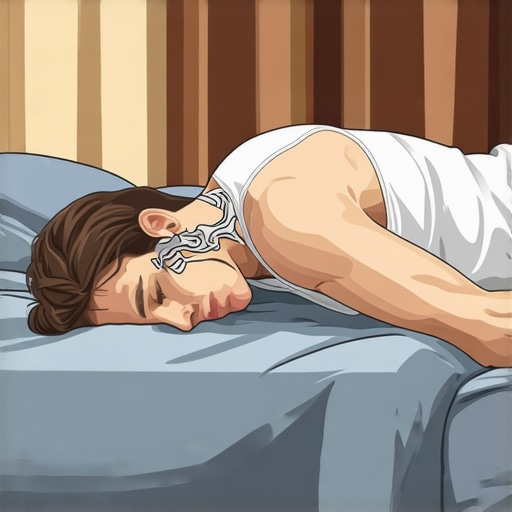
Ever woken up with a stiff neck or a pounding headache, only to realize you found your position in bed again—lying flat on your stomach? I used to think sleeping on my stomach was the only way I could get comfortable, especially after a long day. But one morning, I woke up with an unbearable neck cramp that wouldn’t go away. It was a lightbulb moment for me, realizing that my sleep position was silently wrecking my cervical spine.
Sleeping Face-Down: The Silent Culprit Behind Neck and Back Pain
Now, I want to ask you—have you ever experienced waking up feeling more tense than when you went to bed? That persistent ache or tightness in your neck or shoulders might be your body’s way of telling you something is off. Sleeping on your stomach forces your neck into a twisted, unnatural position, putting immense strain on your cervical vertebrae. Over time, this can lead to chronic neck pain, headaches, and even nerve irritation.
Is Your Favorite Sleeping Position Worth the Hype?
Initially, I believed that sleeping face-down was just a personal preference, nothing more. I made the mistake of dismissing my discomfort as just ‘part of the deal.’ Early on, I failed to recognize the impact of this habit on my posture and overall spinal health. It’s common to underestimate how much our sleep habits can influence daily aches and pains. Trust me, I’ve been there—thinking stubbornly that my position wasn’t a big deal until everything started hurting.
Research confirms that consistent pressure and unnatural positioning during sleep can accelerate degenerative changes in the cervical spine. Turning over in bed might seem trivial, but the long-term effects are significant. That’s why I dedicated myself to understanding better sleep positions and how to correct them, which I now share with others seeking relief and improved posture.
The good news? Small changes can make a remarkable difference. In the upcoming sections, I’ll guide you through practical adjustments and exercises to protect your neck and restore better sleep quality. Ready to take control of your sleep habits and say goodbye to those morning stiffnesses? Let’s dive in.
For more tips on maintaining a healthy spine during your daily routines, check out this comprehensive mobility guide.
Adjust Your Sleeping Setup for Better Necks
Start by evaluating your pillow height and firmness. A pillow that’s too high or stiff forces your neck into a bent position, similar to looking over a tall fence daily. I remember swapping my firm pillow for a softer, ergonomic one, and overnight, my shoulder tension decreased. Opt for a pillow supporting the natural curve of your neck, like memory foam or a cervical pillow. If you sleep on your side, ensuring your pillow fills the space between your ear and shoulder prevents your head from tilting downward or upward, which can strain neck muscles. For back sleepers, a thinner pillow maintains proper alignment. Use a pillow under your knees if you sleep on your back; this relieves pressure on your lumbar spine and helps maintain a neutral neck. Regularly replacing old, flattened pillows prevents deterioration that could compromise your posture.
Implement Micro-Adjustments During Sleep
Reposition Yourself Without Disrupting Comfort
Getting out of the habit of flipping onto your stomach requires conscious effort. Instead, try gently shifting your position during the night to avoid adopting a twisted neck posture. I kept a bedside mirror to remind myself to adjust in ways that keep my spine aligned, which surprisingly increased my sleep quality. Using a body pillow can help maintain your preferred side position and discourage tummy sleeping. When you wake, avoid jerking back into the same position; instead, roll slowly onto your back or side with mindful movement. This practice prevents cumulative strain from awkward postures.
Use Strategic Bedding for Support
Layering with a supportive mattress and bedding can act as an external aid to maintain better posture. A firm mattress prevents sagging that could cause you to twist your neck to find comfort. Incorporate a rolled towel or neck roll pillow for added cervical support during side sleeping. These simple modifications help keep your neck in a neutral position throughout the night, reducing stiffness in the morning.
Train Your Body Through Morning Moves
Incorporate gentle mobility exercises right after waking. For example, the wall slide can reset your upper back and neck alignment, preventing tightness buildup. I started with a quick 2-minute routine, rotating my shoulders and gently stretching my neck side to side. Consistency here prevents waking up with tension, as muscles remember the proper alignment over time. These short movements are like tuning your posture engine daily, decreasing reliance on uncomfortable positions during sleep.
Morning and Night Routine for Lasting Relief
Before bed, perform relaxing stretches targeting neck and shoulder muscles. Gentle isometric holds or soft neck rolls reduce stiffness and prepare your muscles for proper support overnight. During the day, avoid prolonged static positions—standing or sitting without movement stresses your cervical spine. Alternating between sitting and standing, and engaging in mobility exercises like these mobility drills, helps keep your muscles balanced and prevents sleep-disrupting tension. Pay attention to how your daily habits influence your sleep posture: ergonomic workstations, proper footwear, and avoiding slouching all contribute to a healthier neck. Integrating these micro-adjustments continuously results in lasting improvements, making morning stiffness a thing of the past and safeguarding your long-term neck health.
When it comes to posture and back health, many of us are misled by popular misconceptions that can hamper progress. A prevalent myth is that simply strengthening core muscles will automatically fix poor posture. While core stability is important, focusing solely on isolated exercises often ignores the complex interplay of joint mobility, neuromuscular control, and habitual movement patterns. Overemphasizing isolated strengthening can lead to an imbalance where tight muscles are neglected, turning a simple weakness into a source of pain. Advanced practitioners understand that improving posture requires a nuanced approach that integrates mobility, strength, and coordination, rather than relying on universal prescriptions.
Beware the Trap of Oversimplified Fixes
One recurring mistake is believing that the latest gadgets or posture braces are the ultimate solution. These tools can create a false sense of security, causing you to ignore underlying issues like restricted joint mobility or dysfunctional movement patterns. For example, relying solely on a posture brace without addressing the root causes can weaken your intrinsic muscle support over time, making your spine more vulnerable. According to a study published in Spine, excessive reliance on external supports may hinder the development of natural muscular stability, leading to dependency and additional problems in the long run. Therefore, a comprehensive evaluation is essential before adopting any corrective device.
Furthermore, many individuals fall into the trap of ignoring the importance of mobility and dynamic movement. Flexibility and movement variability are vital to maintaining a resilient spine. When joints become stiff or restricted, compensatory patterns develop, increasing strain and risk of injury. This is why advanced correction involves not just static postural adjustments but dynamic, functional movements tailored to your unique biomechanics. Moving beyond generic stretches and exercises is crucial—individualized programs are more effective in promoting lasting change.
Let me pose an advanced question: How can you identify whether persistent pain stems from structural issues or neuromuscular dysfunction? The answer lies in detailed assessments, such as functional movement screens and nerve gliding tests, which help pinpoint the root causes. Visiting a professional who understands these nuances ensures your correction strategy targets the specific dysfunction rather than merely alleviating symptoms temporarily. For a deeper dive into differentiating muscular from structural pain, explore this insightful guide.
In summary, the common pitfalls in posture correction stem from oversimplification, reliance on external devices, and neglect of complex mobility factors. To truly optimize your spine health, embrace a holistic, science-backed approach that considers mobility, stability, and individual biomechanics. Avoid quick fixes; instead, invest in tailored assessments and gradual, consistent adjustments. Ready to elevate your understanding and see real results? Dive into the comprehensive posture improvement strategies and start making informed choices today. And hey, have you ever fallen into this trap? Let me know in the comments.
Keep It Working: Tools I Recommend for Lasting Posture Improvements
Ensuring your posture and mobility benefits from consistent maintenance requires more than just awareness—it calls for the right equipment and disciplined routines. Over the years, I’ve honed a collection of specific tools that make long-term progress sustainable and manageable. These aren’t generic gadgets; they are carefully chosen to target common stagnation points and facilitate self-care between professional adjustments.
One staple in my arsenal is the Foam Roller. I prefer a grid pattern foam roller because it effectively releases my tight fascia and muscle adhesions, especially around the thoracic spine—as suggested in expert mobility guides. Regularly rolling out your upper back not only reduces stiffness but also enhances your body’s ability to move freely, which is crucial for maintaining posture. I incorporate daily 5-minute sessions, focusing on the areas that tend to tighten from prolonged sitting or poor sleeping positions.

Another invaluable tool is the Trigger Point Tennis Ball. Small, portable, and highly effective, it allows me to precisely target tender spots in my glutes, piriformis, or hip flexors. Using these balls during short breaks helps prevent the buildup of knots that can pull your pelvis out of alignment, contributing to low back pain. Spend 2-3 minutes rolling each area, and you’ll notice improved joint mobility and reduced discomfort in everyday movements.
On the software side, I rely heavily on mobility tracking apps. They remind me to perform scheduled stretches and movement drills, reinforcing consistency. With the rise of wearable tech, it’s foreseeable that in the future, integrated sensors will monitor your posture in real time, alerting you to slouching or uneven loading—much like what leading ergonomic research predicts for 2025 and beyond.
Personal accountability is essential. To that end, I set up regular self-assessment routines, including posture self-checks. Watching for asymmetries or stiffness helps me adjust my habits proactively rather than reactively.
How do I maintain my mobility over time?
Consistency is key; I dedicate 10-15 minutes daily for a combined routine of foam rolling, targeted stretching, and mobility drills like the wall slide. I also schedule periodic check-ins with my chiropractor to reassess and refine my routines, ensuring that I address new or lingering issues before they become chronic problems. Additionally, I stay educated by following reputable sources and adapting my tools as new techniques emerge—like the recent evidence supporting nerve gliding exercises to prevent sciatic flare-ups, as noted in recent clinical research.
In the end, maintaining your posture and mobility isn’t about quick fixes—it’s about integrating effective tools into your daily life. I encourage you to try rolling with a foam roller tonight and observe how it relaxes your upper back and shoulders. Small, consistent steps lead to impressive, long-lasting results.
If you’re serious about this journey, explore my recommended routines and consider consulting a mobility specialist for personalized advice. Remember, investing in the right tools and habits today will pay dividends in pain-free, effortless movement tomorrow.
,
The Hardest Lesson I Learned About Posture and Mobility
One of the most profound realizations came when I discovered that my habitual sleeping position was the root cause of my chronic neck pain. It wasn’t just about stretching or strengthening—understanding how my daily habits and subconscious choices affected my spinal health revolutionized my entire approach. That lightbulb moment taught me to be more mindful of every movement, which dramatically improved my quality of life.
Why External Supports Can Hold You Back
I used to rely heavily on posture braces and gadgets, believing they were the ultimate fix. Over time, I realized that these external supports often hinder your body’s natural ability to stabilize and adjust itself. True progress comes from integrating mobility exercises and neuromuscular control rather than depending solely on external devices. Learning this shifted my focus toward sustainable, active solutions that empower real change.
The Power of Small, Consistent Adjustments
Patience and consistency became my allies. Simple practices like nightly foam rolling, mindful repositioning during sleep, and daily mobility drills created compounding benefits. The key insight was that these micro-adjustments, performed regularly, can prevent pain before it even starts, turning a reactive approach into a proactive one. This mindset transformed my long-term prospects for spinal health.
The Misconception About Core and Posture
I initially believed that strengthening my core alone would solve all my posture issues. But I learned that mobility, joint health, and movement patterns are equally critical. Addressing only one aspect creates imbalance, which can worsen discomfort. A holistic approach—combining strength, flexibility, and neuromuscular control—is what truly unlocks lasting improvements, a lesson I wish I had embraced sooner.
Curated Tools That Make a Difference
My journey led me to select tools that genuinely facilitate progress. The foam roller became a staple for fascia release and enhancing mobility. The trigger point tennis ball offers targeted relief for knots that disrupt proper alignment. Plus, using mobility tracking apps keeps me accountable and provides data-driven insights. These are the tools that support consistent, effective self-care routines.
Your Next Step Toward Pain-Free Movement
Embracing these lessons means committing to a lifelong mindset of curiosity and proactive health management. Start small, stay consistent, and prioritize understanding how your habits shape your spine’s health. The future of posture and mobility is within your control—every conscious choice today sets the foundation for a more comfortable tomorrow. Would you be willing to reevaluate your sleep and daily habits to unlock this transformational change?
Share your experiences or questions below—I’d love to hear how you plan to apply these insights to improve your posture and mobility. Remember, small steps today lead to lasting change in your movement and well-being.
,