
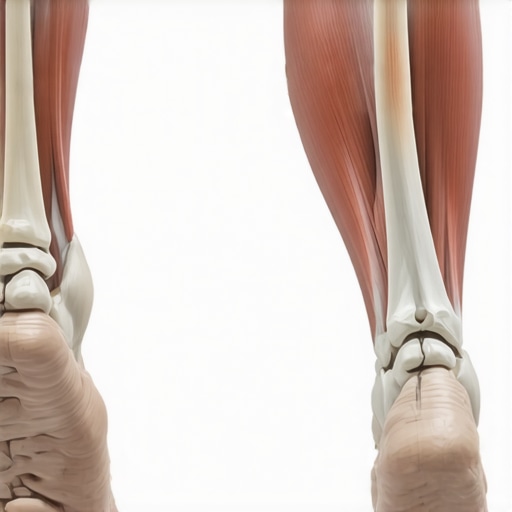
I remember the day I finally realized why my back had been acting up for months. I was limping out of bed, feeling a sharp twinge after just a short walk, and it hit me—one of my feet was flatter than the other. That imbalance was throwing off my whole posture, causing compensations that tugged on my back muscles and spine. It was a lightbulb moment that changed everything.
< h2 >Understanding the Foot-Back Connection< /h2 >
This experience isn’t unique. Many people overlook how tiny differences in our feet can lead to big back problems. When one foot flattens more than the other, it disrupts your natural gait, shifts your pelvis, and pulls your back out of alignment. Over time, this imbalance can cause pain, stiffness, and even long-term injury. The good news? Once you know the cause, there are practical steps to fix it and reduce back pain.
But first, I want to address a question I often hear: “Is this really worth worrying about?” Some folks dismiss foot imbalances as minor or just a part of aging. I get it—I used to think that way too. Early on, I made the mistake of ignoring foot discomfort and relying solely on back stretches, which only provided temporary relief. That mistake delayed my recovery and made my situation worse.
Recent research underscores just how significant your foot health is. A study published in the Journal of Orthopedic & Sports Physical Therapy highlighted that correcting foot imbalances can dramatically improve posture and alleviate back pain. So yes, it’s a problem worth paying attention to.
Now, if you’ve ever experienced persistent back pain, especially after physical activity or standing for long periods, chances are your foot imbalance is part of the puzzle. In the sections ahead, I’ll guide you through simple techniques to assess and correct this issue. Ready to start uncovering how your feet might be sabotaging your back health? Let’s dive into the practical solutions that can make a real difference.
Assess Your Foot Arch and Gait
Start by observing how you walk. Do you notice one foot rolling inward more than the other? A simple way is to wear tight-fitting shoes and watch your feet in a mirror or ask a friend to observe. If you see your arch collapsing more on one side or an uneven stride, it indicates a potential imbalance. I once caught this during a quick walk around my house, noticing my left foot was flatter when I looked down while walking. Identifying this is the first crucial step.
Use a Self-Assessment or Get a Professional Evaluation
While visual checks help, a more precise assessment involves standing on a dry, flat surface and examining the footprints or consulting a podiatrist. A simple test is the ‘wet footprint’—wet your feet and walk on a piece of paper. A wide, low footprint suggests flat feet or overpronation. This data guides your correction strategy. I did this at home and realized my left foot left more of a print, confirming the imbalance. Acting on it made noticeable differences over time.
Select Corrective Footwear and Support Devices
Choosing the right shoes with proper arch support is vital. Look for footwear that stabilizes your arches and reduces overpronation. Custom orthotics can provide targeted correction—these are like the shock absorbers for your feet, redistributing pressure evenly. For example, I replaced my worn-out insoles with custom orthotics, which immediately improved my gait and reduced back discomfort. Consider visiting a specialist for personalized advice.
Implement Foot Exercises for Strength and Flexibility
Strengthening the intrinsic muscles of your feet corrects collapses and imbalances. Simple exercises like toe curls, picking up marbles, and arch lifts are effective. For instance, I dedicated five minutes daily to toe curls—lifting and spreading my toes then gripping the floor—which gradually improved my arch height, leading to a more aligned gait. Consistency is key; these small movements have a compounding effect on posture.
Adjust Your Walking and Standing Habits
Be mindful of how you stand and walk throughout the day. Distribute your weight evenly, avoid leaning heavily on one side, and take frequent breaks if you stand for long periods. A good trick I used was to consciously shift my weight from heel to toe with each step, actively engaging my foot muscles. Over time, this retraining helped stabilize my gait, reducing strain on my pelvis and back.
Incorporate Mobility and Posture Exercises
Mobility drills focus on integrating foot correction with spine and pelvis health. Exercises like ankle circles, calf stretches, and pelvic tilts work synergistically to improve overall alignment. I combined ankle mobility drills with my foot support routine, which kept my pelvis centered and improved my back pain. For more detailed routines, consider exploring [mobility mastery exercises](https://chiromasteryz.com/mobility-mastery-simple-exercises-to-relieve-chronic-back-pain).
Monitor Progress and Seek Professional Support
Track your improvements by noting reductions in back pain and gait changes. If relief is slow or symptoms persist, consult a healthcare professional—especially if pain worsens. Professionals can offer targeted treatments like manual therapy or specific adjustments that complement your corrective efforts. I eventually visited a chiropractor, who fine-tuned my pelvic alignment, transforming my posture and eliminating residual pain. For tailored assistance, visit [contact us](https://chiromasteryz.com/contact-us-2).
Many assume that chronic back pain primarily stems from structural issues or muscle weakness, but this oversimplification overlooks critical nuances. For instance, the widespread belief that only intense physical activity causes back pain misses the reality that poor habitual habits, subtle misalignments, and even daily posture tweaks can be the true culprits. Advanced practitioners understand that focusing solely on symptoms, like nerve irritation or muscle tightness, neglects underlying biomechanical patterns that perpetuate pain over time. An often-overlooked mistake is neglecting the influence of foot mechanics and subtle pelvic tilts, which can silently undermine spinal health. Research indicates that addressing these foundational imbalances yields more durable relief than quick fixes or symptomatic treatments alone. For example, correcting pelvic tilt angles can significantly reduce back strain, as highlighted in a study published in the Journal of Orthopedic & Sports Physical Therapy. Recognizing this, many experts advocate for comprehensive assessments that include gait analysis and detailed postural evaluations rather than superficial treatments. Moreover, the common myth that every adjustment provides long-term benefits can lead to over-reliance on chiropractic tweaks without empowering patients to understand their daily habits. It’s crucial to integrate mobility exercises, lifestyle modifications, and awareness of compensatory patterns to achieve sustainable improvement. A helpful approach involves combining routine adjustments with targeted mobility and posture strategies, like those described in our articles on mobility mastery and posture correction secrets. Remember, back health isn’t just about cracking vertebrae; it’s about understanding the intricate web of factors that influence spinal mechanics. If you’re tempted to focus only on the pain point, reconsider the bigger picture—your entire movement and lifestyle habits. Have you ever fallen into this trap? Let me know in the comments. For a comprehensive plan that addresses root causes, consider reaching out for personalized guidance via our contact form.Maintaining a healthy back is an ongoing journey that benefits from the right tools and routines. Personally, I rely on specific equipment that keep my posture aligned and mobility optimized over time. One of my favorite tools is the **Tennis Ball Foam Roller**, which I use daily to release tight muscles and trigger points that can cause back strain. Unlike traditional foam rollers, the tennis ball offers targeted relief for the smaller muscles and fascia around the spine, helping prevent chronic tension from building up.
Another critical aspect is tracking your progress. I utilize software like **Pain Tracking Apps** such as MyPainDiary, which allows me to monitor pain patterns and adjust my routines accordingly. This data-driven approach ensures I can identify triggers early, whether it’s a particular movement or posture habit that needs correction.
When it comes to mobility, I swear by the **Mobility Wedges**—small, wedge-shaped tools that elevate and position joints during stretches. They help deepen stretches safely and improve joint range of motion. I incorporated **The Knee-Flex Wedge** into my routine to enhance my hip and knee mobility, which directly benefits my lower back health.
For postural improvement, **Smart Posture Correctors** with biofeedback features have been invaluable. They notify me if I slump or lean improperly during daily activities, reinforcing good habits. Technology like the Upright GO provides real-time feedback, which accelerates habit formation and helps maintain proper posture throughout the day.
Looking ahead, the trend is moving towards integrating wearable sensors with AI-driven insights for real-time posture correction and movement optimization. As this technology advances, personalized feedback will become even more accessible and precise, making long-term maintenance easier and more effective.
If you’re serious about maintaining your back health, I recommend starting with a simple **Trigger Point Tennis Ball** session combined with daily posture checks using a posture app. For a comprehensive routine tailored to your needs, consider consulting with a professional through our contact page. Remember, consistent use of these tools has profound effects over months, not days. To help you get started, try incorporating a 5-minute tennis ball release session into your daily routine—your back will thank you.
**Prompt for image**: Close-up of a person using a tennis ball to release tension on their lower back, emphasizing self-myofascial release techniques for back pain relief.
Over the years, I found that my greatest breakthroughs in back health came when I paid close attention to the often-overlooked connection between my feet and spine. My revelatory moment was understanding that subtle imbalances in my feet could ripple upward, causing persistent back discomfort. That led me to explore personalized corrections and lifestyle habits that truly made a difference, transforming my approach from temporary fixes to sustainable solutions.
Lessons That Changed My Approach to Back Care
- Don’t dismiss small imbalances: Tiny differences in foot arch height or gait can have outsized effects on your back. Recognizing these cues early can prevent chronic issues.
- Professionals add value: Getting a detailed gait analysis or a podiatrist’s opinion helped me target my corrections more precisely than self-assessment alone.
- Consistency over intensity: Regularly performing foot exercises and habit adjustments built the foundation for ongoing relief, proving that small daily actions surpass sporadic intense routines.
- Holistic integration matters: Combining foot support, mobility exercises, and posture awareness created a synergy that sustained my back health over time.
- Technology can accelerate progress: Using tools like posture feedback devices and mobility wedges cues me to maintain good habits naturally throughout the day.
Tools That Became My Back Health Allies
- Custom orthotics: Supporting my arches made an immediate difference in gait and reduced back stress—trust a specialist to guide your choices.
- Trigger point tennis balls: Daily myofascial release kept tension at bay and empowered me to manage discomfort proactively.
- Mobility wedges: Deepening my stretches with these simple tools enhanced joint and muscle flexibility, improving alignment.
- Posture feedback apps: Real-time alerts kept me conscious of habits that could undo my progress, cementing new movement patterns.
Keep Moving Forward With Purpose
Embracing a proactive stance toward foot health and posture transformed my back pain story. The tools and techniques I’ve shared are stepping stones you can adapt for your journey—remember, sustainable relief arises from small, consistent actions that respect your unique anatomy. If you’re eager to explore tailored solutions, don’t hesitate to reach out for expert guidance. Your path to a resilient, pain-free back starts now, one mindful step at a time.