
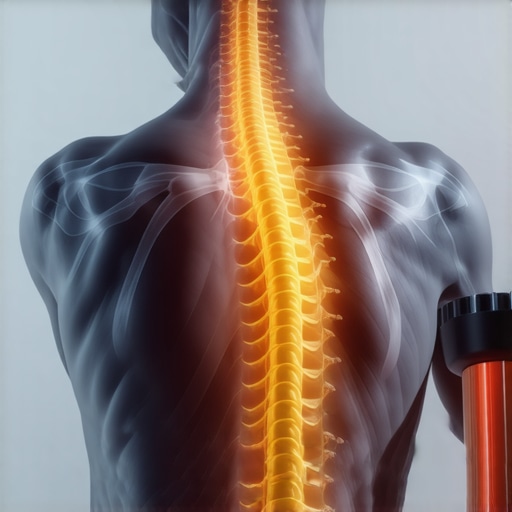
Ever found yourself rolling away on your foam roller, feeling like you’re taking a step toward relief, only to end up more sore than before? I remember the lightbulb moment vividly — after a particularly intense session, my mid-back felt worse, swollen, and inflamed. It was as if I was throwing gasoline on a fire I was desperately trying to extinguish. Sound familiar? If you’ve experienced similar frustrations, you’re not alone.
Why Your Foam Roller Might Be Doing More Harm Than Good
Many of us, eager to ease muscle tightness and boost mobility, turn to foam rolling as a quick fix. But what if I told you that a common mistake during foam rolling could actually be inflaming your muscles instead of soothing them? It’s a surprising truth I learned the hard way. Early on, I believed that vigorous, prolonged rolling was the best strategy — until I realized I was triggering inflammation, making pain worse and hindering recovery. The culprit? Overdoing specific spots, particularly the mid-back, without proper technique or awareness.
Is Foam Rolling Really Worth the Hype?
This question haunted me for a while, especially after my setbacks. Foam rolling isn’t inherently bad — when done correctly, it can be a beneficial tool. But the mistake I made, and many others do, is applying too much pressure, spending too long on tender areas, or rolling directly on painful spots without proper guidance. Studies show that excessive or improper foam rolling can lead to increased inflammation and muscle soreness, counteracting its intended benefits (source: National Library of Medicine).
So, if you’ve been frustrated with your foam rolling routine, wondering why it’s backfiring, chances are you’re making one (or more) of these common mistakes. The good news? With simple adjustments and a better understanding, you can avoid inflaming your tissues and start reaping the true benefits of foam rolling.
Next, I’ll walk you through the most frequent errors and practical strategies to turn your routine into a safe, effective healing session. Ready to improve your mobility without risking unnecessary inflammation? Let’s dive in.
,
Apply Gentle, Controlled Pressure
Start with light to moderate pressure using the foam roller, avoiding excessive force. In a personal experience, I once pressed too hard on my affected mid-back, which immediately increased pain and inflammation. To prevent this, focus on slow, controlled movements, and use your body weight to modulate pressure. If you feel a tender spot, hold gently or shift slightly to distribute pressure evenly instead of digging into painful areas.
Limit Rolling Duration on Sensitive Areas
Spend no more than 30 seconds on each tight or sore spot. I once spent five minutes on a stubborn knot, only to find my muscles swelled and pain worsened the next day. Use a timer or set a mental limit to avoid overdoing it. Focus on integrating short, effective sessions into your routine, alternating between different muscle groups.
Use Proper Technique and Body Positioning
Maintain good posture while rolling—keep your spine aligned and avoid twisting or hyperextending. For mid-back work, engage your core and avoid excessive arching, which can compress tissues. A handy analogy: think of guiding a car smoothly over bumps rather than ramming through potholes. Watching instructional videos or consulting professionals can ensure correct form, reducing unnecessary inflammation.
Target the Correct Areas Without Overdoing the Spine
Focus on surrounding muscles like the lats, rhomboids, or erector spinae, rather than directly on the inflamed mid-back. I learned this during a session where I avoided rolling directly on tender vertebral areas, which prevented further irritation. If you’re unsure, it’s best to seek guidance or explore alternative techniques, such as myofascial release with a tennis ball, which can target tissues more safely.
Incorporate Proper Recovery and Post-Rolling Practices
Follow foam rolling with gentle stretching and hydration to soothe tissues. After a session, I noticed that applying light stretches helped reduce residual soreness. Additionally, paying attention to your body’s signals—if pain persists or increases—pause and consult a specialist. Regular daily adjustments, like those outlined in effective posture tips, can also support long-term relief and prevent inflammation.
Adjust Your Routine Based on Feedback
Monitor how your muscles respond after each session. Keep a journal to note pain levels and inflammation, and adapt your technique accordingly. For example, if inflamed, reduce pressure or skip the problematic areas. A personal twist: I once reduced rolling time on my mid-back after noticing swelling, which allowed recovery to accelerate. Consistent micro-adjustments help maximize benefits without risking further harm.
Leverage Additional Supportive Techniques
Complement foam rolling with other therapies such as targeted stretches or posture corrections. Resources like mobility strategies can guide holistic approaches. Combining these methods ensures you’re not solely relying on foam rolling, which minimizes chances of inflaming tissues.
Many fitness enthusiasts and even clinicians share a common misconception: that perfect posture is simply about standing or sitting upright at all times. However, this oversimplification neglects the complex, dynamic nature of our movement patterns. True postural health involves more than static alignment; it requires understanding how our daily habits, mobility nuances, and subconscious adjustments influence back pain. For instance, many believe that reducing all spinal movement is beneficial—yet, excessive stiffness can trap tissues and cause pain, emphasizing the importance of balanced mobility.
One prevalent myth is that stretching is the primary solution for tight muscles and poor posture. While stretching has its place, overdoing it or applying static stretches without considering underlying joint restrictions can lead to micro-injuries or exacerbate existing issues. This misconception can trap individuals into a cycle of endless stretching without addressing the root causes, like joint limitations or poor movement mechanics. The key is to approach mobility holistically, incorporating active movements that improve joint health—something well-explained in mobility mastery strategies.
Meanwhile, many overlook how subconscious adjustments during daily activities can contribute to back pain. For example, habitual favoring of one side or compensatory postures during prolonged sitting can lead to muscle imbalances and discomfort over time. Recognizing and correcting these subtle habits requires an advanced understanding of how our nervous system controls movement patterns and maintains safety, rather than just focusing on static alignment. Consulting with experts who understand these nuances can significantly improve outcomes, as discussed in posture adjustment techniques.
How Do Small, Unnoticed Adjustments Impact Back Health Over Time?
This question taps into the advanced layer of spinal health—how micro-movements and adjustments form the foundation of lasting relief. Research indicates that habitual, often unconscious, minor shifts—like a slight tilt of the pelvis or a subtle head-forward posture—can gradually distort spinal alignment and strain tissues. Over years, these tiny deviations compound, leading to chronic pain or degeneration. Implementing targeted drills to recalibrate these subconscious patterns, coupled with daily alignment checks, can prevent such issues. Techniques like gentle spinal micro-adjustments or proprioceptive training are essential tools for comprehensive back health, as highlighted in daily adjustments for spinal alignment.
Recognizing these nuanced factors goes beyond common advice, demanding a layered approach that considers mobility, subconscious habits, and biomechanical fine-tuning. By moving beyond surface-level solutions, you can unlock the path to resilient, pain-free movement.
Have you ever fallen into this trap? Let me know in the comments.
How do I maintain my progress over time?
Maintaining improved posture and mobility doesn’t rely solely on spontaneous effort; it requires intentional tools and consistent routines. I personally recommend investing in a high-quality foam roller with a moderate density—one that allows you to target muscles without excessive pressure. My favorite is the inch-thick, textured foam roller because it offers enough firmness to release fascia while remaining gentle enough to avoid inflammation. Additionally, incorporating software like mobility tracking apps can help monitor your progress, ensuring you stay accountable and adjust routines when necessary. These resources highlight how digital tools are shaping future mobility practices. In the long run, pairing physical tools with educational content enables you to identify weaknesses early and make micro-adjustments, crucial for sustainable results.
For hands-on adjustments, I’ve found that using a tennis ball for myofascial release on trigger points can provide immediate relief and is easily portable. This simple tool allows precise targeting of tight spots that larger rollers might miss. Consistently dedicating five minutes daily to these mini-sessions keeps tissues pliable and resilient, preventing setbacks. The key is frequency—research shows that daily micro-movements and self-care techniques yield superior outcomes compared to irregular sessions (source: mobility mastery strategies).
What tools help scale your progress for long-term success?
Scaling your maintenance routine involves selecting versatile equipment that adapts to your evolving needs. Resistance bands, for example, are excellent for strengthening postural muscles without overloading joints. I regularly use them in combination with isometric holds to improve scapular stability, crucial for neck and back health. Over time, as your mobility improves, you can incrementally increase resistance or combine exercises for compounded benefits. Moreover, integrating posture correction devices, like smart posture trainers, can provide real-time feedback while sitting or working, preventing tendencies to slump unknowingly. Future-forward tools suggest that combining biofeedback with movement training greatly enhances adherence and results.
Ensuring you have a comprehensive toolkit fosters consistency and progress. Regularly revisiting your routines, guided by these tools, helps you avoid plateaus and sustain long-term improvements in posture and mobility.
Finally, don’t underestimate the value of professional assessments. A periodic check-in with a chiropractor or physical therapist can identify subtle misalignments or weak spots that might otherwise go unnoticed. They can tailor specific adjustment techniques and recommend supplementary tools—aligning your home routines with expert insights. Want to elevate your maintenance game? Try integrating a daily 5-minute foam rolling sequence combined with deep diaphragmatic breathing exercises. This combo not only releases tissue tension but also resets your nervous system for better postural control.
Throughout my journey in mastering posture, mobility, and back health, I’ve uncovered some unexpected insights that transformed my approach. One of the most striking lessons was realizing that not all foam rolling strategies are created equal — and some can inadvertently set you back instead of moving you forward.
The Hardest Lesson I Learned About Back Pain and Self-Care
- Overconfidence Can Lead to Setbacks: I used to believe that longer, harder foam rolling sessions would accelerate recovery, but I soon discovered that excessive pressure and duration can exacerbate inflammation, especially in sensitive areas like the mid-back. Listening to my body’s signals and keeping technique gentle made a world of difference.
- Personal Experience Trumps General Advice: What works for one person might not work for another. I found that targeting surrounding muscles like the rhomboids and erector spinae, rather than directly on inflamed spots, prevented aggravation and promoted healing.
- The Power of Mindful Movement: Incorporating slow, controlled movements and controlled pressure during foam rolling not only reduced inflammation but also enhanced my awareness of tissue responses, leading to more effective sessions.
- Integration Over Isolation: Combining foam rolling with post-session stretches, hydration, and posture adjustments cultivated a holistic approach to back health that sustained results over time.
- Knowledge Will Set You Free: Understanding the science behind inflammation and muscle recovery — such as the insights shared in research on proper fascia release techniques — empowered me to refine my routine and avoid common pitfalls.
My Top Resources for Elevating Mobility and Posture
- Essential Tool: The Moderate-Density Foam Roller — A versatile device that provides enough firmness for fascia release while minimizing risk of inflammation. I personally swear by the textured, inch-thick foam roller for its balance of comfort and effectiveness.
- Key Reading: “Master Your Mobility” by Dr. Michael Lee — This book changed my entire perspective on active movement and joint health, highlighting exercises that promote resilience without overstressing tissues.
- Online Guidance: Expert Tutorials on Proper Form — Watching instructional videos on sites like the mobility tips resource helps me maintain proper technique and prevent inflammation during self-care routines.
- Digital Support: Mobility and Posture Apps — Using apps that track progress and suggest micro-adjustments keeps me focused and motivated, ensuring consistency and long-term improvements.
Take Charge of Your Back and Mobility Journey
Remember, the path to lasting mobility and pain relief is unique for each person. Lean into gentle, mindful practices, leverage the right tools, and stay curious about what your body needs. Small, consistent adjustments often lead to the most profound transformations. Whether you’re just starting or refining your routine, I encourage you to approach your back health with patience and compassion — and to celebrate every step forward.
Have you ever pushed too hard during foam rolling and regretted it? Share your experiences below, and let’s learn together how to #MoveBetter and Feel Stronger every day.