
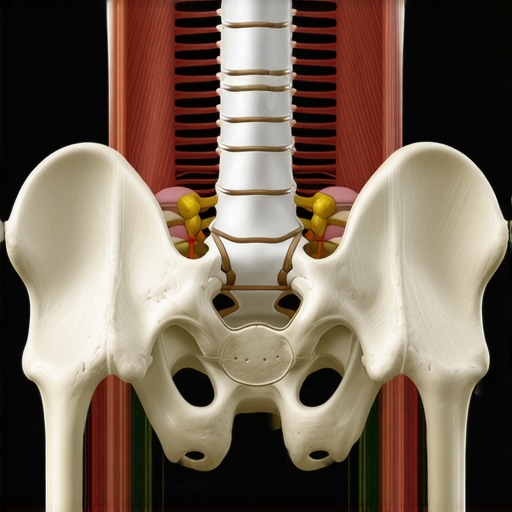
Have you ever experienced that dull ache in your lower back that just won’t quit, no matter how many stretches or massages you try? I remember the exact moment I realized my persistent back pain wasn’t just a matter of poor posture or a slipped disc—it was something unexpected: my pelvic floor. It sounds peculiar at first, but once the lightbulb went off, everything started to make sense.
Why Your Pelvic Floor Might Be Sabotaging Your Back
For years, I battled chronic lower back pain, feeling frustrated as I followed all the typical advice—strengthening my core, stretching my hamstrings, even investing in fancy ergonomic chairs. Yet, the pain lingered. That was until I discovered how interconnected our pelvic muscles are with our spinal stability. The pelvic floor isn’t just for bladder control; it’s a critical component of your core stability. When it’s weak, tight, or out of sync, your lower back bears the brunt—literally.
Research supports this connection. A study published in the Journal of Orthopedic & Muscular Therapy highlights how dysfunction in pelvic muscles can lead to or exacerbate low back pain. Recognizing this link was a game-changer for me, and it might be for you too.
Could Your Pelvic Floor Be the Hidden Culprit?
One common mistake I made early on was ignoring my pelvic health altogether. Instead of considering it a fundamental part of my core, I overlooked it completely. If you’ve been stuck in the cycle of relentless back discomfort, perhaps it’s time to look beyond the usual suspects. Strengthening or relaxing your pelvic muscles could unlock the relief you’ve been searching for.
In our upcoming sections, I’ll guide you through practical steps to assess and improve your pelvic health—steps that have helped countless others. If you’re tired of temporary fixes and want lasting relief, keep reading. And if you’ve faced similar struggles, I invite you to share your experience with me—you’re not alone in this journey.
Ready to take control of your back pain? Let’s dive into the essential strategies that connect pelvic health and spinal wellness.
Evaluate Your Pelvic Engagement
Start with assessing how your pelvic muscles respond during simple activities like coughing or lifting. To do this, gently contract your pelvic floor muscles as if you were stopping urine flow. If you notice difficulty or inconsistency, it’s a sign your pelvic control needs attention. I recall practicing this during a morning routine, initially feeling awkward and uncoordinated, but over a week, I observed better control, which translated into reduced lower back tension. For detailed guidance on pelvic assessments, consider visiting this resource.
Incorporate Dynamic Pelvic Floor Exercises
Engage During Movement
Active exercises that integrate pelvic engagement with movement are more effective than static holds. For example, while standing, gently tighten your pelvic floor as you hinge forward at the hips, similar to starting a deadlift. Maintain the contraction as you return to standing. This dynamic approach trains your pelvic muscles to activate under load, supporting your lower back. I once implemented this during my daily stretches, noticing immediate relief in my lumbar area after a few repetitions. You can explore more mobility strategies at this link.
Make It a Habit
Consistency is key. Dedicate 5-10 minutes daily to pelvic exercises, gradually increasing intensity. Use cues like ‘zip up’ or ‘lift the pelvic floor’ to reinforce proper engagement. Over time, this strengthens the deep core muscles, easing the burden on your lower back and improving overall posture. Remember, a relaxed pelvic floor is just as vital as a strong one, so balance your routines with relaxation techniques discussed in this article.
Practice Daily Adjustments
Small, habitual postural adjustments can reinforce pelvic health. For instance, during your day, check if you’re tucking your tailbone or arching your lower back unnecessarily. A simple trick is to stand against a wall with your feet a few inches away, then gently tilt your pelvis so that your tailbone touches the wall without flattening your lower back excessively. This mild correction helps reset your natural spinal alignment, reducing strain and promoting better pelvic engagement. I used this method after long periods of sitting, noticing significant relief over a week. To maintain optimal alignment, explore daily spinal routines.
Prioritize Functional Movement Patterns
Focus on maintaining mobility in movements you perform regularly. Practice squats, lunges, and hip hinges with proper pelvic activation. For instance, when doing a squat, consciously engage your pelvic floor muscles as you descend, then relax as you rise. This reinforces neural pathways that coordinate core and pelvic stability during functional activities. I found that integrating this cue made everyday tasks like bending or picking up objects feel safer and less painful. For comprehensive strategies, visit this resource.Many people assume that perfect posture simply involves standing upright with shoulders back, but this oversimplification neglects the nuanced realities of spinal health. For instance, the popular belief that relentless stretching alone can fix tight muscles often leads to effort without results, because it ignores the importance of strength and control in stabilizing movements. Advanced practitioners know that dynamic balance between flexibility and stability is crucial—not just a one-sided focus on one or the other. Furthermore, a common mistake is to view posture as a static alignment, when in fact, our bodies require continual micro-adjustments to maintain optimal function during movement. An overemphasis on static correction can lead to compensatory habits, worsening the very issues we try to fix. Experts like Stuart McGill emphasize that understanding the nuanced interplay between motor control and tissue capacity is key to sustainable improvements. This means instead of rigidly forcing the spine into ‘correct’ positions, we should focus on retraining the neuromuscular system to adapt fluidly and resiliently to daily demands. Beware of the trap of fixating on posture correction as an immediate fix; often, the real solution involves addressing core stability, movement patterns, and integrating functional mobility exercises that promote adaptability over rigidity. To deepen your understanding of effective strategies, check out our cornerstone guide on [posture correction secrets](https://chiromasteryz.com/posture-correction-secrets-that-transform-back-pain-outcomes) and [daily adjustments](https://chiromasteryz.com/daily-adjustments-to-alleviate-back-pain-and-improve-posture). Remember, a flexible yet stable spine is less prone to injury and pain than a ‘perfect’ but overly rigid posture. Have you ever fallen into this trap? Let me know in the comments below.Maintaining your progress takes more than just a few exercises; it requires reliable tools and consistent routines. Personally, I swear by a few specific items that help me keep my back healthy and my mobility improved over the long term. One such tool is the _foam roller_. I use it daily to release fascial restrictions, especially in my thoracic spine, which is crucial for maintaining good posture. Regular foam rolling not only relieves tension but also enhances circulation, promoting tissue healing. For guidance, I recommend exploring [mobility mastery techniques](https://chiromasteryz.com/mobility-mastery-simple-exercises-to-relieve-chronic-back-pain) to tailor your foam rolling routine effectively. Additionally, I incorporate _resistance bands_ for strengthening my posterior chain. They’re portable, versatile, and allow me to perform targeted exercises that reinforce core stability, vital for preventing recurring back pain. I prefer color-coded bands, with the yellow and red ones providing adjustable resistance depending on my focus for the day. To learn specific band exercises, check out [top mobility strategies](https://chiromasteryz.com/master-your-mobility-top-strategies-for-moving-without-pain). When it comes to tracking progress and staying consistent, I rely on a _simple journal_. Recording daily habits, pain levels, and mobility milestones keeps me accountable and helps identify patterns that need addressing. I’ve found that a dedicated notebook enhances motivation and ensures I stick with my routines long-term. As our practices evolve, so will the tools we rely on. Emerging technologies like biofeedback devices and app-guided exercises are beginning to play a role in personalized posture management. In the future, integration of wearable sensors may offer real-time feedback on alignment during daily activities, making self-correction more accessible and precise. Here’s a question to ponder: _How do I maintain consistent improvements in my posture over time?_ A strategy I highly recommend is setting aside 5-minute daily check-ins using a posture mirror or smartphone app—just like a quick self-assessment—to ensure your habitual positions stay aligned. This proactive approach keeps your progress steady, preventing small misalignments from becoming chronic issues. For more insights on daily adjustments, visit [our detailed guide](https://chiromasteryz.com/daily-adjustments-to-alleviate-back-pain-and-improve-posture). Remember, integrating these tools into your routine is a game-changer. I urge you to pick one—perhaps your resistance bands—and commit to incorporating it into your daily habits. The best results come from consistency paired with the right equipment, supporting your journey toward sustained mobility and pain-free living.
Through my journey into understanding back pain, I discovered that many solutions overlook a vital component—the pelvic floor. Recognizing its influence transformed my approach, leading to sustainable relief and improved mobility.
Lessons That Challenged My Assumptions About Core Stability
- I used to believe that focusing solely on my abdominal muscles would eliminate back pain, but neglecting pelvic engagement left gaps in my stability. Real progress came when I integrated pelvic exercises, highlighting the importance of a comprehensive core approach.
- I assumed that static stretches were enough, until I realized that dynamic pelvic control during movement is crucial for long-term back health. This shifted my routine from passive to active interventions, making a tangible difference.
- I overlooked my own postural habits, such as habitual tucking or arching, which compromised pelvic and spinal harmony. Becoming mindful of daily adjustments reinforced my recovery, illustrating that small habits can have profound effects.
- I learned that relaxation and strengthening must go hand-in-hand—over-tightening the pelvic floor can be just as detrimental as weakness. Balancing tension through controlled engagement helped me maintain harmony in my core muscles.
- Finally, understanding that neuromuscular control surpasses mere strength transformed my perspective. Training my body to coordinate pelvic and spinal movements fostered resilience, demonstrating that functional integration is key to lasting relief.
Tools That Made a Difference in My Recovery
- Mobility Mastery Exercises—Dedicated routines from our cornerstone guide strengthened my movement patterns, making daily activities less taxing and reducing pain.
- Quality Resistance Bands—These versatile tools helped me reinforce posterior chain strength, which supported better pelvic stability and alleviated lower back stress.
- Foam Rollers—Using foam rolling regularly enhanced my fascial health, particularly in my thoracic area, contributing to improved posture alignment.
- Personal Journaling—Tracking my progress kept me consistent and aware, allowing me to adjust exercises based on real-time feedback and experiences.
Your Movement, Your Power
Embarking on this journey towards better back health is a deeply personal and empowering process. Remember, integration of correct pelvic activation, mindful habits, and consistent routines can unlock a pain-free future. Don’t hesitate to seek personalized support—visit this page to connect with experts who can guide you further. By making small, intentional changes today, you set the stage for a stronger, more resilient back tomorrow. Your body has incredible potential—trust in your capacity to heal and improve.
Have you noticed any specific habits that affect your pelvic or back health? Share your experiences below and let’s learn from each other’s journeys toward lasting relief.
,