
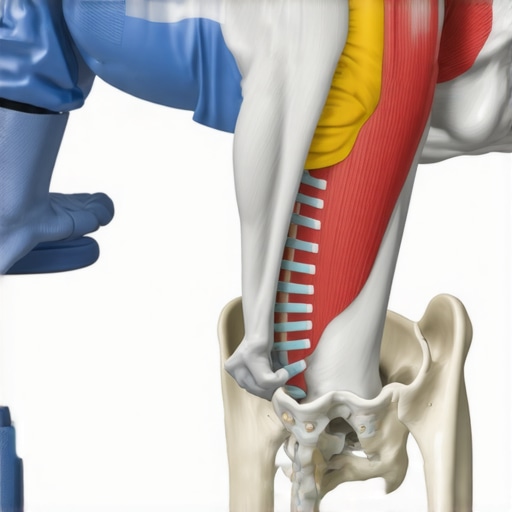
Have you ever experienced that sudden, sharp ache in your hip after a seemingly innocent move—like bending down to pick something up or even just standing up from your chair? I remember the first time it hit me, and honestly, it was a wake-up call. For weeks, I struggled with persistent lateral hip pain that no amount of stretching or rest seemed to fix. Frustrating, right?
One morning, during a routine walk, I realized I was guarding my hip, tilting away from the pain, trying to avoid any discomfort. But that very posture was making things worse. That marked my own lightbulb moment: I was overlooking the root cause—my glute medius wasn’t firing properly.
Why Fixing That Tiny Muscle Matters
Here’s the thing: your glute medius is a small, often overlooked muscle on the side of your hip—yet it plays a huge role in stability, mobility, and pain prevention. When it’s weak or inactive, other muscles and joints end up compensating, leading to chronic discomfort that can seem impossible to shake off. It’s like trying to fix a leaky pipe by patching the drain.
Early on, I made a critical mistake: I thought pain was just a sign to rest more or stretch harder. But then I learned that neglecting the glute medius was like ignoring the main culprit behind my hip problems. This realization is supported by research indicating that targeting the glute medius can significantly reduce lateral hip pain (source: Chiromasteryz).
So, before we dive into all the exercises and adjustments, ask yourself—have you ever experienced that nagging hip pain that keeps coming back, no matter what you try? If yes, you’re not alone. Many struggled with the same before discovering simple but effective strategies to revive and strengthen this vital muscle.
By understanding the root cause—weak or inactive glutes—we open the door to real relief. Ready to learn how to turn things around with practical steps that made a genuine difference in my life? Let’s get started, and I promise, you’ll see how a few targeted movements can bring lasting change.
Targeted Activation: Wake Up Your Glute Medius
Start with simple side-lying leg lifts. Lie on your side with your bottom arm supporting your head and fold your top leg over the bottom one. Slowly lift your top leg, keeping it straight, and then lower it with control. I remember once trying this after a frustrating day—initially, it felt awkward, but within a week, I noticed less hip ache during my daily walks. This move directly stimulates the glute medius, much like waking up a dormant muscle, making it ready for more intense exercises.
Build Strength with Clamshells
Next, progress to clam shells. Lie on your side with knees bent at 90 degrees and feet together. Keeping your feet touching, lift your top knee as high as possible without rotating your pelvis. Pause briefly, then lower. I added resistance bands around my thighs to increase challenge, but even without them, I felt my hips stabilizing. Think of this exercise as tightening the screws on a wobbly table—it reinforces stability and prevents slipping.
Incorporate Dynamic Movement for Better Functional Strength
Introduce side step-ups over a low barrier or curb, maintaining an upright posture. As I incorporated this into my daily routine, I felt more confident in movements like climbing stairs or sidestepping while jogging. This move mimics real-life scenarios, activating the glute medius dynamically. Remember, consistency is key; daily short sessions outperform sporadic intense workouts when retraining muscles.
Optimize Posture During Daily Activities
Stand and sit consciously. When standing, shift your weight evenly; avoid leaning to one side. While sitting, use ergonomic tweaks—such as placing your feet flat and hips at a 90-degree angle—to prevent the pelvis from tilting. I caught myself slouching during work hours, which exacerbated my hip pain. Small adjustments, like engaging your core slightly, can make a huge difference in keeping your hips aligned.
Progressive Overload and Routine Integration
Gradually increase repetitions or resistance as your strength improves. Add new movements like sidestepping lunges or single-leg bridges. For example, I integrated a daily 5-minute glute circuit, and over time, my pain decreased significantly. Think of training this muscle as tuning a musical instrument—the more precise and consistent, the better the harmony in your hips and back.
Stay Mindful of Related Postural Factors
Address other contributing factors such as standing posture and walking gait. Proper footwear and mindful movement can prevent compensations that weaken the glute medius over time. Regularly revisit your posture, and consider daily adjustments with resources like posture correction secrets. This holistic approach ensures you not only strengthen the muscle but also maintain optimal alignment and mobility.
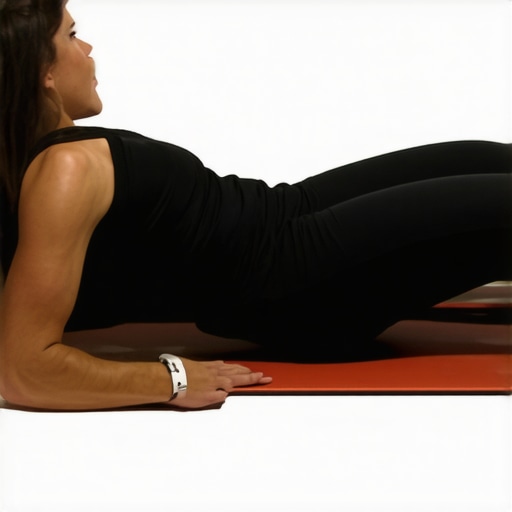 While many believe that any correction to posture or simple adjustments can instantly eliminate back pain, this oversimplification often leads to frustration. The truth is, most common advice overlooks the intricate, nuanced factors that influence our musculoskeletal health. For instance, correcting a forward head posture without addressing core stability can be like filling a bucket with a hole—you may see some short-term relief, but the issues persist long-term. This is where a deeper understanding becomes crucial.
A prevalent misconception is that the way we sit or stand is solely responsible for back pain, but research indicates that **movement patterns and habitual behaviors** play a more significant role than static postures. For example, a study published in the *Journal of Orthopaedic & Sports Physical Therapy* highlights that poor motor control and repetitive strain often have a greater impact than merely how one aligns during an exam. This nuance explains why some individuals with ‘perfect’ postures still experience pain.
Be cautious of the trap many fall into—believing that quick fixes or transient posture corrections are sufficient. An effective mobility routine involves not just adjusting how you position yourself but also integrating movement variability and strengthening the muscles that support proper alignment.
Additionally, advanced practitioners recognize the importance of *neuromuscular control* of muscles like the glute medius and deep core stabilizers. Focusing solely on superficial stretching or strength exercises without addressing underlying motor control deficits can lead to false progress or even injury. This point is supported by studies in *Physical Therapy* showing that retraining movement patterns yields better long-term outcomes than mere flexibility exercises.
A common myth suggests that pain is a direct indicator of damage and that adjusting posture instantaneously can cure chronic issues. However, pain often reflects **neurological sensitization and muscle guarding**, which require a nuanced approach—combining manual therapy, targeted exercises, and behavioral modifications. For example, learning to breathe correctly can reduce muscle tension and improve postural control.
Looking to set your routine apart? Explore some **simple adjustments** that have proven effective in neutralizing pain and enhancing mobility—like mindful breathing, dynamic stretches, and strengthening those tiny stabilizer muscles. Remember, longevity in posture correction involves understanding these hidden layers—it’s a marathon, not a sprint.
Have you ever fallen into this trap? Let me know in the comments. For more advanced tips, check out how mastering your mobility can transform your approach to back health and movement efficiency.Maintaining proper posture and mobility isn’t a one-and-done task; it requires consistent upkeep with the right equipment and habits. One of my favorite tools is the *foam roller*, especially the softer, textured types. I use my foam roller daily, not just for my back but for my hips and legs, as it helps release tension in the myofascial tissue, preventing chronic tightness that can lead to misalignment. The key is choosing a roller with moderate firmness—too hard can cause bruising, while too soft won’t provide enough trigger point release. Another device I swear by is a *Tennis ball or mini massage ball*. I keep one at my desk to easily target tight spots—especially around the hips or shoulders. It’s portable, cost-effective, and quick to use during short breaks, which is essential for those long workdays. For tracking progress, I rely on posture correction software like the *Upright GO*, which gently vibrates when you slouch, making you aware of your habits in real-time. It’s helped me develop a habit of checking my alignment during daily activities, reinforcing healthier postures over the long term. Transitioning into the future, I predict that integrating wearable tech with AI-driven feedback will become standard for posture maintenance, offering personalized exercises based on real-time data to optimize long-term results. **How do I keep my posture improvements sustainable?** I incorporate daily routines like mindful *breathing exercises* to engage my core and reinforce proper alignment. Additionally, regular adjustments using *manual therapy techniques*, supported by resources from future-proof mobility tips, ensure my tissues stay flexible and strong. Remember, consistency is the secret—using simple tools like a tennis ball coupled with daily mindfulness can make a significant difference. I encourage you to try the *targeted trigger point release* with a tennis ball on your hips or shoulders today—just a few minutes can yield noticeable relief and help sustain your progress. Tools are only part of the story; pairing them with mindful movement ensures resilience and mobility for the long haul.
Over the years, I’ve realized that some of the most impactful lessons on hip pain relief come not from complicated protocols but from simple, honest insights that many overlook. These truths have shaped my journey and can do the same for yours.
The Hardest Lesson I Learned About Mobility and Pain
One of the toughest realizations was understanding that progress often isn’t linear. I expected quick fixes, but it was the consistent, small improvements—like daily activation routines—that truly moved the needle. Recognizing that patience and persistence outweigh shortcuts was a game-changer.
Why Believing in Spot Treatments Can Sabotage Your Healing
I used to think targeting just the painful area with foam rolling or stretches was enough. But I learned that focusing solely on symptoms neglects the underlying muscle imbalances. Addressing the root—like strengthening the glute medius—led to more sustainable relief. This shift in perspective helped me avoid setbacks and kept me motivated.
The Power of Mindful Movement Over Haphazard Exercise
Jumping into vigorous workouts without awareness can do more harm than good. Instead, slow, controlled movements grounded in proper form made a profound difference. Incorporating intentional mobility drills, like the side-lying leg lifts or clamshells, fostered better control and resilience in my hips.
Curated Gems for Deepening Your Understanding
To deepen my knowledge, I turned to trusted resources like Effective Posture Tips for 2025, which offers practical strategies for long-term health. I also recommend Mobility Mastery for targeted exercises, and Expert Tips for Easier Movement to refine your daily habits. These tools and insights have been vital in my journey from frustration to freedom.
Embrace Your Path to Better Hip Health Today
Remember, overcoming hip pain isn’t about perfect routines but consistent efforts infused with patience and awareness. Every small adjustment builds momentum towards a more mobile, pain-free life. I invite you to start today—your body is capable of remarkable healing when given the right attention and care.
What’s one small change you’re willing to try today to improve your hip health? Share your step in the comments below—I’d love to hear your journey!
,