
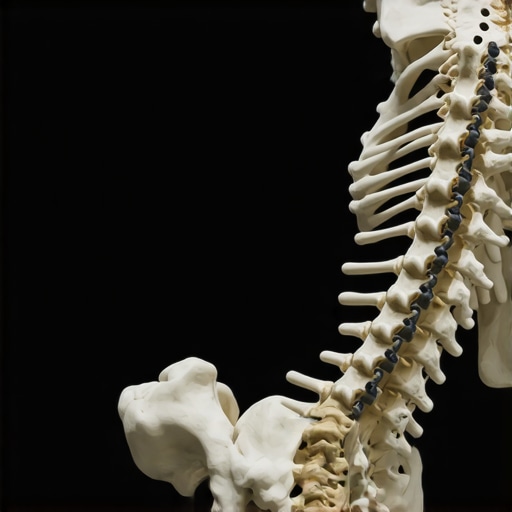
I’ll never forget the moment I realized that something I thought was helping actually made my back worse. There I was, trying every stretch and dumb trick I could find, convinced that loosening up my lower back would bring relief. But instead, my pain intensified, and I felt like I was stuck in a cycle of worsening discomfort.
When Good Intentions Backfire
For years, I believed that stretching was the golden ticket to a healthier back. The idea seemed simple: loosen tight muscles, improve flexibility, and pain would vanish. So, I dove into endless stretches, from toe touches to lumbar twists. Yet, after a while, my disc herniation symptoms worsened. That’s when I stumbled upon a crucial realization: not all stretching is created equal—especially when dealing with disc issues.
Could Your Favorite Lower Back Stretch Be Making Things Worse?
Here’s the harsh truth I learned early on—many common back stretches can actually increase pressure on vulnerable discs if done incorrectly. For example, some flexion-based stretches can push a herniated disc further out, aggravating nerve compression. A mistaken move, even with good intentions, can delay recovery and prolong pain. This is why understanding the anatomy and how different movements affect your spine matters so much.
Research shows that improper stretching or movement patterns can worsen disc bulges, leading to increased nerve irritation and persistent pain (source). I made the mistake of treating all back stretches as universally beneficial, but my back protests reminded me otherwise. Trust me, I’ve been there—and I want to help you avoid that trap.
What We’ll Cover Today
By the end of this, you’ll understand the critical do’s and don’ts of lower back mobility exercises, learn how to identify which movements help and which harm, and discover simple tweaks that can turn your back pain around. The goal isn’t just symptom relief—it’s building a solid foundation for lasting recovery and movement freedom.
Ready to ditch the guesswork and start moving smarter? Let’s dive into strategies that make a real difference.
Start with Gentle Activation Exercises
Before diving into stretches, activate your core and glute muscles to support your spine. Lie on your back, knees bent, and gently engage these muscles by pressing your lower back into the floor. This creates a stable foundation, much like leveling a shaky table before placing objects on it. I remember a morning when I tried rushing into deep stretches without proper activation—my back tensed up worse. Incorporating a 2-minute core engagement routine made a noticeable difference in my comfort during mobility work.
Identify Movements that Help Versus Harm
Check Your Flexion and Extension Movements
Flexion-based stretches, like full forward bends, can pressure fragile discs if done improperly. Instead, focus on controlled extensions, such as gentle backbend variations, which encourage healthy disc hydration and spinal fluid circulation. Once I learned to swap aggressive toe touches for controlled lumbar extensions, my pain decreased. To guide you, consider reviewing resources on proper posture and mobility techniques, like simple spinal adjustments.
Watch Your Posture During Daily Activities
Postural habits during sitting and standing significantly influence mobility. Keep your pelvis neutral, avoid slouching, and engage your abdominal muscles when lifting or bending. I replaced my habit of leaning forward at my desk with intentional posture checks every 15 minutes, which mitigated morning stiffness and reduced strain. If you sit for long periods, a quick adjustment like elevating your monitor or adding lumbar support can prevent unnecessary compression and promote better mobility; learn more at daily spinal alignments.
Incorporate Controlled Movements for Mobility
Start with gentle, controlled drills like cat-cow stretches, focusing on spinal flexion and extension within a pain-free range. These create space between vertebrae and improve circulation. I remember feeling tentative at first, but moving slowly with awareness minimized discomfort, and over time, I noticed increased flexibility. Use a mirror or record yourself to ensure proper form, much like a coach checking an athlete’s technique. Consistency is key—perform these movements daily to build resilience, as suggested in mobility mastery exercises.
Progress with Posture-focused Strengthening
As mobility improves, add strength exercises that reinforce proper posture, such as planks or bird-dogs. These exercises serve like a framework that supports your mobility gains, preventing setbacks. I integrated a simple bird-dog routine into my mornings, which helped stabilize my lumbar spine and built confidence in movement. Remember, strengthening the muscles around your spine is like tensioning the cables of a suspension bridge—necessary for safe, controlled movement. For targeted guidance, explore posture correction tips.
Focus on Consistency and Micro-Adjustments
Frequent, small adjustments are more effective than sporadic, intense sessions. Make mobility work a daily habit—adjust your chair height, stretch when sitting for 30 minutes, and pay attention to your breathing during exercises. I started setting a timer to remind me to check my posture and perform quick mobility moves every hour, which compounded over weeks. Think of your spine like a garden that needs regular watering—consistent care yields resilient results. To deepen your routine, consider exploring daily adjustments for back relief.
Many people assume that continuous adjustments and mobility exercises automatically lead to pain relief and better posture. However, even seasoned practitioners often overlook subtle nuances that make all the difference. Let’s dive into common misconceptions and advanced pitfalls that can hinder your progress.
Are All Adjustments Created Equal? The Myth of One-Size-Fits-All Solutions
It’s a widespread belief that any adjustment or mobility drill will positively influence back health. Yet, recent studies emphasize that specific movements can either support or undermine recovery depending on individual spinal conditions. For example, excessive reliance on flexion exercises in disc herniation cases may aggravate nerve irritation (source). Recognizing which techniques suit your anatomy is crucial to avoid doing more harm than good.
Many practitioners fall into the trap of emphasizing rapid, high-intensity mobilization without considering the underlying biomechanical issues. This mismatch can lead to microtraumas, chronic inflammation, or muscle imbalances that worsen posture over time. Instead, focusing on controlled, personalized adjustments ensures safer and more effective outcomes.
Beware of Overcorrecting—The Common Mistake of Pushing Too Far
Advanced enthusiasts often believe that increasing the range of motion through aggressive stretching will accelerate progress. However, pushing beyond the body’s capacity risks overstretching ligaments or destabilizing joints. This can create a cycle where muscular tightness increases as the body defensively contracts to protect compromised structures. Striking a balance—gradual, mindful movements—is essential to prevent setbacks.
In my own experience, overdoing mobility work led to temporary setbacks and increased discomfort. Listening to your body’s signals and respecting its limits is more beneficial than aggressive routines. Incorporating proprioceptive cues, like slow movement and awareness, enhances safety and longevity.
Advanced Question: How Can You Differentiate Between Postural Habit and Structural Issue?
This is a nuanced question only a few recognize—distinguishing habitual poor posture from structural or biomechanical misalignments. While many focus solely on exercises to correct habits, structural issues often require targeted interventions or professional assessments. For instance, a pelvic tilt caused by joint restriction may not correct through stretches alone. Consulting with a spine specialist or a qualified physical therapist ensures that you address root causes rather than symptoms alone (more on effective posture tips).
Misdiagnosing or oversimplifying these complexities can lead to prolonged pain and ineffective routines. Embracing a comprehensive, individualized approach increases success and promotes lasting health.

Maintaining back health over the long term requires not just consistent movement but also the right tools to support your progress. From specialized equipment to software that guides your exercises, having a strategic toolkit makes all the difference. I’ve personally found that investing in quality resources helps me stay committed and see tangible results.
Invest in a Quality Foam Roller
If there’s one tool I swear by, it’s my foam roller. Not just for my calves and hamstrings, but specifically for my lower back and thoracic spine. I use a medium-density foam roller because it provides enough pressure to release tight muscles without causing discomfort. Regular rolling along the scapular region and along the erector spinae helps prevent stiffness and increases mobility. Be cautious to avoid rolling directly on the lumbar spine, which can cause more harm than good. For targeted relief, I often incorporate  , with a prompt like: “A person using a foam roller on their upper back, emphasizing thoracic mobility.”
Learn why foam rolling is essential for back health.
Use Guided Mobility Apps
Technology has made personalized routine building easier. I rely on apps like Mobility Mastery for daily exercises tailored to my specific needs. These apps provide visual cues and timers, ensuring I don’t overdo it or skip critical movement patterns. Over time, they’ve helped me identify weak links in my mobility chain, leading to targeted improvements. In particular, these future-oriented mobility tips suggest that integrating guided routines boosts consistency and results.
My Favorite Posture Monitoring Devices
Maintaining good posture is a daily practice. I use a wearable device that vibrates gently if I slouch or lean for too long. This real-time feedback keeps me conscious of my posture throughout the day, whether sitting at my desk or standing. Regular micro-corrections, like adjusting my chair or standing desk height using tools like the adjustment guidelines, prevent strain buildup.
Why These Tools Prepare You for Future Trends
As our understanding of back health evolves, the focus will shift more towards continuous, personalized care. Emerging smart equipment will likely integrate AI to adapt routines dynamically, ensuring long-term maintenance. By establishing good habits now—using foam rollers, guided apps, and posture monitors—you build a foundation that scales with future innovations.
How do I maintain back health over time?
The key is consistency and adjusting your toolkit as your needs change. Regularly schedule mobility checks, incorporate strengthening routines, and listen to your body’s feedback, both from manual assessments and digital cues. Remember, small daily micro-adjustments outperform sporadic intense sessions. I suggest trying out the habit of using a wearable posture monitor during your workday—it’s a game-changer in preventing cumulative strain and maintaining long-term back health.
Throughout my journey managing lower back pain, I uncovered surprising truths that transformed the way I approach mobility and posture. One truly eye-opening lesson was realizing how easy it is to fall into habits that seem helpful but actually hinder recovery, like overdoing stretches that push vulnerable discs further out. This insight led me to prioritize gentle, specific movements over generic routines, emphasizing control and awareness in every movement. I also discovered that integrating technology—like posture monitors and guided apps—can make consistent progress both attainable and sustainable. Most importantly, I learned that patience and personalized adjustments often outperform cookie-cutter solutions, reinforcing that your unique body deserves tailored attention for long-term relief.