

I’ll never forget the exact moment I realized my constant neck pain was sabotage—a stiff, sore feeling every time I looked at my phone or sat at my desk. It wasn’t just discomfort; it felt like my head was slowly pulling me down, pulling my confidence with it. For years, I brushed it off as bad posture or stress, but deep down, I knew it was more than that. One evening, after a long day of worsening aches, I had a lightbulb moment that changed everything: a simple, 60-second daily drill that targeted my forward head poke.
Why Fixing Forward Head Posture Matters More Than You Think
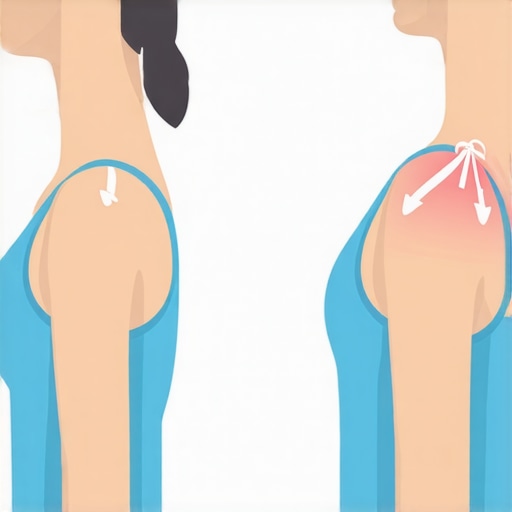
Our modern lifestyles cozy us into habits that wreak havoc on our neck alignment—prolonged screen time, slouching on the couch, the ever-present smartphone. Over time, this creates a tendency called forward head poke, which not only strains the neck muscles but can lead to chronic headaches, shoulder tension, and even nerve issues. According to recent studies, a forward head posture increases the load on the cervical spine by up to 60%, accelerating degeneration and discomfort. Those numbers hit hard when you realize how much your daily routine subtly sabotages your well-being.
Is This Drill Really Worth the Hype?
Honestly, I was skeptical at first. I’d tried countless stretches and exercises, only to see little lasting change. Early on, I made the mistake of neglecting consistency—thinking a few stretches here and there could fix years of poor habits. That was a mistake. But once I committed just 60 seconds a day to this simple drill, the difference was undeniable. If I could do it amid the chaos of my day, so could you. Curious if this approach could work for you? Let’s dive into the how-to next.
Activate Your Posture Awareness Instantly
Start by setting a timer for 60 seconds—yes, just one minute—to focus solely on your neck and shoulders. Sit upright in a chair with your back supported, feet flat on the ground. Gently tuck your chin slightly, so your head aligns over your shoulders, avoiding the tendency to poke your chin forward. As I did one hectic Tuesday morning, I caught myself leaning into my phone during a break; I paused, took a deep breath, and consciously adjusted my head back. That micro-movement prevented further strain and helped me stay mindful of the habit.
Implement Daily Shoulder Blade Pinch
How to Perform the Squeeze
Stand or sit with your arms relaxed at your sides. Squeeze the shoulder blades gently together—imagine trying to hold a pencil between them—then hold for 3 seconds before releasing. Repeat 10 times. This simple move counteracts the slouched posture that fuels forward head poke. During a moment of fatigue, I noticed my shoulders creeping forward again, but just a few reps of this pinch restored proper alignment, reducing tension. Incorporate this into your routine to build awareness and strength in your upper back muscles.
Practice the ‘Chin Retraction’ Technique
Steps to Realign Your Head
Lie down comfortably or sit with good support. Gently pull your chin back, creating a double chin without tilting your head up or down. Keep your gaze ahead. This movement retrains your cervical spine to a neutral position. I set aside two minutes during my after-lunch break to do these retractions, noticing a immediate decrease in neck tension. Regular practice conditions your muscles to maintain proper posture naturally, making daily slip-ups less harmful.
Leverage Micro-Adjustments in Daily Tasks
Every time you check your phone, type on your computer, or watch TV, pause and evaluate your head position. For instance, raise your monitor to eye level, so your eyes look straight forward without tilting your neck down. During a hectic workday, I adjusted my laptop height using a stack of books, which instantly improved my head posture. Small, consistent tweaks act as constant reminders to keep your neck aligned, preventing the forward poke from creeping back over time.
Incorporate Breathing to Reinforce Posture
Deep diaphragmatic breathing helps relax neck and shoulder muscles, reducing compensatory tension that pulls your head forward. Try inhaling deeply through your nose, expanding your belly, then slowly exhaling through your mouth. During a stressful drafting session, I combined this breathing with my micro-movements, creating a calming rhythm that enhanced my posture efforts. Breathing exercises serve as natural anchors to maintain awareness and control over your alignment throughout the day.
Seek Expert Guidance to Accelerate Progress
If you find persistent difficulty in maintaining these habits or notice ongoing discomfort, consulting professionals like chiropractors can offer personalized adjustments. They can identify underlying issues that simple drills might not address alone. For example, a quick visit to [our contact page](https://chiromasteryz.com/contact-us) can give you tailored solutions that complement your daily routine, ensuring sustainable and effective correction.
 Many individuals believe that simple stretches or quick fixes can resolve complex back issues, but this oversimplification often leads to ineffective treatments. One common myth is that all back pain stems solely from muscle strain, ignoring underlying structural or neurological factors. For example, some mistakenly think that spinal adjustments are a universal cure, yet recent research suggests that misaligned adjustments without addressing mobility restrictions or muscular imbalances can be counterproductive. In fact, forcing a spinal realignment without proper mobility assessments may exacerbate issues, especially if underlying joint or soft tissue restrictions are ignored. For advanced practitioners, understanding the nuanced interplay between joint mobility, muscular tension, and neural pathways is crucial; studies have shown that restoring movement patterns often yields better long-term relief than immediate adjustments alone (see our detailed post).Maintaining your progress and ensuring long-term relief from back pain requires investing in the right tools and adopting effective routines. As someone deeply involved in postural correction and mobility enhancement, I personally rely on a combination of research-backed techniques and specific equipment to keep my spine aligned and my muscles flexible. One device I swear by is the **Tennis Ball**—it’s surprisingly versatile for releasing tight muscles, especially in areas inaccessible with conventional stretches. I regularly use it for my hip flexors and lower back, rolling gently to trigger trigger points and prevent knots from forming. For tracking and reinforcing progress, I utilize the **Posture Reminder App** on my phone, which prompts me to check my alignment throughout the day, fostering habits that become second nature over time. This approach is rooted in the latest studies on habit formation, which emphasize consistent cues and immediate reinforcement to embed movement patterns—see the comprehensive post on posture correction secrets for more insights. Looking ahead, the trend is moving toward **smart wearable technology**—like posture sensors and biofeedback devices—that offer real-time cues, making maintenance more intuitive and less effortful. Incorporating such tools into daily routines can dramatically improve long-term outcomes and prevent regression.
How do I ensure my back stays healthy over time? Regular micro-adjustments, like using a tennis ball to release tension or setting daily reminders to check posture, are fundamental. I also schedule periodic visits to a professional chiropractor, who can fine-tune subtle misalignments before they develop into chronic issues. If you’re ready to refine your approach, I recommend trying the **visualize and cue** technique—pairing a physical reminder with mental reinforcement—to cement correct habits. For a deeper dive on this strategy, visit our latest post. Remember, long-lasting change is about consistency and smart tool use—continue to refine your routine and keep your spine mobile and strong.
Over the years, I learned that true progress in back health comes not just from quick fixes but from understanding the subtle lessons our bodies whisper to us. One revelation was realizing that persistent discomfort often signals that we’ve been overlooking simple, yet powerful, daily habits. Recognizing these small signs and responding proactively transformed my approach from reactive to restorative, a lesson I wish I had embraced sooner. Trusting the process and being patient with my body’s pace became the cornerstone of my progress.
What I Wish I Knew About Lasting Posture Change
- Consistency beats intensity: Daily micro-movements and awareness triggered more profound change than sporadic, intense routines.
- Listen to your body’s cues: Pain or tension are signals, not obstacles—use them to guide your adjustments rather than ignore them.
- Proper tools amplify results: Incorporating devices like a tennis ball or posture reminders can accelerate healing and long-term maintenance.
- Education empowers habits: Understanding the mechanics behind posture mistakes helps prevent relapse and fosters confidence in self-care routines.
My Favorite Tools for Better Back Wellness
- Posture Reminder App: I trust this app to prompt me during my busy day—a simple yet effective way to stay mindful of my alignment.
- Tennis Ball: Regular self-myofascial release with a tennis ball helps me release knots and maintain muscle flexibility, especially in tight spots.
- Educational Resources: Books like Posture Correction Secrets deepened my understanding and supported my journey.
- Professional Guidance: Occasional visits to a trusted chiropractor keep my foundation solid and address issues before they escalate.
Your Turn to Redefine Back Health
Remember, lasting relief isn’t about one quick fix; it’s a continuous journey of aware movement and gentle adjustments. By integrating these lessons and tools into your routine, you can build resilience and enjoy a pain-free life. Are you ready to make small changes that lead to lasting back wellness? Share your experiences or questions below—your journey inspires others to take charge of their posture and mobility!