
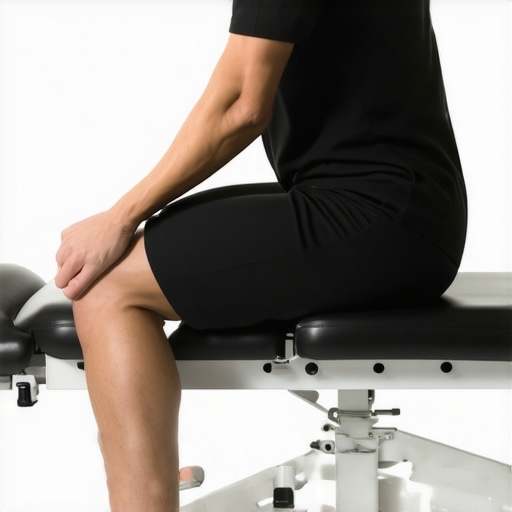
I remember the exact moment I realized I’d been battling unnecessary SI joint pain without even recognizing the culprit lurking in my daily routine. It was after a long day of sitting hunched over my laptop, feeling that gnawing discomfort in my lower back that just wouldn’t quit. I tried stretching, walking, even doing what I thought were ‘proper’ exercises. Nothing seemed to provide lasting relief. Then, in a moment of frustration mixed with curiosity, I stumbled upon a simple position that changed everything—a single-leg movement that instantly alleviated my pressure and pain. That lightbulb moment became a game-changer, and today I want to share this discovery with you.
Why Your SI Joint Might Be Suffering More Than It Should
The sacroiliac (SI) joint is a tiny yet crucial part of your pelvis, connecting your spine to your hips. It’s responsible for absorbing impact and facilitating movement. When this joint gets out of sync or is strained, pain becomes inevitable. What’s surprising is how often this issue stems from something as simple as a misalignment during everyday movements. I initially thought my back pain was due to muscular imbalance or bad posture, but the real culprit was a straightforward positional tweak—something you can incorporate into your routine immediately.
Studies have shown that even minor alterations in the way we move or position ourselves can significantly impact joint health. According to research published in the National Library of Medicine, poor movement patterns are often linked to chronic joint pain and deterioration. Recognizing this was my first step toward recovery. If you’ve felt that dull ache or sharp twinge in your lower back after sitting or standing a certain way, this article is for you. We’ll explore that one simple position that can bring immediate relief—yes, right now—and how to make it a part of your daily life.
Could a Single Posture Change Really Make a Difference?
Trust me, early on I dismissed small adjustments. I believed only intense stretches or professional therapy could help. I’d made the mistake of ignoring how subtle shifts in my leg and pelvis alignment affected my pain. But once I started experimenting with this specific single-leg position, the relief was undeniable. It’s like finally finding the missing piece of a puzzle you’d been trying to solve for months. If you’re skeptical, I get it. Sometimes, the simplest solutions are the hardest to believe. But I assure you, this is worth trying—and it might be the breakthrough you’ve been searching for.
If you’re tired of endless trial and error, and want a practical, easy fix you can do right now, stick around. We’re diving into the exact position that will help you regain mobility and get your SI joint back on track. Ready to discover this game-changing move? Let’s go.
Adopt the Single-Leg Position for Immediate Relief
Start by lying on your back in a comfortable position on a firm surface. Extend both legs straight, then lift one leg off the ground, bending the knee at a 90-degree angle. Think of it as stepping over a small obstacle, guiding your knee upward in a controlled manner. Place your hands gently on your thigh to support, ensuring your pelvis remains stable. This simple act can be your first step toward alleviating sacroiliac (SI) joint discomfort.
Align Your Pelvis and Maintain Core Engagement
Imagine your pelvis as a balanced scale; any tilt can cause strain. When lifting your leg, engage your core muscles—squeeze your lower abdominal muscles as if pulling your navel toward your spine. This action stabilizes your pelvis, much like a tight rope supporting a bridge. Keep your hips level and avoid twisting or tilting—visualize a flat board supported evenly on both sides. Micro-adjustments may be necessary; for example, if your pelvis shifts, try reducing the leg lift or repositioning your hips until balanced.
Control the Movement Slowly and Purposefully
Think of this as a slow dance; deliberate movement ensures better control and awareness. Lift your leg with a smooth, controlled motion, avoiding any jerking or bouncing. Lower it in the same controlled manner, focusing on maintaining pelvis stability. During my first attempt, I struggled to keep my hips level, causing additional discomfort. By consciously slowing down and focusing on pelvic alignment, I felt immediate relief and a sense of control over my pain. Repeat this movement 10-15 times, gradually increasing as you become more comfortable.
Incorporate Breathing to Enhance Effectiveness
Deep, diaphragmatic breathing acts like a natural stabilizer. As you lift and lower your leg, inhale slowly through your nose, filling your lungs and allowing your diaphragm to expand. Exhale gently through your mouth as you control the movement. This breathing pattern relaxes your muscles, reduces tension, and promotes better blood flow, which can accelerate healing. During my session, focusing on breath kept me calm and prevented overexertion, amplifying the benefits of this simple exercise.
Maintain and Integrate this Movement into Daily Routine
Consistency is key. Schedule short sessions, perhaps during breaks or after sitting for extended periods, to reinforce proper alignment. Over time, this movement can retrain your body’s habits, much like relearning dance steps—precision and repetition build muscle memory. Remember, the goal isn’t just immediate relief but long-term mobility. If pain persists or worsens, consult a professional for tailored guidance.
Want to deepen your understanding? Explore daily adjustments to maintain spinal health, or find out how specific posture tips can complement this practice. Small consistent actions can lead to significant improvements in your back health and overall mobility.
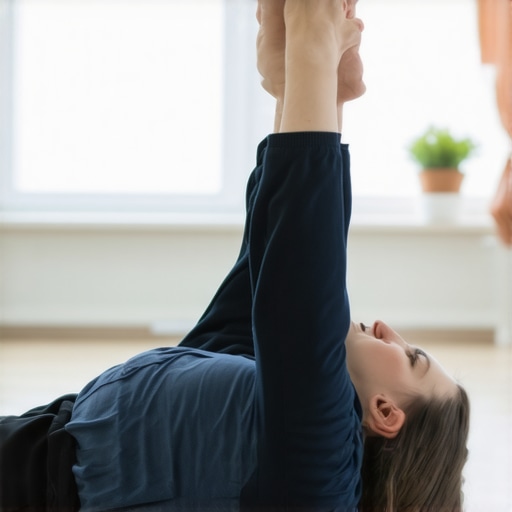 Many people assume that simple adjustments and good posture are enough to solve chronic back pain, but the truth is far more complex. A common myth is that aligning the spine perfectly during a quick correction guarantees long-term relief. In reality, the human body is a dynamic system where static fixes often fall short. For example, focusing solely on posture without considering movement patterns can lead to overlooked issues, such as compensatory habits that sustain pain even after initial correction. expert studies reveal that muscle imbalances and incorrect movement habits might be the real culprits behind persistent back discomfort, not just posture deviations. Additionally, many individuals overlook the importance of *mobility*—the body’s ability to move freely through its full range—and mistakenly treat back pain with immobilization or excessive stretching, which can exacerbate issues. For instance, aggressive stretching may loosen tight muscles temporarily, but if the root mobility restrictions aren’t addressed, pain often returns; a balanced approach integrating strength and mobility work is crucial.
A particularly overlooked nuance is the role of subconscious habits acquired through daily routines. Activities such as slouching at the desk, improper lifting techniques, or walking with an uneven gait become ingrained, silently reinforcing poor alignment over time. This is why advanced adjustments involve not only physical manipulations but also retraining movement behaviors. For example, *micro-movements* and *neuroplasticity* principles suggest that re-patterning habitual motion is essential for lasting change—yet most practitioners and laypersons underestimate this aspect.
Beware the trap of relying on quick fixes, like posture braces or superficial adjustments, which might provide temporary relief but fail to address deeper, systemic issues. Studies emphasize that integrating corrective exercises with awareness of habitual movement patterns produces sustainable results. An insightful resource on this is found in the work of expert researcher Dr. Stuart McGill, who advocates for *movement quality* over static positioning for long-term back health. Plus, continually self-educating about nuanced nuances—such as joint lubrication, fascia health, and muscle sequencing—can be game-changers.
To truly master your mobility and prevent recurring back issues, consider exploring comprehensive routines that include daily movement assessments, functional exercises, and mindful postural habits. For example, integrating mobility drills from trusted sources like [master your mobility](https://chiromasteryz.com/master-your-mobility-top-strategies-for-moving-without-pain) can unlock hidden potential in your back health.
Have you ever fallen into the trap of thinking a quick adjustment was enough? Let me know in the comments. Sometimes, the real solution lies beneath the surface—embrace the nuances, and your back will thank you.
Keeping It Working: Essential Tools for Longevity
Maintaining your back health over the long term requires more than just good habits; it demands reliable tools and consistent methods. One device I personally rely on is a high-quality foam roller, specifically the TheraBand Roller. Its density provides the perfect balance between firmness and softness, allowing me to target fascia restrictions without risking over-aggressive pressure. I use it daily to break up muscle knots and improve my thoracic mobility, which is critical for preventing compensatory movements that lead to back pain.
In tandem with physical tools, I highly recommend integrating mobility software such as MobilityWOD. Personal experience has shown me that structured mobility routines help track progress and ensure I’m addressing all my joints and tissues systematically. Apps like this often include video tutorials that demonstrate proper technique, reducing the risk of injury during self-managed routines. As the field evolves, expect to see more AI-powered assessments that customize routines based on your movement patterns, further enhancing long-term results.
For posture correction, I depend on adjustable ergonomic desks. My personal setup includes a Fully Jarvis standing desk, which I use intermittently throughout the day. The ability to switch from sitting to standing fosters better circulation and reduces static pressure on my lumbar spine. I also utilize a monitor arm to position screens at eye level, preventing forward head posture that can cascade into neck and back issues. These minor but deliberate adjustments have compounded over time into noticeable improvements in pain levels and mobility.
How to Keep Your Back Healthy Over Time
Consistency is the linchpin. Regularly incorporating mobility exercises with these tools ensures your body adapts positively. Remember, using technology to track your progress can reveal patterns and triggers, helping you fine-tune your routine. Review your setup at least biannually, adjusting ergonomics and tools as your needs evolve. For example, I’ve found that supplementing my routine with targeted stretches using specific mobility exercises helps maintain flexibility and prevent degeneration.
Looking ahead, emerging tools like smart wearables that monitor posture in real time will become more accessible, offering immediate feedback and helping you correct habits before they become chronic issues. Staying proactive and investing in these practical tools is an investment in pain-free, active years to come.
If you’re ready to optimize your routine, try integrating a foam roller into your daily warm-up or cool-down. It’s a simple yet powerful start that can make all the difference in maintaining long-term back health. Curious about more tech-forward solutions? Explore the latest mobility trends for 2025 to stay ahead of the curve.

The Hardest Lesson I Learned About adjustments,posture,mobility,back pain
One of my biggest realizations was that no single fix could permanently solve back pain without addressing underlying habits and movement patterns. I spent years chasing quick fixes until I understood that consistent, integrated adjustments were key to long-term relief.
3 Myths About adjustments,posture,mobility,back pain That Held Me Back
Believing that perfect posture can eliminate pain or that stretching alone can fix mobility issues are common misconceptions. In truth, understanding the body’s dynamic nature and combining mobility with strength training made all the difference for me.
What Experts Won’t Tell You About adjustments,posture,mobility,back pain
Many professionals overlook how subconscious habits reinforce poor alignment. Recognizing and retraining these habits, supported by ongoing mobility work, is essential—something I discovered through trial, error, and expert advice.
Curated Resources and Tools for Lasting Relief
The Master Your Mobility program changed my approach by emphasizing functional movement and neuroplasticity, transforming how I maintain back health daily. The contact us page is also invaluable for personalized guidance to tailor your journey.
Your Next Step Toward Freedom from Back Pain
Remember, the journey to a pain-free back is ongoing, involving mindful movement, consistent effort, and embracing nuanced adjustments. Your health is an investment—start small, stay persistent, and watch your mobility flourish.