
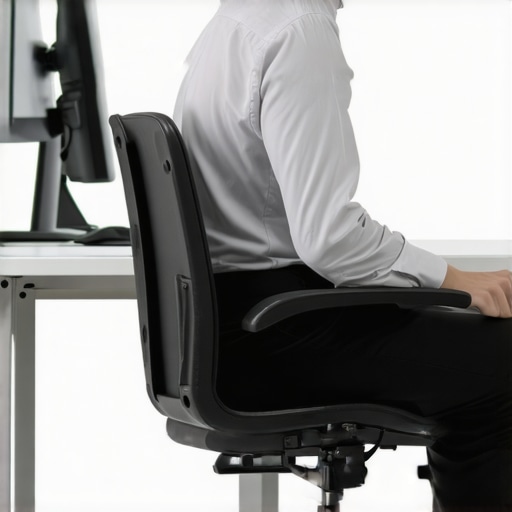
Ever just finished a long work session at my standing desk, only to be greeted by an ominous dull ache creeping through my lower back? It hits suddenly, like a betrayed friend turning on me after months of good intentions. I used to think that standing all day would keep my back healthy—so why did I feel worse? That lightbulb moment? I realized that how I sat, or more accurately, how I moved while standing, was crucial. The truth is, sitting or standing for too long, without proper adjustments, can insult your spine more than you’d expect.
Why Your Back Keeps Calling Out For Help
When I first tried to switch to a standing desk, I was thrilled—no more slouching in my chair, right? But instead, I found myself leaning forward, arching my lower back, and feeling that signature burning sensation days later. Turns out, standing isn’t a magic fix; it’s a technique. Without proper posture and micro-adjustments, your lower back can become a battleground. Did you know that about 80% of adults experience back pain at some point? That’s a staggering number, and many of those issues are linked to poor ergonomics and movement habits.
Early on, I made the mistake of thinking I just needed to stand tall and ignore the discomfort. Spoiler: that only made things worse. It’s like trying to build a house on a foundation of quicksand—your efforts fall flat. What I wish I knew then was that gentle, consistent adjustments and awareness of my body’s signals could have saved me a lot of pain. If you’ve faced this frustration, I get it. The good news is, with the right strategies, you can sit at your standing desk without turning your lower back into a dishrag.
Is Standing Comfort Really Achievable or Just a Myth?
Many skeptics worry that proper posture at a standing desk is just a myth—something only posh offices talk about. But I’ve learned that small, deliberate tweaks make all the difference. The key is movement, not static poses, and understanding your unique body mechanics. My own journey involved trial and error, plus a few costly mistakes like neglecting to distribute my weight evenly or ignoring the importance of core activation. Still, these lessons led me to a much healthier way to work.
If you’re tired of back pain sabotaging your productivity, stick around. I’ll guide you through simple, practical adjustments that will help you master the art of standing comfortably, all backed by expert tips. Ready to ditch the pain and stand tall with confidence? Let’s get started.
Centralize Your Weight for Better Balance
When I first started adjusting my standing desk, I was guilty of locking my knees and leaning all my weight into one foot. One day, I deliberately shifted my weight to evenly distribute it between both legs, imagining I’m balancing an egg on my foot. This simple tweak instantly felt more stable, and I avoided unnecessary strain on my lower back. To do this consistently, practice maintaining a slight bend in your knees and stand upright with your hips aligned over your ankles. This stance reduces pressure on your lumbar spine and promotes proper posture.
Set the Correct Desk Height for Comfort
My desk was initially too high, causing me to elevate my shoulders and crane my neck. I measured my elbow height when standing naturally and adjusted the desk so that my elbows bent at about 90 degrees. Picture your arms as the control arms of a strategic game—it’s about optimal leverage. Use a measuring tape or a level to find your ideal desk height, ensuring your forearms are parallel to the ground. This prevents shoulder shrugging and neck tension, which often lead to back discomfort.
Engage Your Core for Support
Early on, I ignored core engagement, thinking standing tall was enough. But I learned that activating my abdominal muscles like tightening a corset provided essential support for my lower back. To practice this, gently draw your belly button towards your spine and hold, as if preparing for a light punch. Think of your core as the foundation of a sturdy building; a strong foundation keeps everything aligned and prevents sagging that causes pain. Incorporate brief core contractions every 10-15 minutes to reinforce this habit.
Incorporate Movement to Break Static Standing
I used to stand still for hours, which I now know is a recipe for stiffness and back pain. Instead, I started adding micro-movements—shifting weight from one foot to another, gentle heel-raises, or ankle circles. Imagine your body as a vehicle with tires; keeping them moving prevents flat spots. Every 30 minutes, alternate between leaning forward, backward, and side to side, or do a few squats. These small, deliberate movements promote circulation and relieve tension, transforming static posture into dynamic stability.
Use Visual Cues for Erasing Poor Posture Habits
One memorable moment was setting a small mirror next to my workstation, giving me real-time feedback. Seeing my reflection reminded me to keep my shoulders relaxed, chin level, and spine neutral. Think of this mirror as a coach silently guiding your form. Regularly checking your posture reinforces good habits and helps you identify tendencies like slouching or craning your neck. After a week of mindful adjustments, these cues became second nature, drastically reducing my back discomfort.
Regularly Adjust Your Micro-Positions
My breakthrough came when I committed to small, frequent adjustments: tilting my pelvis slightly forward or back, raising my arms to stretch, or shifting my stance every 15 minutes. It’s like fine-tuning a musical instrument; continuous small tweaks keep everything in harmony. Remember, a static posture is the enemy, so make it a habit to reposition before discomfort sets in. This proactive approach is a cornerstone of sustainable back health at a standing desk.
Develop a Routine to Maintain Long-Term Health
Eventually, I created a daily routine—starting with mobility exercises, followed by posture checks, and scheduled micro-breaks. Think of it as a personalized health playlist, composed of moving and adjusting regularly. Incorporate exercises like gentle spinal twists, hip openers, or shoulder rolls from expert advice found at mobility exercises. Consistency in this routine built resilience, preventing pain and fostering a healthier all-day standing experience.
While conventional advice emphasizes perfecting static postures or rigid routines, the real nuance lies in understanding that mobility and posture are deeply dynamic processes. Many believe that consistency alone guarantees back health, but this oversimplification can be misleading. The truth is, overly focusing on static ‘correct’ positions often leads to neglecting the body’s natural movement patterns, which are crucial for long-term resilience. For instance, maintaining the same alignment without variations can cause muscles to stiffen, creating the very issues we aim to prevent. Recognizing this, experts suggest integrating controlled, purposeful movements throughout the day—something I discuss in detail on enhance your mobility tips for 2025.
Is Poor Mobility Just a Lack of Flexibility?
Many mistakenly equate mobility issues with flexibility deficits, but they are fundamentally different. Flexibility is about muscle length, while mobility involves the ability of a joint to move actively through its full range of motion, controlled and without pain. A common misconception is that stretching alone can solve mobility problems. However, focusing solely on static stretching can sometimes exacerbate imbalances or create joint instability if not combined with strengthening exercises. Incorporating dynamic movements and assessing your micro-adjustments, as highlighted in daily adjustments, is essential. An advanced approach involves understanding how neuromuscular control influences mobility—a nuance often overlooked by beginners. According to a study in the National Library of Medicine, improved motor control significantly reduces back discomfort associated with limited mobility. So, improving mobility isn’t just about limbering up—it’s about retraining your nervous system to control your movements better.
Keep It Working: Essential Tools for Long-Term Back Health
Investing in the right equipment can make a significant difference in maintaining your back’s health over time. I personally rely on a combination of ergonomic tools and software solutions to ensure my posture stays aligned and my movements remain intentional. One game-changer for me has been a quality adjustable monitor stand, which allows me to set my screen at eye level without hunching forward—a key factor I discuss in effective posture tips for 2025. This simple upgrade prevents neck and upper back strain, reducing cumulative stress on the spine.
Additionally, I use a seat cushion designed specifically for standing desks. It’s not a traditional orthopedic cushion but rather a dynamic sit/stand pad that encourages micro-movements, helping to combat stiffness. This aligns with my philosophy of integrating continuous, small adjustments—something I recommend exploring in daily posture adjustments. The cushion acts as a subtle reminder to shift weight and reposition frequently, fostering better circulation and posture awareness.
Should I incorporate tech to support my posture?
Absolutely. Wearable posture correctors are gaining popularity, and while I don’t endorse rigid braces, I do recommend smart wearables that vibrate when you slouch. They serve as real-time feedback tools that train your body to maintain optimal alignment without constant conscious effort. From my experience, pairing these devices with dedicated mobility routines—like the simple exercises outlined here—accelerates progress significantly.
How do I maintain improvements over time?
The key to longevity is building a routine around micro-maintenance techniques. Regularly recalibrating your workstation—making small adjustments to desk height, monitor position, and footwear—is vital. I schedule weekly quick assessments, much like the daily spinal alignment routines I describe in my practice. Furthermore, integrating advanced mobility tools like foam rollers or massage balls—used judiciously—can release chronic tensions and restore tissue health.
What trend do I see for future back care?
With the rise of personalized health tech, I believe the future holds smarter, data-driven solutions. Devices that track and analyze your movement patterns and provide tailored adjustment suggestions could become commonplace. Already, AI-powered apps are emerging that monitor posture via smartphone cameras, offering real-time feedback. Embracing these innovations now, paired with consistent manual maintenance, will set you up for sustainable back health in the long run.
One advanced tip I highly recommend trying today: incorporate a dedicated mobility routine using targeted tools like a tennis ball or foam roller to address tight spots before they turn into pain. According to this expert guide, routine self-myofascial release can keep tissues pliable and prevent chronic issues. Start with a 2-minute session focusing on your hips and pelvis—your back will thank you for it!
Over the course of my journey with standing desks, I realized that the most profound lessons came not from what I read or watched, but from what my body whispered during moments of discomfort and triumph. The resilience and adaptability of our musculoskeletal system are astonishing, yet often underestimated. One lightbulb moment was discovering that specific micro-movements and mindful adjustments unlocked the secret to sustainable back comfort—less pain, more productivity. Gone are the days of static postures; now, my back responds with gratitude when I embrace flexibility as a core principle, blending movement seamlessly into my work routine.
3 Lessons the Spinal Wisdom Revealed That Changed My Approach
- Muscles Want to Play: Static standing is a trap; our muscles crave variation. Incorporating gentle shifts and dynamic stretches keeps tissues relaxed and resilient. I learned that mental checkpoints—like pausing every 15 minutes to reconfigure—prevent stiffness from sneaking in.
- Small Tweaks Lead to Big Gains: A slight tilt of the pelvis or a subtle core engagement can significantly reduce strain. These micro-adjustments are my secret weapons, turning discomfort into a memory. Remember, perfection isn’t the goal—progress is.
- Listening Is Key: Tuning into bodily signals—whether a nagging ache or a fleeting tightness—guides me to act before pain becomes entrenched. This mindfulness transforms routine adjustments into a dialogue with your body rather than a chore.
- Consistency Outweighs Perfection: Building a daily habit of mindful posture and movement creates long-term benefits. It’s better to do small, intentional movements consistently than to aim for an ideal static posture that’s hard to maintain.
The Tools That Became My Back-Health Allies
- Ergonomic Monitor Stands: Elevating screens at eye level prevented neck tipping and upper back strain, as recommended in effective posture tips for 2025. It’s a simple yet transformative upgrade.
- Dynamic Sit/Stand Cushions: These allow subtle movement and encourage micro-variations, aligning well with my strategy of continuous adjustment. They keep circulation flowing and muscles responding naturally.
- Smart Posture Wearables: Devices that vibrate upon slouching serve as gentle, real-time feedback, helping me develop an intuitive awareness of my alignment over time. Integrating tech tools accelerates habit formation.
- Mobility Tools like Foam Rollers and Tennis Balls: Regular self-myofascial release routines, detailed in expert guides, loosen tight spots and stave off pain cycles. They’re my secret to tissue health and flexibility.
Step Into Your Power: Take Action Today
Adjusting your posture at a standing desk isn’t about perfection—it’s about creating a harmonious dialogue between movement, awareness, and comfort. When you embrace micro-movements, consult the right tools, and listen to your body’s signals, you set the stage for long-term back health that energizes rather than exhausts. Remember, the next step toward enduring comfort is yours to take; start today, experiment with small changes, and watch how your back responds with newfound resilience.
Are you ready to turn your standing routine into a dance of movement and mindful adjustments? Share your experiences or ask questions below—I’d love to hear what works for you or what you’re eager to try next!