
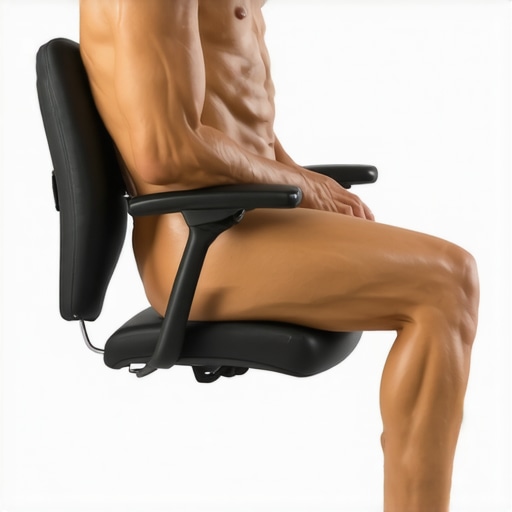
It hit me unexpectedly one morning—trying to consciously squeeze my glutes during every activity was causing more harm than good. My lower back felt tighter, stiffer, and more painful than it had in years. I’d been latching onto this popular advice, thinking that stronger, more engaged glutes meant a healthier back. But instead, I was exacerbating my issues. Maybe you’ve experienced a similar frustration—performing what should be helpful tips, yet feeling worse after. Well, I was in the same boat, and I want to share what I learned.
Why Squeezing Your Glutes Might Be Making Your Back Worse
The common guidance to “activate” or “squeeze” your glutes during exercises and daily movements seems logical—strong glutes support your pelvis and spine. But there’s a hidden trap: over-focusing on squeezing can inadvertently lock your pelvis into a position that stresses your lower back. Instead of promoting mobility and relief, it can cement poor postural habits.
Early on, I made the mistake of thinking that all core and glute engagement was beneficial. I didn’t realize that forcing this activation without proper awareness could lead to a chain of misalignments. Inevitably, this only worsened my chronic back pain. That’s when I stumbled upon a crucial insight—relaxing certain muscles and improving overall mobility can be far more effective than muscle tightening alone.
Today, we’re going to dismantle this misconception and explore smarter strategies that genuinely support spinal health. If you’ve been told to “squeeze your glutes” as a universal fix, then keep reading. We’ll dive into practical, research-backed tips that will help you move without pain and avoid ruining your spine.
Is this advice actually worth the hype? The skeptics’ view
I admit, I was skeptical at first—how can doing less sometimes be better? But I learned that forcing muscles into activity without understanding their role can lead to imbalance. If you’re worried about wasting time or making things worse, I understand. I’ve been there. The key is to focus on *how* you activate muscles, not just *that* you do. For more effective approaches, you might want to check out some gentle mobility strategies available [here](https://chiromasteryz.com/enhance-flexibility-top-mobility-strategies-for-active-living). Also, understanding posture’s complexities can help you break free from ineffective or harmful routines.
So, before you continue squeezing away, let’s examine what really helps—and what might be holding you back. Are you ready to discover how to support your spine without risking further injury? Keep reading, because your back will thank you.
Start with Gentle Breathing to Reset Tension
Before jumping into any movement, take a moment to focus on your breath. Sit comfortably, place one hand on your chest and the other on your abdomen. Inhale slowly through your nose, feeling your belly expand, then exhale fully through your mouth. This simple breathing exercise helps relax tight back muscles and reduces inauthentic tension that can worsen pain. I applied this technique during a busy morning, and within five minutes, I felt a noticeable decrease in back stiffness, making subsequent stretches more effective.
Focus on Controlled, Small Movements
Instead of trying to ‘activate’ your glutes forcefully, aim for tiny, controlled movements that promote awareness. For example, lie on your back and gently tilt your pelvis by flattening the lower back into the floor, then release. Repeat slowly, paying close attention to how each segment of your spine moves. This micro-movement approach helps you build neural connections and regain mobility without risking over-tightening or locking your pelvis into an unsafe position. During my practice, I noticed that small adjustments—done deliberately—enabled me to gain flexibility without inflammation.
Use the Connection of Mind and Body to Your Advantage
Visualize your muscles as strings that can be gently pulled or relaxed, rather than muscles that must be constantly squeezed. When I felt my lumbar region stiffening during a stretch, I consciously visualized releasing tension in my psoas and lumbar muscles. This mental shift allowed me to soften muscles that were contributing to chronic tightness, leading to a more natural and pain-free movement. This tactic aligns with expert advice found here.
Incorporate Dynamic Mobility Drills
Once you’re relaxed and aware, gently introduce mobility exercises that involve moving through your range of motion. Start with the cat-cow stretch: on hands and knees, alternate arching and rounding your back slowly. Focus on fluid, deliberate movements rather than bouncing or forcing. These drills help lubricate the spinal joints and alleviate stiffness caused by a sedentary lifestyle. I personally improved my morning routine by adding this drill, noticing less stiffness and improved posture by midday.
Adjust Your Sitting and Standing Habits
Poor postural habits exacerbate back tension. Instead of maintaining a fixed position, shift your weight frequently and adopt micro-adjustments, like standing on one leg momentarily or shifting your pelvis slightly forward and backward. Use a mirror or record yourself to ensure your pelvis remains neutral, avoiding excessive anterior or posterior tilts. Incorporate sensory cues like feeling your sit bones evenly distributed to reinforce proper alignment. Small, consistent changes in habits paid off—I no longer wake up feeling like I’ve been crushed by a ton of bricks. For additional tips on daily adjustments, visit this resource.
Prioritize Restorative Movement Over Forceful Activation
Remember, sometimes less is more. Instead of trying to squeeze your glutes constantly, focus on restoring movement patterns through gentle, deliberate actions. This approach prevents muscles from becoming overly tight or stiff and encourages a balanced, pain-free back. By integrating these steps into your routine, you’ll create a sustainable foundation for spinal health without risking further injury. For more detailed mobility strategies, check out here.
Many people assume that frequent, forceful adjustments or stretching are the secret to resolving chronic back pain or improving mobility. However, this perspective often overlooks the nuanced physiology of the spine and muscular system. Pressing too hard into flexibility routines or relying solely on manipulative therapies can sometimes entrench existing issues rather than solve them. In fact, aggressive or poorly executed adjustments may lead to ligament overstretching or joint instability, which can worsen pain over time. Recognizing that your body benefits most from patience, gentle movements, and mindful positioning is crucial. For example, studies highlight that gradual, controlled mobility exercises outperform sudden, forceful interventions for long-term relief (source: [here](https://chiromasteryz.com/why-your-super-cushioned-shoes-are-actually-killing-your-balance)).
Have you ever fallen into this trap? Let me know in the comments.
Why do some experts warn against relying solely on adjustments and stretching?
The key nuance often missed is understanding that the spine and surrounding tissues adapt best to a combination of soft tissue management, improved neuromuscular control, and environmental adjustments. Over-adjusting without addressing movement patterns can lead to a dependency cycle, where muscles and joints become overly accustomed to external manipulation instead of developing intrinsic stability. Furthermore, static stretching or aggressive mobilizations without proper activation balance may decrease proprioception, making one more prone to reinjury. For example, a study published in the Journal of Orthopaedic & Sports Physical Therapy indicates that motor control exercises combined with mobility work produce superior outcomes compared to passive treatments alone. This underscores the importance of integrating gentle, active approaches with cautious adjustments rather than viewing them as standalone solutions.
In my experience, a holistic approach that respects the body’s own healing timelines—focusing on easing into motion and training stability—yields better, more sustainable results. To explore comprehensive strategies that build true resilience, consider reviewing [here](https://chiromasteryz.com/unlock-better-back-health-effective-posture-tips-for-2025).
When considering adjustments or mobility work, avoid the trap of pushing through pain or neglecting muscle imbalances. Instead, think of your body as a well-tuned instrument: it responds best to gradual tuning and respectful handling.Maintaining spinal health and mobility over the long term requires more than just occasional stretches or quick fixes. Investing in the right tools can make a significant difference in how effectively you manage and improve your posture and back health. One of my go-to recommendations is a high-quality foam roller. I personally use a dense, textured foam roller to release tension in my thoracic and lumbar regions. The key is to select one with the right firmness—too soft won’t provide enough pressure, while too hard might cause discomfort. Regularly rolling out tight muscles helps improve flexibility and reduces chronic stiffness.
Another invaluable tool is a tennis ball or a specialized massage ball. I use a tennis ball for targeted myofascial release, especially around my hips and glutes, which are often overlooked but crucial for spinal stability. For example, rolling my psoas or piriformis can alleviate subtle nerve impingements before they turn into serious pain. The benefit of these simple, yet effective, tools lies in their affordability and portability—they can be used effortlessly at home or even at work.
In terms of software, I recommend employing mobility tracking apps, such as the ones that prompt daily stretch routines based on your customized needs. These programs integrate with wearable devices to monitor progress and ensure consistency. For instance, if you notice increasing stiffness or discomfort, the app can suggest specific exercises, like those outlined in our cornerstone [mobility strategies](https://chiromasteryz.com/enhance-flexibility-top-mobility-strategies-for-active-living), tailored to your data.
Predicting where this trend is heading, I believe we’ll see a rise in integrated systems combining biofeedback, AI-driven routines, and biomechanical assessments—making personalized, adaptive mobility maintenance more accessible than ever.
How do I keep my mobility habits sustainable over time?
To sustain long-term mobility and posture improvements, consistency is key. Incorporate tools like foam rollers and massage balls into a daily routine, starting with brief sessions (5-10 minutes) and gradually increasing as your tolerance improves. Set reminders through your preferred apps to ensure you don’t skip days. Also, periodic self-assessment can alert you to emerging issues, allowing proactive adjustments. For example, I revisit my mobility routines every month, tweaking exercises based on how my body feels and specific areas of tightness.
Remember, improvements compound over time. The investments in the right tools and mindful habits today will pay dividends in your spinal resilience tomorrow. To deepen your understanding and explore advanced strategies, check out [this resource](https://chiromasteryz.com/unlock-better-back-health-effective-posture-tips-for-2025).
Lessons from the Front Lines of Back Care
One of the most eye-opening lessons I learned is that pushing muscles into constant contraction, especially the glutes, doesn’t always support back health—it can worsen it. I used to believe that a tight core and engaged glutes were the answer, but over time, I realized that learning to relax and move mindfully creates a more stable and pain-free spine. Another insight was recognizing that mobility isn’t about forcing your body into positions but gently guiding it there, respecting its natural limits. Finally, I discovered that superficial fixes like endless stretching can give short-term relief but fail to address the underlying motor control issues. Truly resolving back pain requires patience, self-awareness, and a willingness to adapt strategies that honor your body’s unique needs.