
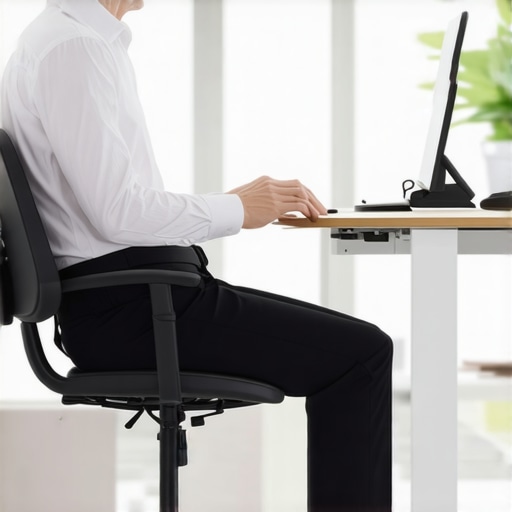
I remember the moment vividly: after a full day of staring at my computer, I leaned back, expecting relief—but instead, a sharp pain shot through my lower back like a lightning bolt. It was then I realized I’d been neglecting the one area that bears the brunt of my sedentary lifestyle—the pelvis. Like many desk workers, I was caught in a cycle of discomfort, thinking stretches and quick fixes would do the trick, but nothing truly stuck.
That lightbulb moment pushed me to explore a more intentional approach to my posture and movement. And what I discovered changed everything—introducing the concept of the Seated Pelvic Reset. This simple, mindful practice transformed my daily routine and alleviated persistent back pain I had thought was unavoidable.
Today, I want to share with you how a few small adjustments in your seated habits can make a monumental difference. If you’re tired of that nagging ache or the stiffness that sneaks up after hours at your desk, this post is your starting point. I’ll guide you through practical steps rooted in personal experience and backed by experts, helping you reclaim your mobility and comfort during those long workdays.
Why Your Pelvis Might Be the Hidden Culprit in Your Back Pain
Many people overlook the pivotal role the pelvis plays in overall back health. When sitting for hours, your pelvis tends to tilt forward or backward, disrupting your spinal alignment and putting unnecessary strain on your lower back. Over time, this can lead to chronic discomfort, tight muscles, and even nerve compression.
Early on, I made a mistake common among many: neglecting to actively counteract this pelvic tilt. I kept trying to stretch my back or strengthen my core without addressing the root, which only provided temporary relief. It wasn’t until I learned to reset my pelvic position consciously that I experienced lasting improvements.
An effective way to combat this is through targeted movements and mindful sitting adjustments, often referred to as the Seated Pelvic Reset. This technique encourages proper pelvic alignment, reducing undue pressure on your lumbar spine and fostering better movement patterns throughout your day.
If you’ve faced persistent low back pain despite stretching or strengthening, you’re not alone. The good news is, making a simple change in how you sit and move can significantly impact your comfort. Curious how to get started? Let’s dive into the actionable steps that turned my daily grind into a pain-free experience.
For more insights on improving mobility and tackling back pain head-on, check out [Mobility Mastery: Simple Exercises to Relieve Chronic Back Pain](https://chiromasteryz.com/mobility-mastery-simple-exercises-to-relieve-chronic-back-pain). Remember, small adjustments can lead to a monumental difference in your health—are you ready to give your pelvis the attention it deserves?
Engage Your Pelvis Through Conscious Alignment
Start by sitting upright and imagine your pelvis as a bowl that can tilt forward or backward. To find neutral, gently rock your hips like you’re tipping a bowl, tilting it slightly forward and back until you find the middle ground. I once tried this during a work break, and initially, it felt awkward—like trying to balance a cup on a shaky table. But after a few minutes, I experienced a noticeable relief in my lower back, confirming the importance of this simple first step.
Activate Your Core for Stability
Think of your core as the pillar that holds up your house. To reinforce it, perform gentle pelvic tilts while lying on your back, knees bent, feet flat. Flatten your lower back into the floor as you tilt your pelvis, then release. I did this when my backache worsened after a long stretch at my desk. Consistent practice over a week made a real difference, making my movements more controlled and reducing flare-ups.
Incorporate Micro-Movements Into Your Routine
Instead of static sitting, introduce micro-movements like subtle hip circles or shifts. Imagine your pelvis as a steering wheel that you turn gently back and forth; this prevents stiffness. Once, during a conference call, I subtly rotated my hips, feeling both a stretch and increased circulation. It’s like oiling a squeaky hinge—small, frequent nudges keep things running smoothly.
Adjust Your Sitting Setup for Daily Success
Modify your chair so that your thighs are parallel to the ground, feet flat, and lower back supported. Think of your chair as a custom throne built for your body. I adjusted my lumbar support after reading an article, which immediately alleviated pressure points. This one tweak is often enough to prevent pelvic tilt from exacerbating your pain.
Practice Pelvic Reset in Short Bursts
Set a timer for every 30 minutes to do a quick pelvic reset—rock forward, then back to neutral. It’s like hitting a reset button during your workday. I once ignored this advice, and my back pain intensified; after adopting these micro-breaks, I noticed less stiffness and discomfort.
Integrate Breathwork to Enhance Awareness
Deep breathing anchors your focus to your pelvis and core. Inhale fully, expanding your belly and relaxing your shoulders, then exhale and gently tighten your abdominal muscles. I added this to my routine after noticing that mindful breathing increased my pelvic control, making the physical adjustments more effective.
Track Progress by Noticing Subtle Changes
Keep a journal to observe how these adjustments influence your comfort. It’s like tuning a musical instrument—you start with small tweaks and listen for harmony. I kept notes on my pain levels, which helped me identify the most effective corrections for my body.
Remember, the key is consistency and mindful attention. These steps aren’t quick fixes but foundational practices that gradually restore pelvic health, reduce back pain, and improve overall mobility. For additional strategies, explore this comprehensive guide to posture and movement, which complements these core actions.
Many people believe that perfect posture is about maintaining a rigidly upright position at all times. However, this oversimplification often leads to more tension and discomfort. In reality, there’s a nuanced dance between flexibility and stability that many overlook. For instance, stretching beyond your body’s natural limits can weaken supportive muscles, making injury more likely, as highlighted in Dr. Stuart McGill’s research on spinal health. Instead of blindly hunting for ‘correct’ postures, focus on dynamic movements that promote functional mobility.
A common trap is the fixation on static alignment without considering the body’s adaptive rhythms. This can cause you to ignore subtle warning signs of imbalance, such as asymmetrical movement patterns, which are often precursors to pain. Regularly assessing these patterns with that in mind can prevent chronic issues. If you want to get technical, advanced practitioners often use motion analysis to tailor corrective strategies, ensuring a precise approach to improvement.
Beware the myth that all discomfort can be fixed with a quick adjustment or stretch. Sometimes, pain emanates from deeper imbalances or compensations in other areas, like the hips or even the feet. For example, limited ankle mobility can cascade up to cause incorrect pelvis tilt, worsening back pain. Incorporating holistic assessments, such as the ones discussed in our guide on mastering mobility, can uncover these less obvious contributors.
How do you differentiate between a fleeting discomfort and a sign of a deeper issue? A key step is to monitor your body’s responses over time and consider a comprehensive evaluation if symptoms persist. Remember, making micro-adjustments during daily routines—like proper sitting setup or targeted activation exercises—is often more effective than drastic changes.
An often-overlooked nuance is that mobility isn’t just about range of motion but also about control within that range. For instance, being able to move your pelvis freely is useful, but controlling that movement precisely is what prevents injury. This principle is central to functional training approaches, which emphasize control rather than mere flexibility.
Incorporating mindful movement practices, such as the pelvic resets we discussed earlier, can recalibrate your body’s awareness and help break bad habits. If you’re interested in deeper insights, exploring our comprehensive strategies on mastering mobility for pain-free movement could be the next step.
Remember, true progress depends on understanding these hidden nuances. Have you ever fallen into the trap of misinterpreting discomfort or overextending in your efforts? Let me know in the comments, and let’s keep the conversation going.Maintaining good posture and mobility over the long term requires more than just awareness—it demands reliable tools and consistent routines. Personally, I rely on a combination of specific equipment and software to track progress, reinforce habits, and ensure my adjustments translate into lasting results.
Smart Feedback Devices That Keep You on Track
One of my go-to tools is the **Posture Reminder Sensor**—a discreet wearable device that vibrates gently if I slouch or lean forward during work. I use this because it provides immediate, tangible feedback that helps me correct my alignment in real-time, fostering awareness beyond just mental reminders. Such technology is evolving rapidly; in the future, I predict these devices will integrate AI to analyze posture patterns over weeks, offering personalized recommendations.
Apps That Reinforce Movement Habits
I’ve found that **mobility tracking apps**—like **MoveWell**—are invaluable. They log my daily mobility exercises, remind me to perform micro-movements, and even record my flexibility progress. I personally set reminders for micro-breaks every 30 minutes, aligning with micro-movement practices I learned from authoritative sources like this guide. Incorporating these nudges has significantly prolonged the benefits of my initial posture corrections.
Foam Rollers and Resistance Bands for Self-Myofascial Release
Tools like foam rollers and resistance bands are staples in my routine. I use a medium-density foam roller to release tight muscles around my hips and lower back—often the root of postural imbalances. I find that consistent myofascial work with these tools prevents stiffness accumulation, especially after long periods of sitting. To ensure effectiveness, I follow techniques recommended by experts such as in this article.
Encouraging long-term success, I also incorporate resistance bands for strengthening and stability exercises, which help reinforce good posture habits and prevent regression. Regularly revisiting these tools and routines keeps my mobility fluid and pain levels minimal.
How do I maintain posture and mobility gains over time?
The key is consistency intertwined with periodic reassessment. I schedule weekly reviews of my progress, adjusting my routines as I learn what’s working and what isn’t. Additionally, I consult resources like this comprehensive guide for advanced strategies to refine my approach. Staying engaged with these tools and knowledge helps prevent complacency and ensures that your improvements aren’t just temporary fixes.
As technology advances, the synergy between wearable feedback, digital tracking, and targeted self-myofascial techniques will only become more seamless. I recommend trying a combination of a posture sensor and mobility app to see immediate feedback and long-term data—these tools complement each other and are a solid investment in your health. Remember, the goal is sustainable habits. Small, consistent adjustments—supported by reliable tools—can dramatically improve your posture’s durability and your overall mobility, empowering you to move with ease for years to come.
The Hidden Lessons That Changed My Approach to Back Pain
One of the most profound realizations I had was that back pain isn’t just about stretching or strengthening; it’s about the subtle, often overlooked, position of your pelvis. I used to chase quick fixes, but the true breakthrough came when I understood that proper pelvic alignment could make or break my mobility—and perhaps yours too. Recognizing the importance of these small but impactful adjustments has transformed how I sit, move, and live, reminding me that sometimes, less is more, and awareness is the greatest tool in pain prevention.
Tools That Make the Difference in Long-Term Posture and Mobility
My journey has been supported by some trusted tools that genuinely enhance my progress. The Mobility Mastery guide opened my eyes to effective exercises that I still use today, providing a solid foundation. The Posture Correction Secrets book kept me motivated and informed. Additionally, using a simple posture reminder sensor helped me stay conscious of my alignment during busy days, proving that integrating technology can be a game-changer. Trusting these resources has empowered me to maintain lasting improvements beyond quick fixes and fleeting routines.
Embrace Your Power to Change—Start Today
Your journey toward better posture and relief from back pain isn’t about perfecting everything overnight—it’s about consistent, mindful actions. Remember, small micro-adjustments, backed by tools and awareness, can lead to significant, lasting results. The key is to keep reminding yourself that your body responds to the attention and care you give it. You have the potential to reclaim your mobility and comfort—so why wait? Start with one simple reset today, and build from there. The future of pain-free movement is within your reach.