
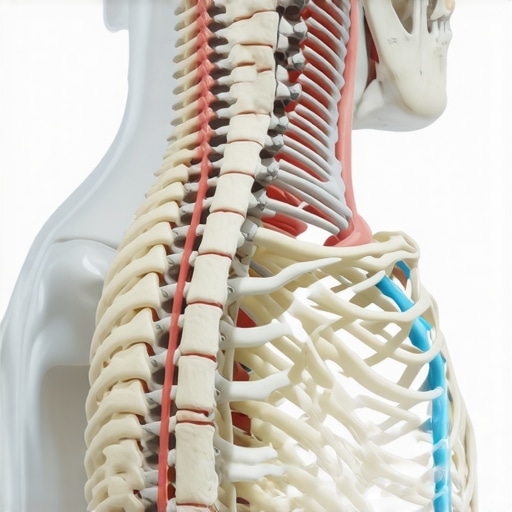
It was a typical Tuesday afternoon when I felt that familiar tension creeping up my neck after hours at the computer. Without thinking, I reached up and gave my neck a quick crack—just a little pop, a brief relief. But that night, I woke up with a strange sensation—a dull ache and a feeling that my neck was somehow less stable than before. That lightbulb moment hit me hard: could my own habit of cracking my neck be doing more harm than good?
The Hidden Danger of Self-Adjustments
I’ve learned through personal experience—and a lot of research—that frequently cracking your own neck can actually loosen the ligaments that support your cervical spine. Ligaments are supposed to hold things steady, but if they become too loose, it can lead to persistent neck instability, pain, and even increase the risk of injury.
One startling fact I came across is that repetitive neck cracking may reduce the strength of your ligaments over time, making your neck more vulnerable to strains and sprains. In fact, a study published in the Journal of Chiropractic Medicine highlighted how habitual cracking can lead to ligament laxity, especially if done improperly or excessively. This isn’t about exaggerating dangers—many people crack their necks without issue—but understanding the potential consequences helps us make smarter choices.
If you’ve ever experienced a fleeting relief from cracking but then felt lingering discomfort or increased tightness, you’re not alone. It’s a pattern I saw in myself, and I suspect many of you face similar issues. The good news? There are safer, more effective ways to improve neck mobility and reduce pain without risking ligament laxity.
What Went Wrong When I Cracked My Neck
Early on, I made the mistake of thinking cracking was a quick fix—easy, instant relief. I believed that cracking my neck was harmless, a simple way to banish that annoying tension. But over time, I noticed my neck becoming more unstable, and the relief started to fade faster. That’s when I realized I needed a better approach to neck health. If you’re curious about how proper adjustments can benefit your posture and reduce discomfort, check out effective posture tips that emphasize sustainable solutions.
So, in this post, I promise to share what I’ve learned—how to avoid ligament loosening, the exercises that can support your neck’s stability, and lifestyle habits that promote healthy mobility. The goal is to help you regain control over your neck and prevent issues before they spiral out of control.
Build Awareness of Your Movement Habits
Start paying attention to how often and why you crack your neck. Use a journal or an app to track triggers like stress, fatigue, or certain positions. When I first tracked my habits, I realized I cracked my neck more during long work sessions. Recognizing these patterns allowed me to implement targeted strategies.
Prioritize Proper Posture Throughout the Day
Imagine your neck as the rope holding a banner — if it’s crooked, the banner flaps and strains. Maintain a neutral spine with your head aligned over your shoulders. Adjust your workspace ergonomically by elevating your monitor and using a supportive chair. Regularly check your posture by using mirrors or repositioning yourself. This reduces unnecessary strain that makes you want to crack your neck to relieve tension.
Incorporate Daily Postural Checks
Set alarms or reminders to pause and realign your neck and shoulders. A quick reset can prevent built-up tension. For example, I set a timer every 30 minutes, and each time, I paused to roll my shoulders back and gently stretch my neck. This habit significantly lowered my impulse to crack my neck.
Strengthen Supporting Muscles
Strong muscles around the cervical spine stabilize your neck and lessen dependency on cracking for relief. Focus on exercises that target the upper back and shoulders, like scapular squeezes or plank variations. When I added these into my routine, I felt my neck’s stability improve, and my cracking decreased noticeably.
Perform Gentle Mobility Movements
Keep your neck and spine flexible with controlled movements. Simple neck rotations, side bends, and frequent stretches help maintain mobility. Incorporate functional movements into your day, such as turning your head to check blind spots during walking — this mimics active mobility and reduces stiffness.
Apply Safe Self-Help Techniques
Instead of cracking, try gentle self-mobilization. For example, use your hand to gently support and guide your neck through comfortable ranges of motion. Be cautious to avoid rapid or forceful movements that could damage ligaments. I practiced slow, controlled neck circles during breaks, which provided relief without risking ligament laxity.
Utilize Therapeutic Tools Wisely
Tools like foam rollers or massage balls can target tight muscles but should be used with guidance. Avoid aggressive rolling over sensitive areas. For instance, I used a tennis ball against my upper back to release tension, which reduced my urge to crack my neck and alleviated discomfort.
Embrace Regular Movement and Activity
Stay active to promote overall spinal health. Sitting for extended periods weakens supporting muscles and increases tension. Incorporate breaks to stand, stretch, or walk. I started taking brief walks every hour, which kept my muscles engaged and reduced stiffness — a process that over time decreased my need to self-manipulate my neck.
Practice Deep Breathing and Relaxation
Stress often leads to muscle tightness, prompting cracking. Deep, diaphragmatic breathing helps relax tense muscles. Before sleep or during stressful moments, I practiced slow inhales through the nose, holds, and exhales, helping my neck muscles relax naturally.
Many people believe that frequent adjustments or cracking their back leads to immediate relief and even long-term health benefits. However, this common misconception overlooks the complex biomechanics involved in our spinal health. Contrary to popular belief, not all adjustments are beneficial, and overdoing them can sometimes do more harm than good. For instance, habitual cracking may seem harmless but can subtly weaken your ligaments, leading to greater instability over time. As highlighted in a study by the Journal of Chiropractic Medicine, repetitive self-adjustments, especially when improper, can result in ligament laxity, risking chronic issues.
Understanding this nuance is crucial—many perceive adjustments as a quick fix but neglect the importance of building foundational support through proper posture and mobility exercises. This oversight can lead to a cycle where temporary relief encourages more cracking, compounding the problem without addressing root causes. To truly improve spinal health, focus on the cornerstone strategies like maintaining ergonomic awareness, strengthening supporting muscles, and practicing controlled mobility techniques.
Why Do So Many Get It Wrong When Adjusting Their Posture?
Most people fall into the trap of relying solely on quick fixes rather than adopting a comprehensive approach. They might diligently stretch or crack their neck, believing these act as perfect remedies, yet ignore the importance of daily habits and environment. This shortsightedness often perpetuates pain instead of alleviating it. For example, neglecting ergonomic setup or core stability can cause their efforts to backfire, leading to minimal progress or even worsening symptoms. As I’ve learned, consistent, mindful adjustments—like mobility routines and posture correction—are essential to sustainable spinal health.
Moreover, many overlook the significance of movement variability. Staying static in poor posture for too long can diminish spinal resilience. Here, integrating movement-rich practices not only prevents stiffness but also encourages the natural alignment and strength your body needs. This approach echoes the advice of experts who advocate for holistic techniques—like those detailed in posture correction strategies—to break the cycle of pain and discomfort.
Remember, the journey to better back health isn’t about quick fixes but about understanding the intricate mechanics of your body, respecting its limitations, and fostering adaptive habits. Do you think you’ve fallen into common traps with your posture or adjustments? Let me know in the comments and share your insights. Together, we can uncover those hidden nuances and move towards a pain-free, more agile life.
Keeping It Working with the Right Tools
Maintaining a healthy, mobile spine over time requires more than just good posture and exercise routines; it calls for investing in targeted tools designed to support your specific needs. I personally rely on a few key pieces of equipment that have proved invaluable in my ongoing journey toward better back health. These tools not only assist in daily maintenance but also empower you to manage discomfort proactively and prevent future issues.
One essential tool I recommend is a high-quality foam roller. Not all rollers are created equal—look for one with a medium-density surface that offers enough firmness to release tension without causing unnecessary pain. I personally favor a smooth, dense foam roller because it helps in releasing my tight thoracic muscles and prevents stiffness that often leads to neck and back pain. Regularly using a foam roller as part of your mobility routine can significantly improve tissue resilience and prevent the chronic tightness that triggers discomfort.
Another piece of equipment that’s become a staple in my regimen is a tennis ball or a specialized massage ball. These are perfect for targeting small, hard-to-reach areas like the muscles around your shoulder blades or deeper into your hips. I use a tennis ball against my upper back, specifically targeting trigger points that contribute to neck tension and poor posture. Using these balls with controlled, gentle pressure can prevent muscle knots and improve circulation, ultimately supporting your long-term mobility and reducing the need for drastic adjustments or crackling.
When it comes to software, I swear by mobility tracking apps. These tools help me monitor my daily movement habits, reminding me to take breaks, stretch, or perform specific exercises. Consistent movement is key to preserving spinal health, and being able to log my activities helps me identify patterns that might lead to stiffness or discomfort. Integrating technology into your routine ensures you stay mindful and proactive about maintaining proper alignment and mobility over the long haul.
Looking ahead, I predict that the future of spinal health tools will become more personalized, leveraging biofeedback and AI-driven data to tailor programs uniquely suited to each individual’s biomechanics. Wearable devices capable of real-time posture correction and muscle activation monitoring are already emerging, promising to make maintenance even more precise and effective.
How do I keep my tools effective over time?
To maintain these tools’ benefits, consistency is crucial. Regularly incorporate foam rolling, targeted release with massage balls, and tracking into your daily or weekly schedule. Clean your equipment as recommended to prevent bacteria buildup, and replace tools like foam rollers when they lose their firmness or develop cracks. Also, stay attentive to your body’s feedback—if a particular tool or technique no longer feels helpful, consider consulting a specialist for tailored advice.
If you haven’t already, try using a foam roller for just five minutes daily—focusing on your upper back and hips—to unlock tighter muscles and support mobility. Remember, small, consistent actions are the foundation for sustainable back health. For more advanced strategies, you might explore top mobility techniques tailored to active lifestyles.
Throughout my journey exploring spinal health, I’ve uncovered insights that challenge common perceptions—lessons I wish I knew earlier. One crucial realization was that quick fixes like neck cracking might provide temporary relief but often come at a hidden cost. For example, I learned that habitual cracking can weaken ligaments, leading to increased instability over time, a fact I discovered through personal experience and research. Recognizing that my attempt to alleviate tension was possibly contributing to my problems shifted my perspective entirely. Additionally, I understood the importance of prioritizing foundational habits, such as proper posture and muscle reinforcement, instead of relying solely on self-manipulation or quick stretches. This shift has empowered me to focus on sustainable strategies that promote real mobility and long-term comfort rather than short-lived relief. Lastly, embracing a consistent routine of gentle mobility movements and mindful movement habits has been a game-changer, proving that small, intentional actions outperform careless quick fixes in the long run. These lessons underscore the importance of patience and mindfulness in caring for our spine, reminding us that meaningful change happens gradually and with awareness.”