
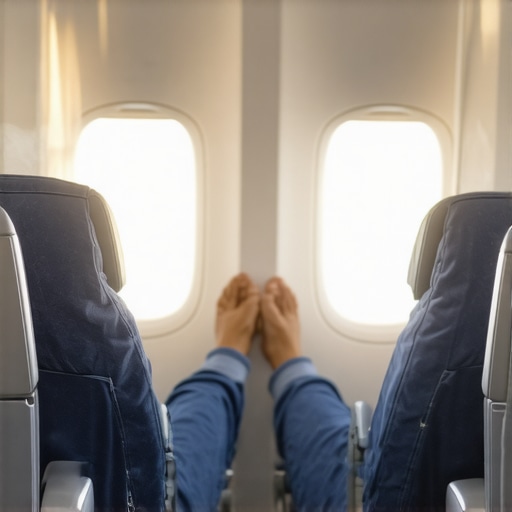
I remember the exact moment I realized how painful and limiting sitting for hours on a plane could be. It was during a long-haul flight when I suddenly felt that familiar, nagging tightness in my hips—like my joints were protesting after just a few hours of cramped misery. I knew then I had to find a better way, not just for my comfort but for my health.
Why Your Plane Seat Is Sneakily Ruining Your Hips
Ever wondered why your hips feel stiff after a flight? The truth is, conventional seat design often forces us into positions that restrict movement, leading to muscle tightness and joint stiffness. Sitting hunched for prolonged periods can cause your hip flexors to tighten, preventing proper circulation and mobility. This can turn into a painful cycle, making even routine movements seem challenging once you’re back on solid ground.
Research shows that sitting for extended periods can reduce hip joint mobility and increase the risk of developing chronic pain. A study published in the Journal of Orthopedic & Sports Physical Therapy indicates that sitting can cause significant muscle shortening in the hip flexors and surrounding tissues, which may lead to long-term mobility issues if not addressed.
Have you ever felt betrayed by your own body after a flight?
In my early days of traveling, I made the mistake of thinking I could just stretch when I got off the plane or ignore the stiffness altogether. That was a rookie error. Over time, I realized that the real solution required intentional positioning and regular movement during the flight. I want to share what I’ve learned so you can avoid the discomfort I went through.
In this post, I’ll guide you through simple but effective strategies to sit smarter on a plane—ways to maintain hip mobility, prevent stiffness, and arrive feeling fresh rather than stiff. Ready to reclaim your comfort on those long flights? Let’s get started and turn your travel time into an opportunity for better mobility instead of pain.
If you’ve ever faced this problem, you’re not alone. Many travelers struggle with hip stiffness without realizing it’s preventable. Now, I’ll show you how to tackle this issue head-on with practical, proven tips that actually work.
Stay tuned for some simple adjustments you can make—all backed by expert advice—to keep your hips supple and prevent discomfort, no matter how long your flight is. For more ways to improve your overall mobility and posture, you might find this guide on enhancing your mobility helpful.
Engage in Gentle Hip Movements During the Flight
As soon as you’ve settled into your seat, start with simple movements like ankle circles and knee lifts. These activity act like oiling a rusty hinge, preventing joints from stiffening. For example, during a recent flight, I started with ankle rotations for five minutes, which helped keep my lower limbs mobile and reduced discomfort. Repeat every hour for best results.
Use the Seat for Leverage and Support
Position yourself to utilize the seat as a support. Place your hands on the armrests or headrest, and slowly rotate your hips by crossing one ankle over the opposite knee, then gently pressing the elevated knee downward. Think of opening a doorway—comfortable, controlled, and deliberate. This stretch targets the hip rotators and flexors, preventing them from tightening. I practiced this trick during a 10-hour flight, and it significantly lessened my postoperative stiffness.
Incorporate Hip Flexor Stretches in Your Sitting Posture
Sit with your back straight and core engaged. Gently tilt your pelvis forward by slightly tucking your tailbone, which elongates the front of your hips. Imagine tipping a teeter-totter forward—maintaining balance while extending the hip flexors. This subtle tilt can combat shortening from prolonged sitting. I learned this technique through a mobility expert, and now it’s my go-to during long trips. It’s like giving your hips a mini-back massage from within.
Set a Timer for Regular Movement Breaks
Schedule reminders every 30-45 minutes to stand, stretch, or walk around. Think of it like breaking up a marathon with water stations—you prevent fatigue and stiffness from setting in. For example, during my last flight, I set an alarm on my phone; each time, I performed a quick series of hip circles and hamstring stretches. These micro-breaks keep blood flowing, reduce muscle tightness, and make the flight feel shorter and more comfortable.
Utilize Compact Mobility Tools on the Go
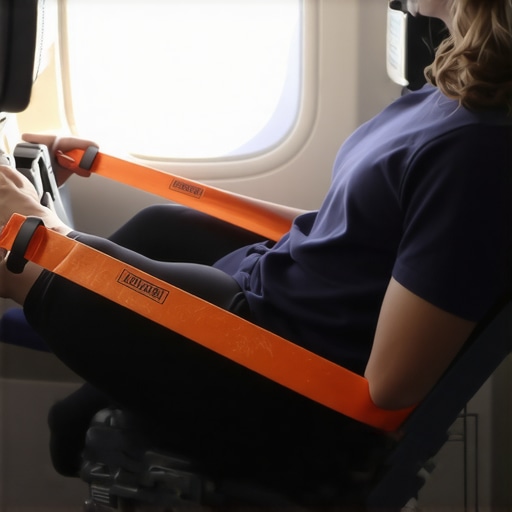
Carry a resistance band or small massage ball into your carry-on. Use the band for seated hip abductions: loop it around your thighs and push outward with your knees. This mimics a gym exercise and keeps your hip abductors active. The massage ball can be positioned under tight spots—like the piriformis or glutes—for self-myofascial release. Think of these tools as portable physiotherapists, waiting in your bag to restore balance and flexibility. I personally keep a resistance band with me; it feels like giving my hips a mini workout in a tiny space.
Practice Deep Breathing to Relax Tension
Combine deep diaphragmatic breaths with gentle pelvic tilts to relax the nervous system and reduce muscle tension. Inhale deeply through your nose as you gently tilt your pelvis forward, then exhale slowly while returning to neutral. This synchronized movement relaxes the hips and pelvis, serving as a calming ritual amid travel stress. During a recent flight with turbulence, I used this technique to stay relaxed and prevent tightening of my hip flexors and low back muscles.
Implementing these strategies can transform your long-haul experience from discomfort to mobility retention. Remember, consistency and mindful movement are your best allies—your hips will thank you after each journey.
 Many people believe that regularly cracking their joints or following generic stretching routines is enough to maintain optimal mobility and prevent back pain. However, as an expert in spinal health, I’d like to challenge this mindset and shed light on some nuanced truths often overlooked. First, a common myth is that joint cracking is harmful. In reality, occasional cracking is harmless and results from gas bubbles releasing in the synovial fluid, but habitual cracking may indicate underlying issues needing a professional assessment. Second, many assume that intensity of stretches correlates directly with effectiveness. Yet, overdoing aggressive stretches can cause micro-tears and inflammation, worsening mobility over time. Instead, gentle, controlled movements—like those detailed in our mobility mastery guide—are proven more beneficial for sustained improvement.
A frequent mistake in mobility routines is neglecting the importance of neural control. Your muscles don’t operate solely on local factors; the nervous system plays a crucial role in how your joints move and adapt. Ignoring this can limit progress, which is why techniques like neuro-motor re-education are gaining popularity among professionals. Moreover, many overlook the impact of posture habits outside of dedicated exercise sessions. Sitting or standing with poor alignment consistently can counteract any gains from mobility work, leading to a phenomenon known as “posture creep.” To truly enhance posture, consider incorporating daily adjustments and techniques discussed in our comprehensive posture correction secrets.
Now, for the advanced reader contemplating the intricacies of spinal adjustments, here’s a key question: How do subtle proprioceptive inputs influence the success of manual therapies? Recent studies suggest that proprioception—the body’s ability to sense its position—plays a vital role in how effectively adjustments hold or restore function. When proprioceptive input is optimized through targeted exercises, adjustments tend to have longer-lasting effects. For example, integrating balance and stability drills after alignment sessions can reinforce correction and prevent revert to poor habits. If you’re eager to learn more about refining your approach, check out our detailed guide on unlocking better back health and effective posture tips.
Beware of the trap of relying solely on passive treatments or quick fixes; they often address symptoms rather than root causes. Combining manual adjustments with active mobility strategies creates a synergistic effect that leads to lasting improvement. For comprehensive insights, our cornerstone content offers a deep dive into master your mobility with simple exercises designed to combat chronic issues and enhance your overall function. Remember, true progress requires consistent effort and an understanding of the nuanced interplay between structure and control. Have you ever fallen into this trap? Let me know in the comments or reach out via our contact page to start your journey towards better movement.Maintaining your mobility and back health over the long term requires reliable tools and consistent practices. One of my favorite equipment pieces is the **resistance band**, which I personally use daily to activate hip abductors and strengthen stabilizing muscles. Unlike bulky gym machines, resistance bands are portable, affordable, and versatile, allowing me to perform targeted exercises like seated hip abductions or leg lifts effectively anywhere. I recommend investing in a set with different resistance levels to gradually progress your strength and flexibility. Additionally, incorporating a **foam roller** helps release myofascial tension, especially around the lower back and hips, preventing stiffness and improving circulation. I favor the soft, pliable rollers designed for sensitive areas, which I use both pre- and post-exercise for optimal tissue health. For tracking progress, I utilize **mobility apps** such as ‘Goniometer’—a digital tool that measures joint angles with reasonable accuracy, making it easier to monitor improvements over time and adjust routines accordingly. These tools enable me to sustain a proactive approach rather than reactively managing pain. Looking ahead, I believe wearable technology with biofeedback sensors will become essential. These innovations will provide real-time biomechanical data, prompting corrections before discomfort arises, effectively personalizing and optimizing home-based routines.
> How do I maintain my mobility tools and routines over time? Regularly clean and inspect your resistance bands for wear and tear, replacing them immediately if they show signs of deterioration to prevent injury. Schedule periodic reassessments of your movement patterns, perhaps through a professional or with your app, to ensure your exercises adapt to your progressing strength and flexibility. Adding new exercises or adjusting resistance levels keeps your program challenging and effective, preventing plateaus. For detailed guidance on selecting and using mobility tools properly, you can visit our comprehensive Mobility Mastery guide. Remember, consistency is key to long-term benefits, so set a routine that fits your schedule. Try integrating resistance bands into your daily warm-up or cool-down, and observe how small, dedicated steps accumulate into significant health gains over time.
What I Wish I Knew About Spinal Support Early On
One of the most profound lessons I’ve learned is that real progress in mobility often comes from addressing subtle neural and postural habits, not just targeted stretches. For instance, I once believed that smashing tight muscles with aggressive foam rolling would solve all my back issues. Over time, I realized that nurturing the nervous system’s role in movement and engaging in mindful alignment practices yielded longer-lasting results. This insight transformed my approach from reactive to proactive, emphasizing consistency and awareness over quick fixes.
Tools That Make a Difference in Daily Mobility
From my experience, integrating quality resistance bands and adjustable foam rollers into my routine revolutionized my mobility journey. These tools are reliable, portable, and allow for controlled, gentle exercises that respect my body’s limits. I also trust calibration apps that help measure joint angles, keeping me motivated and aware of my progress. Discovering these resources on our comprehensive mobility guide helped me build a sustainable routine, turning small daily efforts into significant health improvements.
Embracing the Power of Mindful Movement for Real Change
Finally, I urge you to see every movement as an opportunity to nourish your spine and hips, not just as exercises to check off. Whether it’s a simple pelvic tilt or a deep diaphragmatic breath paired with gentle stretches, these mindful actions strengthen neuromuscular control and foster healthier habits. Starting today, challenge yourself to integrate these subtle practices into your daily rhythm. Your future self will thank you for prioritizing movement quality over quantity and embracing the journey toward pain-free mobility. Remember, the key lies in patience, consistency, and listening to your body’s unique signals.