
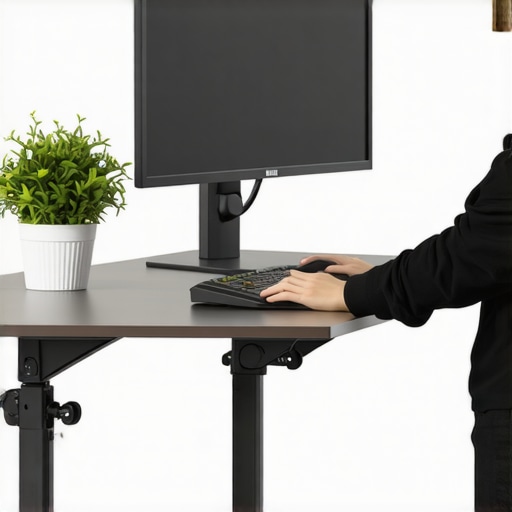
Have you ever found yourself hunched over your standing desk, feeling a dull ache creeping into your lower back by the end of the day? I remember the lightbulb moment when I realized that my DIY setup was doing more harm than good. I thought I was on the right track—adjusting the desk height, standing for longer periods—but soon, I was contending with persistent pain and discomfort that no amount of stretching seemed to fix. That frustration led me down a rabbit hole of research, trial, and error, and ultimately, a better understanding of proper ergonomics that I want to share with you today.
Why Proper Standing Desk Setup Is a Game Changer
Many people jump into using a standing desk with good intentions, hoping to reduce back pain, improve posture, or boost energy. But without the correct setup, you might inadvertently reinforce poor habits that worsen discomfort over time. When I first started, I ignored a key factor—my monitor was too low, causing me to crane my neck, and my desk was slightly too high, forcing my shoulders into tension. These seemingly small mistakes add up, paving the way for longer-term issues like chronic tension and even nerve compression. According to a study published by the National Institutes of Health, poor ergonomics can significantly increase musculoskeletal discomfort and decrease productivity.
What I learned through my own struggles is that an effective standing desk setup isn’t just about stacking books or propping up your monitor. It’s a carefully calibrated system, harmonizing your desk height, monitor position, and posture, all tailored to your unique body. When done correctly, it helps relieve tension, improve mobility, and sustain comfort throughout your workday. If you’ve faced persistent back pain or stiffness from your daily routine, rest assured—there’s a straightforward way to fix this. In the next sections, we’ll walk through practical steps, based on both expert advice and real-world experience, to help you establish a standing desk setup that supports your back instead of sabotaging it.
Is Improving Your Standing Desk Setup Really Worth the Effort?
Absolutely. I initially thought I just needed to ‘stand more,’ but I soon realized that poor setup can turn what should be a health benefit into a source of pain. I made the mistake of neglecting the importance of ergonomic alignment, which only prolonged my discomfort. If you’re skeptical, I get it—sometimes change feels like a hassle. But trust me, the payoff is worth it. Small adjustments can lead to lasting relief, empowering you to stand comfortably and focus on what matters. Want to skip the trial-and-error phase? Check out this posture correction guide for detailed insights on perfecting your setup. Ready to make your workspace work for your back? Let’s explore the exact adjustments you can make to set yourself up for success and comfort.
Fine-Tune Your Desk Height for Comfort
The first step is to adjust your desk so that your elbows are at a 90-degree angle when your hands rest on your keyboard. To do this efficiently, sit in your usual posture, then raise or lower your desk until your forearms are parallel to the ground. I vividly remember once adjusting my desk to this height, feeling an instant release in shoulder tension—a simple tweak that made a world of difference.
Position Your Monitor at Eye Level
Your monitor’s placement is critical; it should be directly in front of you, with the top of the screen at eye level. Imagine the neck as a chain; if you look down or up excessively, it strains the muscles and joints. Initially, I propped my monitor on a stack of books, but it tilted, causing neck strain. Eventually, I invested in an adjustable stand, which stabilized my neck posture and eased discomfort.
Align Your Keyboard and Mouse Properly
Place your keyboard and mouse close enough so you don’t overreach, keeping your wrists straight. Think of your arms as a bridge; crossing it without overextending prevents undue stress. I used to position my peripherals farther away, leading to tense shoulders; now, keeping them within easy reach has eliminated that lingering ache.
Adjust Your Foot Position
Feet should be flat on the ground, supporting your lower back and hips. If your feet don’t reach, use a footrest or stack a small, sturdy box. Remember, hips are like hinges—proper support keeps your pelvis aligned and relieves lumbar stress. I had a habit of crossing my legs, which distorted my pelvis; switching to a footrest gave me more stability and comfort.
Incorporate Movement Breaks to Maintain Mobility
Static positions lead to stiffness and pain. Every 30 minutes, stand, stretch, or walk around. Think of your spine like a hinge that needs lubrication—regular movement keeps it flexible. I set a timer, and after each break, I felt my back loosen up, reducing the persistent tightness.
Utilize Mobility Exercises for Long-Term Relief
Complement your setup adjustments with mobility exercises like the mobility mastery exercises. These help release tension and improve flexibility, especially in your hips and back, which are vital for standing work. I dedicated five minutes daily, discovering how weekly practice transformed my overall comfort and posture.
Regularly Review and Adjust Your Setup
Posture isn’t static; your body changes, and so should your workspace. Periodically reassess your desk height, monitor position, and ergonomic accessories. Think of it as tuning an instrument—small tweaks keep the music smooth. Over time, I found minor adjustments, like tilt angles, made a significant impact on my back health.
Want more tailored solutions? Consider a professional consultation or dedicated mobility sessions. Remember, your spine is like a piece of well-balanced machinery—keep it fine-tuned, and it will serve you for years to come. For detailed back-friendly routines, explore daily spinal adjustments that complement these setup tips.
When it comes to back pain and posture, many believe that straightforward fixes like stretching more or adjusting their desk height will solve everything. However, this oversimplification can lead to significant mistakes. A common misconception I see often is the belief that pain always indicates a mechanical problem that requires a quick fix—like cracking the spine or doing intense core exercises—without considering underlying neuroplastic changes. In reality, persistent back discomfort often results from complex neuromuscular adaptations that have become ingrained over time, which cannot be addressed solely through mechanical adjustments. For example, a study published in theJournal of Orthopaedic & Sports Physical Therapy highlights how chronic back pain can involve altered motor control patterns, not just structural issues, leading many to focus only on structural corrections while neglecting retraining proper movement and control.
One trap many fall into is assuming that all adjustments, whether chiropractic or manual therapy, will immediately restore perfect alignment. This can set false expectations, as adjustments usually need to be complemented with movement re-education and consistency. The misconception that posture is static further compounds this error—posture is actually dynamic and adaptable, shaped continually by our habits and neuromuscular responses. Overlooking this can lead to the false belief that a single correction will be permanent, which is rarely the case.
For advanced practitioners, one overlooked nuance is the importance of proprioception and sensorimotor integration in maintaining healthy posture. When these systems are dysfunctional, the brain’s feedback loop misleads the body into habitual misalignments, even after visible corrections. This concept is supported by research from theNeuroscience Research Program, showing that proprioceptive training can significantly improve long-term postural stability. Enhancing proprioceptive awareness involves specific exercises and mindful movement strategies that reinforce accurate body positioning.
Are you inadvertently reinforcing poor habits by neglecting these neuroplastic aspects? It’s crucial to integrate movement retraining, proprioceptive exercises, and consistent practice into your routine. To explore effective strategies, check out our mobility mastery exercises that go beyond static corrections. Remember, true progress comes from understanding and addressing these hidden layers of neuromuscular control.
One final warning—be cautious of the trap of quick fixes. Approaching back health with a holistic mindset, combining mechanical adjustments with neuromuscular training, ensures durable results. If you’d like personalized guidance, consider reaching out via our contact page. Keep exploring, stay proactive, and you’ll uncover lasting relief that’s rooted in understanding the deeper nuances of movement and posture.Maintaining back health over time requires more than just initial adjustments; it involves consistent use of effective tools and strategies that reinforce good posture, mobility, and pain relief. Personally, I rely on a combination of ergonomic equipment, mobility aids, and digital resources that keep my spine aligned and my movement quality optimal. One indispensable tool is the **adjustable standing desk**. I prefer models that allow seamless height changes, enabling me to switch between sitting and standing effortlessly, which is vital for preventing stiffness and promoting circulation. Investing in a **quality ergonomic chair** with lumbar support has also been transformative—supporting my lower back during long periods of work ensures sustained comfort.
What I Didn’t Realize About My Posture Until It Was Too Late
One of the toughest lessons I learned was that even minor misalignments compound over time, leading to chronic discomfort. I used to believe that once I corrected my posture temporarily, it was fixed forever. But I discovered that maintaining long-term back health requires constant vigilance and adjustments, especially as my body changed with age and activity levels. Recognizing how neuromuscular patterns ingrained over years affect posture was a game-changer in my approach.
The Power of Consistent Movement Over Static Fixes
I used to think static corrections, like perfecting my desk setup once, would suffice. However, I realized that integrating regular movement, such as mobility exercises and strategic breaks, had a much more profound impact. Small daily routines, like the quick spinal hygiene practices found here, kept my spine resilient and prevented pain from creeping back. This shift from passive correction to active maintenance was pivotal.
Understanding the Mind-Body Connection Made All the Difference
Initially, I viewed back pain as purely mechanical. But I soon realized that emotional stress and muscular tension often go hand-in-hand. Deepening my awareness of this mind-body link helped me incorporate relaxation techniques and mindful posture practices into my routine. Recognizing that habits, emotions, and neuromuscular responses intertwine unlocked a more holistic path to lasting relief, supported by resources like expert mobility tips.
Curated Tools That Truly Made a Difference
My journey wouldn’t be complete without sharing the practical tools that reinforced my progress. My adjustable standing desk and ergonomic chair set the foundation, but integrating a small foam roller helped me release tight muscles efficiently. Additionally, I found that tracking my habits with simple journals kept me accountable. For personalized strategies, consider exploring programs like mobility mastery. These resources underscore that investing in the right tools accelerates and sustains your back health improvements.
A Final Word: Embrace Change and Stay Curious
Achieving lasting back health is a dynamic process. What worked for me might differ for you, but the key is to stay open-minded and proactive. Incorporate regular movement, refine your ergonomic setup, and nurture your neuromuscular awareness. Remember, small consistent efforts lead to significant, long-lasting relief. Are you ready to reevaluate your current habits and take control of your back health today?
What’s one adjustment you’re willing to try this week? Share your plan below and let’s support each other in creating a more comfortable, pain-free future.
,