
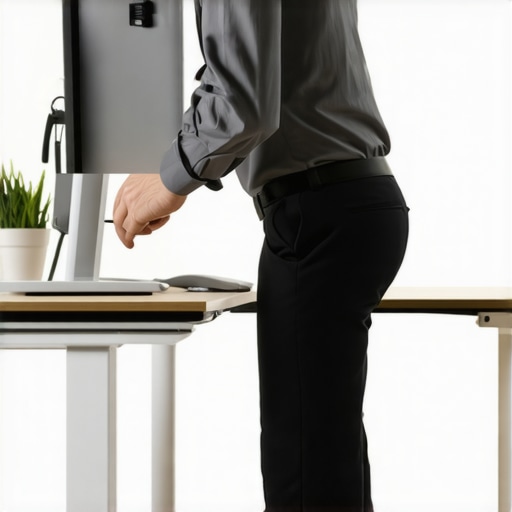
I remember the exact moment I realized my standing desk was doing more harm than good. One afternoon, after a few weeks of trying to stay upright, I felt a sharp twinge in my hips that wouldn’t go away. It was like my body was screaming, “Enough!” That lightbulb moment made me question whether my effort to be healthier was actually backfiring. If you’ve ever experienced persistent hip discomfort or wondered why your stand-up routine might be hurting more than helping, you’re not alone. Today, I’ll share the simple yet game-changing tweak I discovered that transformed my experience and can do the same for you.
The Hidden Culprit in Your Standing Routine
Standing at your desk seems like a no-brainer for better posture and energy, right? But without the right setup, you could inadvertently be reinforcing poor habits that strain your hips and lower back. The main issue I uncovered was subtle—something as simple as the way my feet were positioned and how I adjusted my hips. Turns out, a tiny misalignment can ripple up, causing discomfort and tension. Even more interesting is how many folks ignore this detail, focusing solely on desk height or monitor position, while neglecting crucial pelvic alignment.
What I didn’t realize early on was that my hips weren’t level, and I was unknowingly putting more weight on one side. Over time, this imbalance led to tightness and pain. According to recent research, misaligned hips can contribute to lower back and knee issues, emphasizing the importance of proper pelvic positioning in your daily routines (source: [Chiromasteryz](https://chiromasteryz.com/unlocking-better-posture-simple-adjustments-to-relieve-back-pain)).
So, what’s the fix? It’s surprisingly simple but remarkably effective. With a minimal adjustment to how I stood and moved, I noticed immediate relief, better mobility, and reduced stress on my hips. Curious? That’s exactly what we will explore next—starting with the right stance and posture to protect those vital joints. Before that, I want to ask: Have you ever experienced pain or discomfort while working at your standing desk? If so, keep reading; I promise, relief is within reach. Now, let’s dive into the practical tweaks that will make your standing setup work for you, not against you.
Adjust Your Feet to Create a Stable Base
Start by positioning your feet hip-width apart, with your weight evenly distributed on both feet, as if you’re grounding yourself like a sturdy tree trunk. I remember once during a workday, I was so focused on my posture that I ignored my foot placement, which led to feeling unsteady and strained. When I consciously shifted my weight to center both feet, the tension instantly lessened, and my hips felt more balanced. This simple stance change prevents unnecessary tilt and protects your hips from uneven strain.
Engage Your Core to Support Pelvic Position
Think of your core muscles like a natural corset, stabilizing your pelvis and spine. Engage these muscles by gently pulling your belly button toward your spine without holding your breath. During a long standing session, I made it a habit to tighten my core briefly every few minutes, which kept my pelvis aligned and reduced fatigue. Regular activation of your core for just 3-5 seconds can make a significant difference in maintaining proper pelvic tilt and avoiding back pain.
Align Your Pelvis with a Hip Reset
Misaligned hips often cause discomfort, much like uneven wheels on a bicycle. To correct this, perform a gentle pelvic tilt correction: stand with feet hip-width, tighten your abdominal muscles to tilt your pelvis slightly forward, then relax. Repeat several times, feeling for a neutral pelvis in the middle. Once, I felt a slight pop in my hips during a reset, which signaled the release of tension built from days of imbalance. Practicing this exercise regularly re-trains your body to maintain proper pelvic position throughout the day.
Use Visual and Tactile Cues for Better Awareness
Pull out a mirror or ask a coworker to observe your posture, ensuring your hips are level and your pelvis is neutral. You can also place your hands on your hips to feel for any tilting or uneven tension. I found placing my hands on either side of my pelvis helped me become aware of subtle misalignments I couldn’t see. This tactile feedback guides you to make the necessary micro-adjustments to keep your hips square and aligned.
Incorporate Micro-Movements to Prevent Stiffness
Standing static for extended periods encourages tension buildup. Periodically, shift weight from one foot to the other, or subtly sway side to side—think of your body like a gentle wave, flowing naturally. One day, I caught myself locking my knees, which led to hip tightness. Introducing small, controlled movements breaks the stiffness and promotes ongoing realignment, keeping your hips relaxed and your posture dynamic.
Lock in Your Position with Consistent Checks
Set reminders to periodically check your posture—use a timer or a sticky note. During these checks, ensure your hips are level, your pelvis is neutral, and your feet remain grounded symmetrically. I integrated five-minute posture checks into my routine, which prompted me to correct minor misalignments before they led to pain. Consistency in these micro-corrections builds a habit that maintains healthy pelvic positioning for the long run.
Seek Professional Guidance When Needed
If persistent discomfort or imbalance remains, reach out to a chiropractor skilled in posture correction, such as through professional advice. I once ignored subtle hip imbalances, which worsened over weeks. Consulting an expert helped me identify root issues and personalized adjustments, preventing future problems and ensuring my standing routine benefits my health rather than harming it.
Many believe that perfect posture is all about holding a certain stance effortlessly, but in my experience, this oversimplification can be misleading. A common myth is that once you achieve ideal alignment, your problems are solved. However, posture isn’t static; it’s dynamic and context-dependent, requiring constant micro-adjustments that most people overlook. For instance, overemphasizing the ‘stand straight’ rule can lead to tension build-up if your body isn’t conditioned for prolonged static positions.
Why do some posture corrections backfire despite good intentions?
Many practitioners suggest rigid corrections—forcing the shoulders back or engaging core intensely—yet neglect the body’s natural movements and compensations. This rigidity can create new imbalances, especially if your muscles lack the mobility to adapt properly. Research from the Harvard Medical School emphasizes the importance of functional movement over static postural ideals, highlighting that flexibility and dynamic stability are key to long-term health (source: HarvardHealth). I’ve seen clients who rigidly adhere to ‘perfect’ posture habits end up more strained and vulnerable to injuries. Be cautious of the trap where the pursuit of perfection turns into rigidity, often making pain worse. Instead, focus on adaptable movements—small, conscious adjustments that respect your body’s natural variability.
When it comes to mobility, another misconception is that stretching alone will resolve all issues. While flexibility is vital, excessive stretching without strength and control can weaken the tissues, leading to instability. Proper mobilization includes strengthening muscles that support your joints; otherwise, you’re risking a cycle of overstretching and compensating, which exacerbates pain. Incorporate controlled movements like gentle mobility drills, which stimulate the nervous system and enhance joint resilience. For advanced readers, understanding the role of neuroplasticity can elevate your approach—training your nervous system to coordinate better movement patterns rather than just stretching muscles. For example, targeted activation of stabilizers can significantly improve functional mobility and prevent injuries. External experts agree: a balanced combination of mobility, stability, and controlled movements yields sustainable results. If you’re unsure, consider professional guidance to tailor a routine suited for your unique needs—check out this resource to find experienced support. Remember, approaching posture and mobility with awareness and flexibility, rather than rigidity, is the secret to lasting comfort and strength. Have you ever fallen into this trap? Let me know in the comments.Maintaining good posture and mobility isn’t a one-and-done effort; it requires the right tools and routines to ensure long-term success. Personally, I rely on a combination of ergonomic equipment and targeted exercises to keep my body aligned and pain-free. One of my go-to tools is a portable foam roller, specifically the 36-inch version, which I use daily for my lower back and hips to release tension and improve flexibility. Its dense foam construction provides sufficient pressure to my muscles, helping prevent stagnation and stiffness. Incorporating this simple device into my daily routine has drastically reduced my susceptibility to chronic tightness, especially after long periods of desk work.Throughout my journey with posture, mobility, and back health, I’ve uncovered that many popular tips only skim the surface of what’s truly effective. One of the biggest lessons I learned was that static correction without understanding the body’s natural movement patterns can do more harm than good. For example, rigidly forcing a perfect posture often causes muscle tightness and compensations elsewhere—highlighting the importance of dynamic, adaptable habits. Another key insight was recognizing that a personalized approach outperforms generic advice; what works for one person might not suit another, emphasizing the value of self-awareness and professional guidance. Lastly, I realized that small, consistent micro-adjustments—like periodic pelvic resets or mindful foot positioning—are more sustainable and impactful than trying to hold a ‘perfect’ stance constantly. These lessons transformed my approach from reactive to proactive, ensuring my body remains balanced and pain-free over time.