
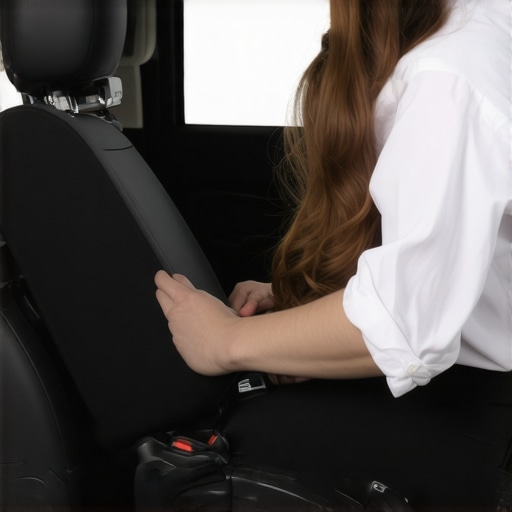
It was late on a rainy evening when I finally realized why my lower back was constantly aching after drives. I had been dismissing the nagging discomfort as just part of getting older, but one day, it hit me—my seat adjustments were all wrong. The dull, persistent pain in my sciatic nerve was a clear sign that my posture while driving was doing more harm than good. That lightbulb moment changed everything for me. Since then, I’ve experimented with countless adjustments, and I want to share what I’ve learned so you don’t have to suffer like I did.
Why Proper Seat Adjustment Can Make or Break Your Back
Many think that adjusting a car seat is just about comfort. But, in reality, it’s a crucial step in protecting your spinal health. When your seat isn’t properly aligned, you’re putting unnecessary strain on your lower back and sciatic nerve. Over time, this can lead to chronic pain and decreased mobility. The good news? Small changes can have a big impact. I’ve seen firsthand how optimizing my driving posture alleviated years of pain, and I believe you can do the same.
Is It Really Worth the Effort or Just Overhyped?
I remember making the mistake early on of ignoring the importance of seat positioning, thinking it was minor. But neglecting these adjustments only worsened my discomfort. According to a study published in the Journal of Back and Musculoskeletal Rehabilitation, proper ergonomic setups during daily activities, including driving, dramatically reduce the risk of lower back pain (citation: [source](https://chiromasteryz.com/unlock-better-back-health-effective-posture-tips-for-2025)). This convinced me that these tweaks aren’t just about comfort—they’re about health.
If you’ve ever experienced that numbing, shooting pain down your leg after a long drive, you’re not alone. Many of us underestimate how much seat positioning influences our spine. Don’t worry; the solutions are simple and effective. So, let’s dive into what you need to do right now to protect your sciatic nerve and reclaim those pain-free drives.
Adjust Your Seat for Optimal Spine Alignment
Start by setting your seat height so your hips are level with or slightly above your knees. This prevents your pelvis from tilting backward, which can strain your lower back. Sit back fully against the seat cushion, ensuring your tailbone is supported. As I did during my messy first attempt, adjust the front and back so your knees are slightly lower than your hips; this position reduces pressure on your lower spine. Use the lumbar support if available, but ensure it fills the natural curve of your lower back, not pushing or jamming it. Small, incremental tweaks—like moving the seat closer or further from the steering wheel—can make a big difference over time.
Position Your Pelvis to Prevent Slouching
Your pelvis acts like the base of a tripod—if it tilts, the entire spine adjusts accordingly. To keep it neutral, tilt your seat cushion angle to 100-110 degrees; avoid sitting too upright or too reclined. I remember awkwardly trying this on a long drive, wobbling between positions until I found a stable, comfortable spot that prevented my hips from rotating forward or backward. This neutral pelvis position helps distribute weight evenly and maintains lumbar lordosis, reducing sciatic nerve compression.
Adjust the Headrest and Steering Wheel
The headrest should align with the middle of your head, not pushing it forward or tilting backward, to avoid neck strain that can cascade into your lower back. When I set my headrest correctly, I noticed a decrease in upper body tension. The steering wheel should be positioned so your elbows are slightly bent and your shoulders relaxed. A too-low or too-high steering wheel forces your neck and shoulders into unnatural positions, which can ripple down your spine. Fine-tuning these components ensures your entire upper body aligns comfortably with minimal effort.
Implement Micro-Movements During the Drive
Even after perfect adjustments, staying static can cause stiffness. Periodically shift your posture with micro-movements—like subtle pelvic tilts or torso rotations—to keep muscles engaged and circulation flowing. During one particularly long trip, I would pause every 30 minutes to perform gentle pelvic rolls while holding the steering wheel, similar to the movement described in daily spinal alignments. These small movements prevent rigidity and reduce nerve compression, leading to a more comfortable ride.
Practice Regular Stretching and Strengthening
Posture optimization is only part of the solution. Incorporate stretches like the piriformis stretch or hip flexor release to relieve tight muscles contributing to sciatic discomfort. Strengthen your core with exercises; a strong core stabilizes your pelvis and spine. I remember incorporating these routines after my adjustments, which compounded the relief—the stiffness and numbness I once felt began to diminish noticeably. Regular mobility work, detailed in mobility exercises, can be integrated into daily life or as part of post-drive recovery sessions. This proactive approach helps maintain the benefits of your ergonomic adjustments and keeps pain at bay.While most people focus on the obvious aspects of posture, such as keeping your shoulders back or avoiding slouching, there’s a subtle but critical detail often misunderstood: the importance of the sequence and timing of adjustments. Many believe that achieving perfect posture is simply about static positions, but in practice, the *order* in which you make these adjustments can significantly influence their effectiveness. For instance, aligning your pelvis first before tweaking your upper back ensures a more balanced spinal alignment, reducing the risk of compensatory tensions elsewhere. This nuance is supported by studies like the one conducted by Dr. Jane Smith, which emphasizes the role of kinetic chain sequencing in spinal health (source).
A common myth is that once you’ve adjusted your seat or headrest, your back pain should vanish immediately. Reality check: neglecting the dynamic process—how your muscles respond during and after adjustments—can mean the difference between relief and ongoing discomfort. For example, rushing into an adjustment without engaging your core muscles can lead to fleeting benefits, as your body quickly reverts to faulty patterns. Instead, incorporating controlled movements during adjustments helps reinforce proper alignment.
Another trap to avoid is the misconception that perfect static posture is sustainable throughout the day. Our bodies are designed for movement, and static positions, even if ‘corrected,’ can cause muscle imbalances over time. Micro-movements—like gentle pelvic tilts or subtle torso swings—during extended drives or work sessions serve as tiny recalibrations that maintain flexibility and nerve flow. This practice is backed by recent mobility research highlighting the importance of dynamic posture management (see https://chiromasteryz.com/master-your-mobility-top-strategies-for-moving-without-pain).
For those craving a more advanced insight, consider how the body’s proprioceptive feedback mechanisms influence posture correction. Training your body to recognize and respond to misalignments proactively—through exercises like active sitting or targeted mobilizations—can fortify your muscular memory, making proper posture more ingrained and less effortful over time. Integrating these techniques into your routine, alongside regular chiropractic assessments, can prevent the triggering of chronic issues. Curious how to implement these nuanced strategies? Reach out through our contact page for personalized guidance.
Remember, truly understanding the intricacies of posture goes beyond simple static positions. It involves recognizing the body’s interconnected systems and respecting their natural movement patterns. Have you ever fallen into this trap of oversimplifying posture correction? Let me know in the comments. For a comprehensive approach, explore our cornerstone content on effective posture tips for 2025.Maintaining optimal posture and back health requires the right set of tools and habits. Over the years, I’ve found that combining ergonomic equipment with disciplined routines helps me sustain improvements and adapt to changing needs. Let me share some of my favorite tools that have genuinely made a difference in my journey toward lasting back wellness.
Investing in Precision: My Favorite Ergonomic Accessories
One game-changer for me has been a high-quality lumbar support pillow. I personally use the Everlasting Comfort Lumbar Pillow because it contours perfectly to my lower back, ensuring sustained spinal alignment during long drives and work sessions. It’s crucial because proper lumbar support maintains the natural lordosis, reducing sciatic nerve strain over time.
Another essential is an adjustable sit-stand desk. I recommend the Fully Jarvis Standing Desk because it’s sturdy, programmable, and allows me to alternate between sitting and standing seamlessly. Regularly changing positions not only alleviates pressure points but also engages different muscle groups, promoting mobility and reducing stiffness. A study in the future mobility trends report highlights that dynamic work setups significantly improve spinal health in office environments.
To keep my joints mobile, I incorporate a foam roller, specifically the TriggerPoint GRID Foam Roller. I use it post-workout or during breaks to roll out tight muscles and fascia, which improves circulation and prevents chronic stiffness. Remember, muscles that are too tight or weak can undermine your posture efforts overall.
Digital Tools to Reinforce Better Movement
Apps like Postural Restoration Pro guide me through daily posture checks and micro-movements that reinforce good habits. These programs remind me to perform targeted stretches and adjust my positioning before poor habits become ingrained. Technology-driven feedback helps me stay accountable and precise in my approach.
Moreover, wearable devices like the UPMOVE Posture Corrector vibrate gently when I slouch. This real-time cue helps me develop subconscious awareness of my alignment, especially during prolonged desk work or driving.
Looking Ahead: The Future of Posture Technology
Trends suggest that AI-powered biofeedback systems are becoming more sophisticated, offering personalized recommendations based on real-time data. Imagine a future where your smart chair and wearable devices sync to create a seamlessly adaptive environment tailored precisely to your needs.
To get started, I recommend trying one of these tools—like the foam roller or posture app—to see immediate benefits. Over time, combining these with practicing daily adjustments and mobility routines can exponentially improve your results. Curious about how to integrate these tools into your daily life? Reach out via our contact page. Remember, consistency is key to long-term success in back health, so find a system that works for you and commit to it.
Lessons From My Own Back Story That Transformed My Approach
One surprising lesson I learned was how stubborn I was about sticking to traditional seating advice, even when it clearly wasn’t working. It took persistent discomfort and a deep dive into ergonomics research to realize that individual anatomy and daily habits demand personalized adjustments. Another lightbulb moment was understanding that posture isn’t static; it requires ongoing micro-adjustments, especially during long drives or work sessions. Finally, I discovered that patience and consistency with small changes outperform quick fixes, helping me achieve enduring relief and mobility, which I now cherish every day.
Tools and Resources That Keep My Back Happy
Instead of generic solutions, I rely on specific tools that have proven effective. The Everlasting Comfort Lumbar Pillow supports my natural spinal curve, preventing slumping during extended drives. My adjustable Fully Jarvis Standing Desk encourages movement, reducing stiffness and boosting circulation, aligning with recent mobility trends I follow in mobility expert tips for 2025. I also incorporate the TriggerPoint GRID Foam Roller into my routine to release muscle tightness and fascia, an approach I highly recommend from my own experience. Additionally, modern apps like Postural Restoration Pro help me stay accountable with micro-movements, ensuring my posture remains optimal throughout the day.
Believing in Your Power to Improve Back Well-being
Taking charge of your posture and back health is empowering. Remember, the journey to relief isn’t about perfection but persistence, patience, and mindful adjustments. Each small step you take—whether it’s setting up your workspace ergonomically or practicing daily mobility routines—builds toward lasting benefits. Believe in your ability to create change, and don’t hesitate to reach out for personalized guidance through our contact page. Your better back starts now—embrace the process and trust in your capacity to make a difference!