
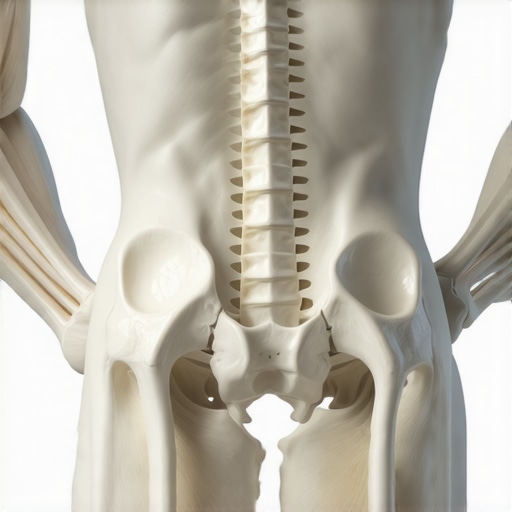
I remember the exact moment I realized something was seriously off with my body. I was trying to squat at the gym, feeling pretty confident—until my lower back started aching halfway through the set. I glanced in the mirror with a mix of frustration and confusion. That lightbulb moment revealed a frustrating truth: despite thinking I was engaging my muscles properly, my glutes just wouldn’t activate like they used to. Instead, my lower back was doing all the work, and that’s when I knew I had a problem that needed fixing.
Why Your Glutes Might Be MIA and How It Wrecks Your Back
The truth is, many of us walk around with glutes that refuse to fire. This isn’t just a minor annoyance; it can be a major contributor to chronic back pain and poor posture. When your glutes are weak or inactive, your lower back muscles take over to compensate. Over time, this imbalance causes strain, discomfort, and even injuries. I learned this the hard way, making the same mistake early on—assuming that good posture automatically meant my glutes were working. Turns out, that’s not always true. In fact, research shows that poor glute engagement increases the load on your lower back by up to 50% during everyday activities (source: Chiro Mastery), leading to persistent pain and dysfunction.
Is Fixing Your Glute Activation Worth the Hype?
Trust me, I doubted it at first too. Like many, I scoffed at the idea that a simple muscle activation could make such a difference. But after months of wandering through trial, error, and pain, I discovered that targeted glute exercises transformed my movement and drastically improved my back health. Getting this right isn’t some passing trend; it’s a game-changer. If you’re like I was, struggling with frequent back aches or poor posture despite regular stretching or strengthening routines, then addressing this gap might be exactly what you need. And yes, it’s worth paying attention to.
So, if you’ve ever wondered why your back keeps flaring up even after countless workouts or stretches, you’re not alone—and there’s a reason. Let’s dig into how you can finally get those glutes firing and regain control over your posture and pain.
Activate Your Glutes First
Start your journey by consciously engaging your glutes before any movement. Think of your glutes as the foundation of a house; if they’re weak, the whole structure is unstable. I recall a morning when I paused during my workout, focused solely on squeezing my butt muscles, and felt immediate relief in my lower back. To do this effectively, lie on your back with knees bent, feet flat on the floor, and squeeze your glutes for 5 seconds while imagining pulling your pelvis slightly upward. Repeat 10 times. This simple activation primes your muscles for better movement patterns and prevents compensatory strain.
Use the Bridge Exercise Correctly
The bridge is a staple for glute engagement. Lie on your back with knees bent and feet hip-width apart, arms alongside your body. Press through your heels, lift your hips, and squeeze your glutes at the top like you’re trying to pocket a small ball between your cheeks. Hold for 3 seconds, then slowly lower. Focus on feeling your glutes work, avoiding a dominance of lower back. I once added a mini-band around my thighs to increase resistance, which amplified activation. After consistent practice, I noticed my back pain diminished and my posture improved.
Incorporate Dynamic Movements
Move beyond static holds by integrating exercises that mimic real-life actions. Think of your glutes as the engine that powers hip extension during walking or lifting. Walking lunges are effective; step forward, lower into a lunge, then push back to standing while squeezing your glutes. Do 10 repetitions per leg. Another powerful move is the clamshell; lying on your side with knees bent, lift the top knee while keeping feet together, engaging your side glutes. Remember, maintaining proper alignment throughout these movements ensures your glutes engage fully. I often spent a few minutes doing these before my day began, transforming my movement quality.
Prioritize Mobility and Posture
Improving mobility in your hips and pelvis enhances glute activation. Use controlled stretches, like the hip flexor stretch, which also alleviates tightness that can inhibit glute engagement. Sit in a lunge position, gently press your hips forward, and hold for 30 seconds. For better posture, focus on neutral pelvic alignment during daily activities—think of your pelvis as a bowl of water; you want to keep it level to avoid tipping forward or back. I found that simple daily adjustments, like setting up my workstation ergonomically and avoiding excessive sitting, made a massive difference. For tips on optimizing your posture, check out simple posture adjustments.
Address Mobility Restrictions
If your hips are stiff, your glutes won’t activate properly. Incorporate mobility drills like the 90/90 hip stretch or foam rolling the lateral thigh. Use the foam roller on your outer thighs and buttocks, applying gentle pressure until tension releases. Regular mobility work ensures your muscles can move through their full range, enabling better activation during exercises. I noticed that dedicating 5 minutes nightly to mobility drills drastically improved my glute strength engagement during workouts.
Integrate Consistency and Mindfulness
Every step requires patience. Set aside habitual times for glute activation routines—perhaps morning and before workouts. Mindfulness during exercises enhances connection; focus on feeling the muscles working rather than just going through motions. Combining targeted activation, mobility work, and good posture creates a synergistic effect, reducing back pain and boosting movement quality. Remember, your glutes are a key player in maintaining back health, and dedicating time to activate them properly will pay off in comfort and strength over time.
 posture correction secrets.
So, what’s the real advanced mistake many don’t recognize? It’s the neglect of neuromuscular re-education—training your brain to activate correct muscle patterns rather than just holding static postures. This nuance distinguishes temporary fixes from lasting change. Incorporating mobility and activation routines into your daily routine ensures your body learns how to maintain proper alignments. If you’re still struggling, remember that consistent practice is essential, and a comprehensive approach is your best bet for long-term relief. Want to explore more about the intricacies of posture correction? Dive into daily spinal adjustments to refine your technique.
Have you ever fallen into this trap? Let me know in the comments.
Once you’ve made significant strides in correcting your posture, improving mobility, and activating your glutes, the next challenge is ensuring those gains stick over time. Consistency is key, but having the right tools and habits can make maintenance effortless and effective. In this section, I’ll share the specific equipment, software, and routines I personally rely on to keep my back healthy and mobile long-term.
The Gear That Keeps My Body in Check
First and foremost, a high-quality foam roller has become an indispensable part of my daily routine. I prefer the TriggerPoint GRID Foam Roller because of its tough exterior and multi-density surface, which allows me to target tight muscles accurately—particularly the lateral thighs and glutes. Consistent foam rolling prevents tension buildup and maintains tissue elasticity, critical for avoiding restrictions that can lead to back pain. Additionally, I use a massage ball—specifically, the Acumobility Ball—for pinpointing fascia restrictions around the hips and pelvis, areas often overlooked but vital for mobility and posture stability.
For maintaining proper alignment during daily activities, a lumbar support pillow has been surprisingly helpful. I use the AnyPro Lumbar Pillow during long drives or desk work, which helps sustain a neutral spine position and minimizes strain. Remember, supporting your natural spinal curves while sitting is not a luxury but a necessity if you want your improvements to last.
Leveraging Tech to Track and Progress
On the software side, I depend heavily on a posture correction app, PostureWizard. It reminds me to check my stance at immediate intervals and provides actionable feedback to correct slouching or forward head posture. Tracking daily posture corrections encourages mindfulness and helps solidify good habits, preventing regressions that undo months of work.
Moreover, integrating mobility-focused apps like Mobility Master enables me to schedule short, effective routines that are customized based on my movement history. These digital tools serve as virtual trainers, ensuring I stay disciplined and progressive in my maintenance efforts.
Building a Sustainable Routine
Beyond gadgets and software, my long-term success depends on ingraining these routines into daily life. I set aside 5-minute mobility drills in the morning, using principles from the latest mobility strategies for 2025. These include gentle hip openers, thoracic rotations, and diaphragmatic breathing exercises—that foster flexibility and neurological connection, essential for muscle activation and posture control.
How do I maintain upright posture over time?
This is a common question I get. I recommend periodic re-assessment sessions, either with a professional or through self-evaluation using mirrors or posture apps. Keep your workspace ergonomically optimized, adjusting your monitor height and chair support, which you can learn more about from simple ergonomic adjustments. Remember, consistency, combined with the right tools, prevents the regression that often comes with busy schedules and neglect.
Looking ahead, the trend is leaning toward smarter, more personalized mobility solutions that integrate AI and biofeedback. These innovations promise to make long-term back health maintenance even more accessible and effective, short of scheduling frequent chiropractor visits. Until then, I encourage you to try incorporating a quality foam roller and a posture app into your daily routine—tools I’ve found invaluable for keeping my improvements on track.