
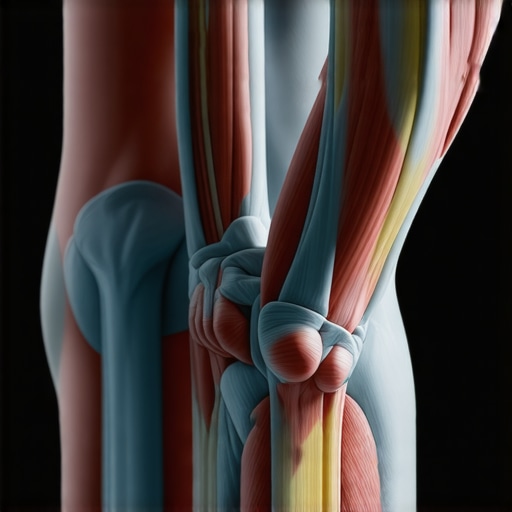
Have you ever felt that sudden jolt of pain after a long day, only to realize it started somewhere unexpected? For me, it was a tight knot in my calves that seemingly had no reason to be so stubborn—until I noticed my lower back aching in tandem. That lightbulb moment hit hard: those tight calves weren’t just discomfort; they were pulling on my lower back, throwing off my entire posture. It’s surprising how a seemingly minor issue like calf tightness can have ripples that reach all the way to your back.
The Hidden Connection Between Your Calves and Your Back
Many people overlook the role of calf muscles in overall spinal health. When your calves are tight, they can alter your gait and posture, forcing your lower back to compensate and overwork. Over time, this compensation leads to strain and pain, creating a vicious cycle that’s tough to break without proper awareness and treatment. Early on, I made the mistake of focusing solely on my back pain, ignoring the calves entirely. It wasn’t until I addressed those tight muscles that I started to see real relief. Recognizing this link can be a game-changer for anyone suffering from chronic back discomfort.
Is Stretching Enough? The Skeptic’s Dilemma
One common misconception I had early on was thinking that stretching alone would fix everything. I’d spend minutes loosening up my calves, only to wake up the next day with the same back ache. The reality is, addressing calf tightness involves more than just stretching—it requires a comprehensive approach, including daily routine adjustments and postural awareness. If you’ve tried endless stretches without success, you’re not alone. For a more effective strategy, consider exploring deeper into mobility and alignment techniques—trust me, your back will thank you.
Ready to tackle this issue? If you’ve felt that nagging tension creeping into your lower back, you’re not alone. Many overlook the role of calf flexibility, yet understanding and correcting this imbalance can be pivotal. To discover simple adjustments that can realign your entire posture, check out this guide or consider scheduling a consultation to get personalized advice. Your journey to a pain-free back might just start with those tight calves lurking below the surface.
Start with Assessing Your Daily Habits
Identify times when your posture slips—like during long computer sessions or while scrolling on your phone. I remember a day I spent hours hunched over my laptop, then noticed my lower back aching worse than usual. To fix this, set a timer every 30 minutes to check in with your posture, and consider using reminders or posture apps.
Implement Targeted Mobility Exercises
Focus on unlocking your hips and thoracic spine, as these areas influence your overall alignment. I began practicing gentle hip circles and shoulder rolls daily. For example, I dedicated five minutes each morning to a simple hip opener routine, which gradually increased my flexibility and reduced back tension. Incorporate movements like the hip mobility drills for best results.
Use a Foam Roller for Deep Tissue Relief
Rolling out tight muscles breaks down adhesions that restrict movement. I used a foam roller on my calves and start to notice improved ankle mobility, which eased calf tightness and reduced the strain on my lower back. Focus on areas that feel tight or knotty, but avoid rolling directly on your spine.
Adjust Your Daily Routine for Better Alignment
Simple position changes can make a big difference. For example, instead of crossing your legs while sitting, keep your feet flat and knees at 90 degrees. I experimented with a daily posture routine that included standing desks and ergonomic adjustments, resulting in less back pain at the end of the day.
Optimize Your Sitting Environment
Ensure your workspace promotes proper alignment. Use lumbar support pillows and keep your monitor at eye level. I replaced my chair’s standard cushion with a supportive lumbar pillow, which helped maintain the natural curve of my lumbar spine. Proper setup prevents compensatory movements that stress your back.
Focus on Strengthening Core Stability
A strong core supports your entire spine. I incorporated simple exercises like planks and bird-dogs into my routine, noticing a marked decrease in back soreness. Consistent core work, paired with mobility, forms the foundation of a healthier posture.
Practice Spinal Alignment Techniques
Regular alignment checks can prevent chronic issues. The spinal adjustment methods I learned help realign vertebrae and ease nerve compression. Incorporate gentle self-corrections or consult with a chiropractor for personalized adjustments.
Commit to Consistency and Monitoring Progress
Track your improvements through photos or journaling. When I started observing my posture habits over weeks, it motivated me to stick with these practices. Small, daily adjustments compound over time, leading to sustained relief and better mobility.
While many believe that back pain mainly stems from injury or visible misalignments, the truth runs much deeper—often hidden beneath surface-level fixes. A common misconception is that simply stretching or adjusting existing posture habits will resolve chronic discomfort, but this overlooks the nuanced nature of spinal health. For example, some practitioners emphasize solely on spinal adjustments, but research indicates that muscular imbalances, especially subtle ones in the hips and core, play a critical role in persistent pain—highlighted in a 2021 study from the Journal of Physical Therapy Science. Focusing only on superficial correction can lead you into a trap where pain seems to improve temporarily but ultimately returns because foundational issues remain unaddressed.
Another widespread myth is that posture should be perfectly straight at all times—an idea that may cause more harm than good. Overcorrecting to an rigid, unnatural alignment can create new compensations, increasing tension elsewhere in your body. The real benefit comes from **dynamic posture awareness**, adjusting naturally based on activity, not static perfection. To truly optimize spinal health, integrating mobility exercises that target the often-overlooked neuromuscular controls is essential. Consider deep mobility routines that engage the fascia and muscular chains—strategies outlined in detail in our mobility mastery guide.
Here’s an advanced tip: addressing nerve tension and fascial restrictions is key to resolving stubborn back pain. Often, these issues are ignored because they don’t show in standard alignment checklists. Techniques like myofascial release or targeted spinal adjustments that consider nerve pathways can drastically improve outcomes. Discover more about these effective methods when you explore the posture correction secrets on our site.
A crucial mistake many make is neglecting the importance of subtle compartmental misalignments, which often propagate discomfort throughout the kinetic chain. Light but consistent adjustments—like those offered through gentle spinal realignments—can prevent chronic issues from developing. Remember, the goal isn’t just pain relief but long-term mobility and resilience. If you’ve fallen into the trap of thinking that pain is just a sign of aging or a temporary glitch, consider that proactive alignment work could be the game-changer.
Curious why some adjustments stick and others don’t? The answer lies in addressing the nervous system’s role in muscle tone and posture. For a detailed look into strategic corrections that last, check out our posture correction tips. Don’t forget—sustaining a healthy back means ongoing attention to the subtle intricacies of your musculoskeletal system. Have you ever fallen into this trap? Let me know in the comments.
When it comes to keeping our backs healthy and mobile, the right tools can make all the difference. I personally rely on a blend of functional equipment and tried-and-true methods to sustain long-term results. For instance, I swear by a high-quality foam roller, like the TriggerPoint GRID. Its deep tissue capacity helps me release stubborn knots, especially in my calves and hips, preventing the cascade of misalignments that can lead to back pain. Using a foam roller regularly, around three times a week, has been instrumental in maintaining my mobility and reducing flare-ups. Learn more about mobility strategies that complement my rolling routine.
The Hardest Lesson I Learned About Back Pain and Posture
It’s tempting to believe that a quick stretch or a readjusted sitting position can solve stubborn back discomfort, but I’ve realized that true relief requires understanding the root cause—often hidden in muscle imbalances and movement habits that went unnoticed for years. The biggest lesson was that focusing solely on the painful area is like patching a leaking roof without fixing the source of the leak—temporary at best.
3 Myths About Chronic Back Issues That Held Me Back
One common misconception is that all back pain comes from injury—this led me to ignore the importance of mobility and posture awareness until it was almost too late. Another myth is that perfect posture at all times is achievable and necessary, which only added unnecessary tension. The third myth is that static stretching alone is enough; real change happens when I combined mobility, strengthening, and neural re-education.
What the Experts Won’t Tell You About Real Back Freedom
Professionals often emphasize spinal adjustments, but I discovered that addressing muscular and fascial restrictions, especially in the hips and calves, unlocks much more sustainable relief. Understanding that nerve pathways and fascia play a critical role in chronic pain opened new doors. Learning about myofascial release and functional mobility routines from trusted sources transformed my approach and my back health.
My Essential Toolkit for Better Back and Mobility
I swear by a high-quality foam roller like the TriggerPoint GRID, which helps me release stubborn knots in my calves and hips—areas often overlooked but influential in back health. Pairing this with targeted mobility exercises from guides like mobility strategies for active living has made a real difference. Lastly, I rely on ergonomic adjustments found in daily spinal alignment routines to keep my posture in check throughout the day.
Your Path to Lasting Back Relief Starts Now
Remember, improving back health isn’t about quick fixes—it’s about making conscious adjustments, understanding your body’s unique needs, and committing to ongoing mobility and alignment work. You don’t have to accept chronic pain as part of aging; proactive care and education are your best allies. If you’re ready to take control, start with small, consistent changes and explore the resources that resonate most with you. Your journey toward a pain-free, mobile back can begin today—don’t wait for pain to dictate your life. What small change will you try first? Let me know below to share your progress and inspire others on this path.