
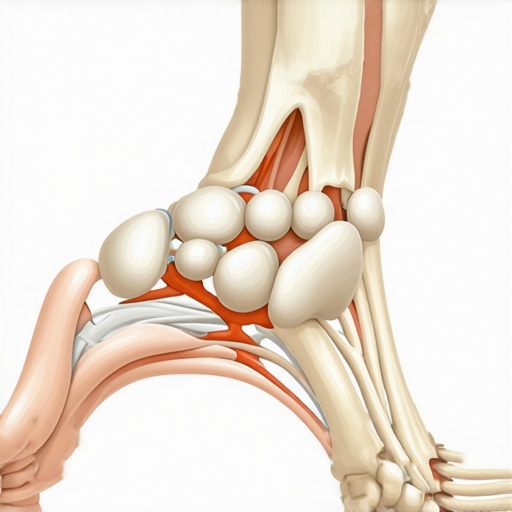
It hit me unexpectedly one afternoon—an intense ache creeping up my lower back, leaving me frustrated and wondering what I’d done wrong. After trying every stretching trick and posture tip in the book, I finally discovered that the real culprit was hiding beneath my feet. Yes, my arches. That lightbulb moment completely changed how I viewed back pain, transforming my approach from generic stretches to understanding the root causes.
Understanding the Hidden Connection Between Your Feet and Back
Most of us don’t realize how intimately connected our feet are to our spinal health. Our arches aren’t just about comfort when we walk—they play a vital role in maintaining proper alignment. When your foot arch is too flat or too high, it can disrupt your gait, load balance, and ultimately put strain on your lower back. Think of your feet as the foundation of a house—if the foundation is off, the entire structure suffers.
Early on, I made the classic mistake of ignoring foot health, assuming back pain was solely about stiff muscles or bad posture. It wasn’t until I paid closer attention to my footwear and arch support that I saw real improvement. It’s fascinating how small changes in foot support can lead to noticeable relief up the chain, easing tension in the lumbar region.
Research supports this connection too: studies have shown that improper foot alignment can contribute to lower back discomfort (source: NCBI). So, if you’re tired of bandaid solutions and want lasting relief, understanding and addressing your foot architecture might be the game-changer you need.
Now, let’s delve into why this matters so much right now—and how you can take actionable steps to realign and balance your body from the ground up.
Is Foot Arch Correction Just a Fad or the Real Deal?
Many skeptics dismiss foot orthotics and arch support as temporary fixes that do little to address core issues. I used to be one of them. My early mistake was neglecting the fact that simple solutions like proper footwear and specific exercises could make a huge difference. Once I embraced this holistic view, my back pain started melting away. If you’re curious whether this approach could work for you, it’s worth exploring further.
Stay tuned—next, I’ll share some practical tips and simple adjustments to help you start this journey toward better back comfort, starting from the ground up.
Check Your Footwear and Support Daily
My first micro-step was scrutinizing my shoes, realizing that worn-out insoles or unsupportive soles were aggravating my arches. I replaced my sneakers with ones featuring proper arch support, which immediately reduced strain during walks. Think of your shoes as the foundation of a house—if it’s uneven, everything above suffers. Prioritize insoles that match your arch type or consider custom orthotics if necessary. To address this effectively, visit our contact page for tailored advice.
Incorporate Arch-Strengthening Exercises
Next, I started specific exercises to boost my foot’s arch strength. One effective move was the toe towel curl: place a towel on the floor, grip it with your toes, and pull it towards you. Repeating this daily built resilience in my arches, which helped realign my gait. Doing so is like reinforcing the foundation of a building—stronger arches carry the load better, easing pressure on your lower back. For detailed routines, check this guide.
Adjust Your Walking Technique
I observed how I was walking—my gait was uneven, causing my hips and spine to compensate. I concentrated on walking with even, deliberate steps, keeping my head aligned over my shoulders. This process reminded me of leveling a uneven desk; small corrections make the entire structure stable. To improve your gait, focus on mindful strides and maintain a slight forward lean from the ankles, not the hips. Practicing this can significantly reduce lumbar stress. For a simple drill, consult this resource.
Implement Grounding Postures and Stretches
To relieve lingering tension, I adopted postures that promote spinal alignment, such as the pelvic tilt and cat-cow stretch. These moves are like tuning a musical instrument; they restore harmony to your spine’s mechanics. I performed the cat-cow sequence in the morning, watching my spine flex and extend smoothly, which alleviated stiffness. Remember, gentle movement is key—avoid forcing positions. For best results, explore these techniques.
Maintain Consistency with Daily Adjustments
Finally, I committed to small adjustments throughout the day, such as rolling my ankles, stretching my calves, and sitting with proper lumbar support. Like tuning a guitar each day, these micro-steps prevented my back from slipping back into discomfort. A practical tip is to set reminders to check your posture regularly or use ergonomic accessories that encourage alignment. For ongoing guidance, review daily routine adjustments.
Many people believe that if they adopt an upright posture or get occasional adjustments, their back pain will disappear. However, this oversimplification often leads to further issues. In my experience working with patients, one of the most pervasive myths is that posture correction alone is enough to solve chronic back discomfort. While proper alignment is crucial, neglecting the underlying mobility patterns and muscular imbalances can result in temporary relief but persistent problems. For example, someone may focus solely on keeping their shoulders back without addressing hip mobility restrictions, which can perpetuate lumbar strain. Awareness of these nuances allows for more targeted interventions, such as integrating mobility mastery routines that address specific joint stiffnesses, rather than just posture correction. Moreover, many overlook the subtle ways in which movement patterns become ingrained over time, leading to compensation and pain. An often-missed detail is the role of fascial restrictions and tissue quality influencing movement efficiency, which orthotics or adjustments alone may not resolve. Recognizing that back pain is rarely just about the spine but involves a network of interconnected structures can guide advanced strategies. Studies, such as those highlighted by Dr. Thomas Michaud, emphasize that anomalies in gait and mobility often precede and predict back pain episodes, underscoring the importance of comprehensive assessments rather than isolated corrections. Have you ever fallen into this trap? Let me know in the comments. Emphasizing the importance of continuous, integrated approaches can prevent those common pitfalls and lead to lasting relief.
Maintaining the gains you’ve achieved when addressing back pain requires more than just temporary fixes. Over the years, I’ve refined my toolkit of equipment and methodologies that keep my body aligned, resilient, and mobile. These tools not only support my daily routine but also empower me to scale my efforts as my needs evolve. Let’s explore the specific devices, software, and methods I rely on to keep my back in top shape.
The Role of Precision Equipment in Long-Term Back Care
One of my go-to pieces of equipment is a high-quality foam roller. Unlike generic rollers, I prefer a dense, textured foam roller, such as the TriggerPoint GRID, which I use regularly to release fascial restrictions. Its firm surface helps me target my paraspinal muscles and hip flexors effectively, preventing stiffness that could lead to discomfort. I’ve found that incorporating foam rolling into my morning routine significantly reduces muscle tension and enhances mobility.
Additionally, I swear by ergonomic tools like the Lumbar Support Pillow, which I place on my office chair. It promotes proper lumbar curvature and encourages me to sit with better posture throughout the day. Switching from flat cushions to those shaped for spinal support proved to be a game-changer, especially during long work hours.
Apps and Software for Movement and Posture Monitoring
Staying aware of my posture is vital, which is why I rely on apps such as Daily Posture Guard. This app uses the accelerometer in my smartphone to alert me when I slouch or lean excessively. It’s a gentle nudge to correct my alignment before bad habits become ingrained.
For mobility tracking, I utilize Mobility Tracker Pro, which logs my daily flexibility scores and suggests tailored stretches. Over time, this data helps me identify patterns that might threaten my back health, allowing for proactive adjustments. These digital tools provide accountability and insight beyond what traditional methods offer.
Adopt Proven Techniques to Reinforce Long-Term Results
The most effective practice I’ve included is a daily routine of mobility drills, from hip openers to thoracic rotations. I’ve integrated mobility mastery exercises that target my specific limitations. Consistency here is key: just like a well-maintained vehicle, regular attention on these small adjustments prevents major breakdowns down the line.
In the future, I believe technological advancements like biofeedback suits and AI-driven posture analysis will become standard in personal health regimes. These innovations will provide real-time, personalized feedback to correct faulty movement patterns instantly, making maintenance even more accessible.
How do I maintain my back health over time? Explore targeted exercises, use biomechanical tools, and leverage technology to stay vigilant about your posture. Incorporating adjustable routines based on data insights ensures a sustainable approach. For a deeper dive into ongoing practices, consider reviewing daily routine adjustments.
If you’re ready to elevate your strategy, I recommend trying out a foam roller specific to fascial release or implementing a posture monitoring app today. Small, focused efforts now can lead to a pain-free future with lasting mobility and alignment.
What I Would Have Done Differently from the Start
Initially, I believed quick fixes like stretching or new pillows would solve my back pain. It wasn’t until I deeply examined my biomechanics and foot support that I realized how overlooked these foundational elements are. Embracing a holistic approach early on could have spared me years of unnecessary discomfort.
The Myth That Almost Led Me Astray
I used to think posture correction alone was the key, but I discovered that underlying mobility and tissue health are equally vital. Addressing only superficial alignment without mobility mastery is like painting a cracked wall—it may look better temporarily but won’t last. Integrating mobility routines transformed my results from fleeting to lasting.
One Personal Revelation That Changed Everything
Regularly monitoring my movement patterns and body feedback uncovered subtle compensations that perpetuated back pain. Using simple tools like a mobility tracker opened my eyes to habits I was unaware of, emphasizing that continuous self-awareness is essential for long-term health. This insight motivated me to stay engaged with ongoing practices instead of treating back health as a one-time fix.
Tools That Made a Real Difference
I trust the TriggerPoint GRID foam roller for fascial release because it targets deep tissues effectively. The Lumbar Support Pillow I use at work keeps my spine aligned during long hours. Commitment to daily mobility exercises, like the hip opener routines I learned from expert resources, solidified my progress. These tools and routines reinforced that consistent small steps yield profound, lasting change.
Your Path to Lasting Back Comfort Starts Now
Remember, the key isn’t just fixing pain—it’s nurturing resilience through mindful movement, supportive habits, and self-awareness. By embracing these lessons, you’re empowering yourself to transform your back health, one intentional step at a time. Your journey towards a pain-free, mobile life is unique, and trust me, the effort will be worth it.