
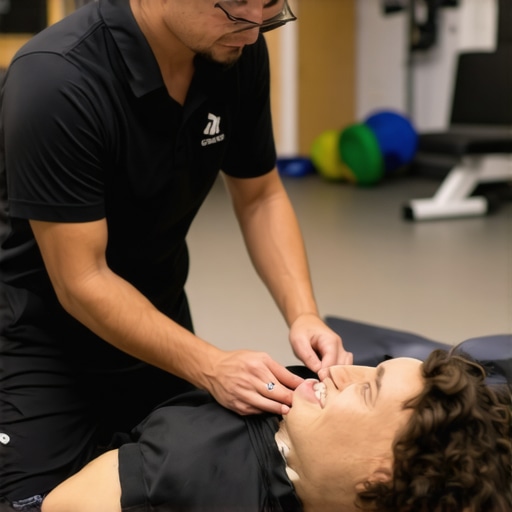
I remember the exact moment I felt my back seize up after a particularly intense workout. The sharp pain caught me off guard, and suddenly, simple movements like bending or twisting became unbearable. Frustration crept in—I thought I was doing everything right, but recovery seemed slow and elusive. It was then that I realized I had been neglecting a crucial piece of the puzzle: the power of manual therapy in speeding up recovery. That lightbulb moment transformed my approach, and today, I want to share how incorporating hands-on techniques can make a real difference in healing from sports injuries.
Why Your Body Needs More Than Just Rest and Ice
For a long time, I believed that rest and ice were the go-to solutions for any injury. While they are essential, they aren’t enough on their own to truly accelerate healing. I discovered that manual therapy—think of it as expert hands guiding your body back into balance—can significantly reduce pain and restore mobility faster. It’s akin to giving your body a tune-up, releasing trigger points, loosening tight muscles, and improving nerve function. Interestingly, research shows that manual therapy can even stimulate your body’s natural healing responses, making recovery not just faster but also more effective.
Have You Ever Felt Waiting Out Recovery Just Isn’t Working?
Early in my journey, I made the mistake of ignoring the importance of targeted manual techniques. I thought rehab exercises alone would suffice. If you’re nodding along, know that I was there too. The truth is, neglecting hands-on treatment can lead to lingering pain and stiffness, even when you’ve been diligent with stretches and strength training. To truly excel in recovery, combining self-care with professional manual therapy is like unlocking a secret weapon. Want to know how to leverage this approach? Stay with me, because we’re about to dive into practical strategies, starting with how hands-on techniques can unlock your body’s healing potential.
Start with Gentle Soft Tissue Work
Begin by applying gentle pressure to affected areas using self-massage tools or your hands, focusing on trigger points and tight muscles. For instance, I once used a foam roller on my lower back after a workout, slowly rolling over tight spots. The result was immediate relief and improved flexibility, demonstrating how targeted pressure releases muscle knots. Think of your muscles like garden hoses—manual therapy gently loosens up the kinks, restoring flow and relieving pressure.
Incorporate Precise Mobilization Exercises
Next, perform controlled joint mobilizations to improve mobility. For example, I used specific pelvic tilts to realign my lumbar spine, which felt like nudging a stiff door open—small, deliberate movements that loosen stiff joints. Focus on slow, purposeful motions that target your back and hips, avoiding any forceful jerks. These exercises are akin to lubing hinges—efficiently reducing resistance and restoring smooth movement.
Apply Posture Adjustments During Daily Activities
Observe your posture throughout the day and make micro-adjustments. I caught myself slouching while working and corrected my seated position by aligning my ears over my shoulders and hips. Think of this adjustment as tuning a musical instrument—small tweaks make a significant difference. Using visual cues or ergonomic tools, like adjustable chairs or monitor setups, helps maintain optimal spinal alignment, preventing pain from recurring.
Use Dynamic Stretching to Enhance Flexibility
Incorporate dynamic stretches such as cat-cow movements or spinal twists into your routine. During a session, I did several reps of cat-cow, which felt like a wave flowing through my back—gradually increasing mobility and reducing stiffness. These movements warm up tissues, improve circulation, and prepare your spine for movement, much like stretching a worn rubber band before pulling it apart.
Leverage Breathing Techniques for Nerve Flow
Practice deep diaphragmatic breathing while performing manual therapies. I found that deep breaths synchronized with gentle back extensions helped release tension and improve nerve function. Imagine your nervous system as a highway—steady breathing clears the traffic, ensuring signals flow freely. This approach enhances the effectiveness of manual techniques and supports faster recovery.
Establish a Routine of Consistent Adjustments
Finally, integrate these methods into a daily or weekly routine. For example, I dedicated 10 minutes each morning to self-massage, stretches, and posture checks. Similar to maintaining a car, regular manual therapy prevents issues from escalating. Keep track of your progress and adjust techniques as needed, reinforcing your body’s natural healing pathways. Want more tips? Explore recommended mobility strategies at this guide or refine your posture with these secrets.Many people think that simple stretches or quick fixes are enough to resolve long-term back issues, but in my experience, this is a dangerous misconception. The common myth that adjustments or mobility exercises are only necessary when pain strikes can lead to neglecting foundational habits that sustain spinal health. In reality, consistent, nuanced understanding of your body’s complexities is essential. For instance, relying solely on quick manipulations without addressing underlying movement patterns often results in recurrence or even worsening symptoms. An advanced mistake I see is practitioners or patients misapplying adjustments due to a superficial understanding of spinal mechanics, which can cause more harm than good. According to a study published in the Journal of Orthopaedic & Sports Physical Therapy, improper or unsupported manipulations can aggravate existing issues if not performed with precise knowledge of biomechanics (Kerr, 2010).
Have you ever fallen into this trap? Let me know in the comments.
Why Isn’t Your Posture Fix Lasting Without Addressing Movement Patterns?
Many assume that holding a perfect posture at one moment suffices, but true sustainable correction involves retraining your nervous system. Posture correction isn’t just about aligning bones; it’s about reprogramming habitual movement patterns that undermine those alignments. For example, someone might regularly compensate with an anterior pelvic tilt, which maintains the appearance of good posture but actually strains the lower back. Over time, this compensatory pattern becomes ingrained, leading to persistent pain or stiffness. To truly transform back health, integrating mobility strategies that target these dysfunctional patterns is crucial. For extensive insights, explore how top mobility strategies can help you move without pain at this link.
A common trap is failing to recognize that adjustments are only part of the solution. They need to be paired with movement retraining and daily habits to achieve lasting benefits. Ignoring this dynamic can cause temporary relief but no long-term change. Remember, consistent small adjustments in daily routines, from how you sit to how you lift objects, can profoundly impact your spine’s health. Check out these postural secrets to deepen your understanding.
In conclusion, true mastery over back health requires understanding the nuances behind adjustments and mobility. Avoid the trap of superficial fixes—invest in learning how your movement habits shape your spinal health. Want to elevate your approach? Start by reviewing your daily routines and integrating targeted mobility exercises. Your spine will thank you.Maintaining a healthy spine over years requires the right tools and consistent habits. My personal approach combines high-quality equipment with targeted routines that actively support mobility, posture, and pain relief. A cornerstone in my toolkit is a versatile foam roller, specifically one with a textured surface like the RumbleRoller. I use it daily to release tight fascia and trigger points, which easily target problem areas like the lower back and hips, preventing stiffness from creeping in.
I also swear by resistance bands, particularly the loop variety, for adding gentle, controlled strengthening exercises. I incorporate these into my mobility drills, focusing on hip and thoracic spine mobility, which are critical for overall posture and movement fluidity. These bands are lightweight, portable, and provide adjustable resistance, making them ideal for versatile therapy sessions at home or in the gym.
For precise adjustments, I rely on a handheld percussive massage gun. Devices like the Theragun G3Pro have revolutionized my muscle recovery process. Using it regularly helps break down adhesions and enhances blood flow, supporting faster healing and longer-term flexibility. I personally favor models with adjustable speed settings and targeted attachments to tailor massage depth and area coverage, aligning with the techniques discussed at this mobility guide.
How do I maintain my posture and mobility routines over time?
Consistency is the secret. I set aside daily 10-minute sessions for self-myofascial release, mobility drills, and posture checks. To keep track, I use a simple journal or a digital app to log progress and note any sensitivities or improvements. This habit not only preserves the benefits of manual therapy but also makes me more aware of my body’s signals, enabling quicker adjustments as needed. As an added tip, integrating ergonomic adjustments and mindful movement patterns into your daily routine significantly enhances these gains. For deeper insights into optimizing long-term back health, explore this forward-looking resource.
Looking ahead, I predict that personalized, AI-driven monitoring tools will become mainstream, providing real-time feedback on posture and movement, further streamlining maintenance routines. For now, choosing quality manual therapy tools and establishing disciplined habits remains your best strategy for a resilient, pain-free back. Want to see how to incorporate one of these tools into your routine? Try focusing on your foam rolling technique today, and notice how it enhances muscle relaxation and mobility. Remember, the small daily investments create lasting results!
The Hardest Lesson I Learned About manual therapy and retraining habits
I used to believe that quick fixes like adjustments and stretches were enough to keep my back healthy. It wasn’t until I ignored the importance of consistent movement patterns that I realized superficial fixes only provided temporary relief, often leading to recurring issues. The deep lesson? Lasting back health demands a commitment to understanding and rewiring the habits that shape our daily movements.
Tools That Revolutionized My Approach
My essential toolkit now includes a textured foam roller for fascia release, resistance bands for controlled mobility, and a handheld percussive massage gun to break down adhesions. These tools, trusted through personal experience, have empowered me to take charge of my recovery, making manual therapy accessible and effective at home. For an integrated approach, exploring the [top mobility strategies](https://chiromasteryz.com/enhance-flexibility-top-mobility-strategies-for-active-living) has been transformative.
Chasing Better Posture and Movement—Every Day
Maintaining spinal health is an ongoing process. Daily routines involving self-myofascial release, mindful posture adjustments, and mobility drills create a ripple effect of well-being. Small, consistent actions like adjusting your workspace setup or performing quick stretches can prevent pain from sneaking back. My advice? Make these habits non-negotiable, just like your morning coffee, and watch your back thank you.
What Surprised Me About Back Recovery
One unexpected insight was how addressing movement patterns matters more than just focusing on isolated fixes. Changing habits such as how you sit, lift, or breathe can dramatically reduce re-injury risk. For deeper insights, check out the [posture correction secrets](https://chiromasteryz.com/posture-correction-secrets-that-transform-back-pain-outcomes). The key takeaway? Caring for your back isn’t a one-time event but a lifestyle shift rooted in mindful movement.
Encouragement to Take Action Now
Remember, real change happens when you combine manual techniques with conscious habit adjustments. The journey to a resilient, pain-free back starts with small, consistent steps today. Don’t wait for pain to remind you—start investing in your back’s future now. Are you ready to incorporate these strategies into your routine and see the difference?