
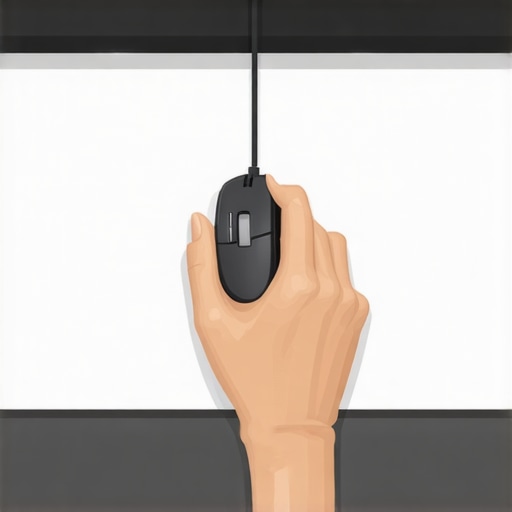
Ever found yourself wincing every time you reach for your mouse during a long workday? One moment, everything’s fine; the next, a dull ache blossoms into sharp pain, making even scrolling feel like a chore. I remember that lightbulb moment—realizing that I was unknowingly sabotaging my own comfort by ignoring a tiny, often overlooked detail in my setup. It’s frustrating, isn’t it? You sit down, feeling eager to work, and just a few minutes in, those nagging elbow pains remind you that something’s off.
The Hidden Culprit Behind Elbow Discomfort
Why does this happen so often? Well, it turns out that even small adjustments—or the lack thereof—can create a big difference in how our arms, wrists, and elbows feel after hours at the computer. I’ve been there, pushed through pain, convincing myself I just had to deal with it because, well, ergonomic tips can sound complicated and overwhelming. But I promise, it’s simpler than you think. Today, we’re going to uncover one straightforward switch that made a huge impact on my comfort level—and it can do the same for you.
Is a tiny change really worth all that effort?
Absolutely. I was guilty of overlooking a basic mistake early on—aligning my mouse and keyboard in a way that forced my elbow into an awkward bend. That simple misalignment was the root cause of my persistent pain. The good news? Correcting this is quick, easy, and requires only a few tweaks. If you’ve ever wondered whether your setup might be secretly sabotaging your health, stick around. The next step could be the game-changer you need, and to get the full picture, check out these tips for enhancing mobility.
Now, let’s dive into what you can do to make your mouse work for you, not against you—starting with that one simple switch that made all the difference in my own experience.
Start with Proper Desk and Mouse Positioning
Imagine your arm as a lever, and the mouse and keyboard as its fulcrum. If the fulcrum is off-center, your arm must strain to compensate. I recall a morning where I realized my mouse was too far to the right, forcing my elbow into an unnatural bend. To fix this, measure the distance from your elbow to your mouse, aiming for it to be directly under your shoulder when seated comfortably. Place your mouse directly in line with your body to prevent reaching or internal twisting. Adjust your desk height so your forearms are parallel to the floor, reducing unnecessary strain. Think of it like balancing a seesaw—proper positioning distributes weight evenly, preventing fatigue and discomfort.
Align Your Elbow and Wrist for Natural Movement
Aligning joints properly is essential. Set your mouse so that your wrist is straight, not bent or twisted. Use a supportive wrist pad if necessary, but avoid resting your wrist during long sessions—let your entire arm carry the load. I once used a makeshift pillow to elevate my mouse, which temporarily helped, but the real breakthrough came when I switched to an ergonomic mouse that fit my hand perfectly. This reminded me that ergonomic tools are investments in health. Think of your arm like a chain—if one link is off, the whole chain is weak. Regularly check your alignment and make micro-adjustments to maintain a natural arm posture.
Implement Micro-Movements Instead of Stiff Reaches
A common mistake is reaching for the mouse with stiff, overextended movements, like stretching to grab a remote. Instead, keep your movements small and controlled, as if you’re flicking a switch rather than pulling a lever. I experimented with this while working through a conference call; I used my entire arm minimally to maneuver the mouse, which reduced fatigue. Micro-movements conserve energy, prevent repetitive strain, and keep your elbow in a comfortable, low-tension position. Think of it as steering a boat with tiny, precise adjustments rather than a heavy-handed turn.
Break Up Long Periods of Repetitive Motion
Once your setup is optimized, remember to take mini-breaks. Every 20-30 minutes, stand up, stretch your arms, and shake out tension. During one particularly tedious coding session, I set a timer to remind me to stretch; after a few days, I noticed a significant reduction in elbow discomfort. Incorporating mobility exercises, like shoulder rolls or gentle arm circles, keeps your joints lubed and muscles active. These small habits can prevent the stiffness that often develops from static postures.
Incorporate Regular Mobility and Posture Checks
Finally, make it a habit to periodically evaluate your posture and setup. Use [mobility mastery tips](https://chiromasteryz.com/enhance-your-mobility-expert-tips-for-easier-movement-in-2025) to keep your joints flexible and your alignment optimal. Remember, small, consistent adjustments are more effective than drastic overhauls. For back health and overall comfort, even your arm’s position plays a crucial role—see this guide on [simple posture adjustments](https://chiromasteryz.com/unlocking-better-posture-simple-adjustments-to-relieve-back-pain) for more insights. By treating your workspace like a customized tool, you ensure your body works with you, not against you, during those long work hours.
While many believe that correcting posture or incorporating basic adjustments will instantly resolve back issues, the reality is more nuanced. A frequent misconception is that simply maintaining an upright position or relying heavily on ergonomic gadgets guarantees health, but this overlooks the complex interplay of movement patterns and neuromuscular habits developed over years. For instance, focusing solely on static alignment without addressing dynamic movement quality can lead to persistent discomfort, as highlighted in recent research emphasizing the importance of movement variability for spinal health.
Why do even well-intentioned adjustments sometimes worsen pain?
Many individuals fall into the trap of rigidly adhering to “perfect posture” without understanding the importance of micro-movements and natural variability. For example, holding a perfect seated posture for hours can lead to muscle endurance imbalances, contributing to stiffness and spasm. A study in the Journal of Bodywork and Movement Therapies suggests that excessive static postures restrict blood flow and impair mobility, which can backfire, increasing pain over time. So, the real secret isn’t just about holding correct positions but learning how to incorporate controlled, fluid movement into your routine.
Another common myth involves misjudging the role of stretching. Many believe static stretching is universally beneficial, but overstretching or incorrect technique can weaken tissues and destabilize joints, especially when muscles are already tight or overworked. Instead, dynamic mobility drills, like those outlined in mobility mastery tips, promote functional flexibility without risking overstretching. Remember, quality of movement often matters more than absolute flexibility.
What advanced mistake do many overlook in their back health journey?
One often-overlooked nuance is the importance of neuromuscular control. It’s not enough to know how your body should ideally be aligned; you need to train your brain and muscles to maintain that alignment dynamically during daily activities. The failure to develop this control can mean that even perfect posture cues are lost under load or fatigue, leading to compensation patterns that strain the spine. Incorporating exercises that challenge stability, like core activation drills, can help embed these patterns more reliably. For deeper insights, consider reviewing posture correction secrets which emphasize this advanced aspect.
So, next time you think about adjustments or mobility routines, ask yourself: Am I training my movement patterns, or just my static positions? Progress involves both, and neglecting the dynamic control can keep you trapped in a cycle of recurring pain. Remember, true improvements come from integrating mindful, controlled, and adaptable movements into your daily habits. Have you ever fallen into this trap? Let me know in the comments and share your experiences!
Maintaining optimal posture and mobility is an ongoing journey that requires the right tools and consistent routines. Over the years, I’ve discovered certain equipment and software that have genuinely made a difference in my ability to stay pain-free and improve flexibility. One of my top choices is the Foam Roller. I prefer a firm, densely textured foam roller because it effectively releases muscle tension in areas like the hips and back, which are crucial for maintaining proper alignment. Regular use, especially after long days of sitting, helps prevent stiffness and promotes tissue health. Additionally, I use the mobility mastery app that guides me through daily movement drills. This integrated approach keeps my joints lubricated and ensures that mobility bottlenecks don’t develop over time.
On the software front, I utilize a dedicated posture-tracking app that prompts me to adjust my sitting position and perform micro-movements periodically. These cues serve as a reminder to incorporate the top mobility strategies into my day, making the routine more manageable and less prone to neglect. Looking ahead, I anticipate that biometric sensors embedded in wearables will become more sophisticated, offering real-time feedback on muscle tension and movement quality, which could revolutionize long-term maintenance.
How can I sustain my improvements over time?
Consistency and using the right tools are key. Incorporate routine checks with visual aids like posture mirrors or alignment apps, and complement these with targeted exercises. For example, a simple yet effective practice is the daily spinal alignment adjustment. This ensures small, manageable corrections don’t slip through the cracks. Remember, the goal isn’t perfect static posture but dynamic, adaptable movement patterns that keep your body resilient.
Incorporate tools like foam rollers and mobility apps into your daily routine, and schedule periodic self-assessments. Over time, these habits create a resilient foundation that supports long-term health. Think of it as tuning your vehicle regularly—small, consistent maintenance prevents breakdowns and keeps everything running smoothly. If you’re eager to push your mobility further, try adopting a dynamic warm-up routine that integrates soft tissue work and joint mobility exercises, and notice how your movement quality improves within weeks. Remember, progress is about sustained effort, and the right tools can make all the difference in staying on track for years to come.
The Unexpected Truths I Discovered About Moving Better
One of the most eye-opening lessons I learned was that even small distractions can create big setbacks in back health. I once ignored the importance of micro-movements, thinking perfect posture was enough. But over time, I realized that consistency in dynamic movement is what truly makes a difference. Another revelation was how static stretches, if done improperly, can sometimes do more harm than good—highlighting the importance of functional mobility. And perhaps most surprisingly, developing neuromuscular control through stability exercises turned out to be the secret sauce that kept my spine resilient, even during intense workouts.
Tools That Elevate Your Mobility Journey
My trusty foam roller has been a game-changer for releasing tight tissues and promoting better alignment. I also swear by the mobility mastery app, which offers guided drills that keep me active without overthinking. For posture monitoring, I depend on a simple app that nudges me to adjust throughout the day—it’s like having a personal chiropractor in my pocket. Finally, incorporating dynamic warm-up routines from these expert tips ensures I start every day with fluid, pain-free movement.
Keep Moving and Stay Brave
Your journey towards better posture and mobility isn’t a quick fix; it’s a lifelong commitment. Embrace the idea that progress isn’t about perfection but about persistent effort and mindful adjustments. By integrating simple habits like micro-movements, regular mobility drills, and honest self-assessment, you’re setting the foundation for long-term spine health. Remember, every small step counts—your future self will thank you for choosing to act today. Are you ready to make that leap and prioritize your movement health? Let me know your biggest challenge below, and let’s tackle it together!