
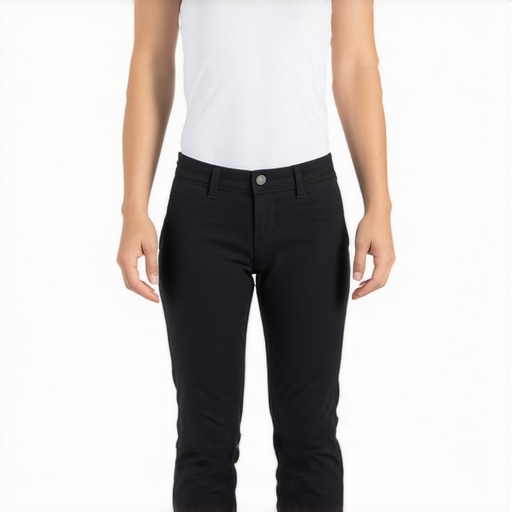
It was a day like any other, yet I felt a sharp, almost stabbing sensation in my lower back after a simple walk around the block. Frustration sank in as I realized how common this pain had become—aching after sitting too long, stiffness every morning, and that lingering discomfort that refused to budge. One moment, I was optimistic about my mobility; the next, I questioned whether I’d ever find relief without endless therapies. My lightbulb moment came when I noticed how I was standing at my desk: shoulders slouched forward, hips aligned defensively, and my feet set up in a way that seemed instinctive but actually sabotaged my spine. That realization set me on a path to discover a simple, natural standing posture that fundamentally changed how I manage my back health.
A Better Way to Stand That Can Lighten Your Lower Back
Maintaining proper posture, especially standing correctly, isn’t just about looking confident—it’s about saving your back from unnecessary pressure. I learned that the way I stand impacts my stability, muscle engagement, and ultimately, pain levels. Over time, adopting a specific stance helped me reduce the strain that I didn’t even realize I was constantly under. Today, I want to share with you the posture adjustment I made, which may seem small but carries the potential for significant relief. Believe me, this isn’t about rigid rules but about conscious movement—something I wish I’d known earlier. If you’ve ever felt that familiar pressure in your lower back, keep reading. We’re about to explore a posture shift that could change your daily experience.
Will This Stand Make a Difference for You?
Initially, I thought that changing my standing position would be trivial or perhaps temporary. But I remember making one classic mistake early on: I focused only on my shoulders and ignored my hips and feet, which are fundamental to proper alignment. This oversight delayed my improvement and even worsened my discomfort temporarily. That’s a common pitfall, and I want you to avoid it. The truth is, small adjustments can lead to big results, especially when consistent. According to a study by the Harvard Health Publishing, proper posture during standing can significantly lessen lower back pain and improve overall spinal health (source: https://www.health.harvard.edu). Now, I make it a point to stand consciously, engaging my core, aligning my hips, and distributing my weight evenly across both feet.
As we move forward, I’ll walk you through simple steps and tips that transformed my posture—steps that can help lighten your back pressure and boost your confidence in standing correctly every day. Ready to make that change?
Start with Your Feet
Stand tall with your feet hip-width apart, distributing your weight evenly. Imagine your feet as the roots of a tree—firm, grounded, and supportive. I once caught myself slipping into a narrower stance, like a tree on a windy day, which tipped me forward and increased lower back strain. So, I consciously widened my stance, feeling more balanced and stable.
Align Your Hips
Next, gently tilt your pelvis backward to eliminate the excessive arch. Think of your pelvis as a bowl of water; tilting it slightly ensures your lower back isn’t overcurved. I was notorious for tilting forward, like a leaning tower, which caused discomfort. Bringing my pelvis into neutral reduced that nagging ache after a few days of practice.
Engage Your Core
Activate your abdominal muscles, pulling your navel inward—imagine tightening a belt around your waist. This creates a corset effect, supporting your spine. Initially, I struggled to feel this engagement, often tensing my shoulders instead. Focusing on my deep core muscles made a significant difference in stability and pain reduction.
Maintain Proper Shoulder Position
Relax your shoulders down and back, avoiding the common hunch. Picture balancing a book on your head—upright, steady, and aligned. I temporarily tensed my shoulder blades together, which was counterproductive, causing tension headaches. Relaxation is key—an open chest encourages the correct stance and lessens back strain.
Distribute Weight Evenly
Imagine a string pulling your head upward, elongating your spine. Shift your weight to feel evenly on both feet, avoiding leaning to one side. I reflected on a dull pain that worsened when I favoring one foot, which I corrected by consciously centering my weight. This simple shift instantly lessened the pressure on my lower back.
Practice in Short Intervals
Implement these adjustments for a few minutes, then gradually extend the duration. I started with 5-minute sessions, mindful of how my body responded, and over time, standing correctly became second nature. Consistency transformed my posture and alleviated pain over weeks.
Micro-Story of Success
One morning, I caught myself slouching right before a virtual meeting, feeling that familiar lower back tweak. Instantly, I corrected my stance—feet grounded, pelvis neutral, core engaged. Posture maintained throughout the call, and afterward, I experienced a relief I hadn’t felt in months. Small, mindful adjustments made a huge difference.
Begin Today for Lasting Relief
Remember, these tweaks might seem simple, but their cumulative effect can seriously lighten your back load. Keep practicing, and if further guidance is needed, exploring comprehensive strategies at Master Your Mobility can help. Proper standing isn’t a one-time fix but a habit that strengthens your foundation and keeps your back healthy for years to come.
Many people assume that simply stretching more or adopting a ‘perfect’ posture will permanently solve back pain, but the truth is far more nuanced. A common misconception is that mobility is solely about flexibility—yet, in my experience, high flexibility without control can actually worsen stability, increasing injury risk. For example, overly aggressive hamstring stretching might loosen muscles but weaken joint stability if done improperly, leading to compensations and strain elsewhere. It’s crucial to understand that mobility involves strength, control, and context, not just suppleness. According to a 2020 study published in the Journal of Orthopaedic & Sports Physical Therapy, a balanced approach that combines mobility, strength, and motor control training yields better long-term outcomes than flexibility alone (source: https://www.jospt.org).
People often fall into the trap of chasing quick fixes—like vigorous foam rolling or intense stretching sessions—without addressing underlying issues like muscle imbalances or movement habits. This can create a cycle where pain persists or even worsens, because such approaches might temporarily relieve tension while neglecting foundational stability. My advice is to focus on integrated strategies that include mindful movement, core strengthening, and postural awareness. Learning proper mobility routines can prevent these pitfalls and pave the way for sustainable relief.
Another critical nuance is the importance of individual variability. What works for one person might be counterproductive for another. For example, some individuals benefitting from gentle joint mobilizations, while others might need more targeted control exercises to stabilize their back. This underscores the value of personalized assessments rather than generic advice—something I’ve refined through years of practice. Consider consulting professionals who can tailor a program specific to your unique needs.
Are you guilty of confusing flexibility with mobility or rushing into corrective exercises without understanding the underlying mechanics? Recognize these pitfalls and approach your movement practices with a deeper awareness. Remember, incremental, controlled adjustments often bring the best results, and patience is key in mastering your body’s optimal function. Want to explore how to refine your posture and movement habits? Effective posture correction tips await you. Have you ever fallen into this trap? Let me know in the comments.Maintaining your back health over the long term requires not only proper posture and movement habits but also the right tools and consistent maintenance routines. One foundational element I personally rely on is a high-quality foam roller. Selecting a dense, slightly textured foam roller allows me to perform self-myofascial release effectively, targeting tightness in muscles like the psoas or glutes, which directly influence spinal alignment. Regular use, particularly post-exercise or after prolonged sitting, keeps my musculature supple and prevents adhesions that could lead to pain.
Another indispensable tool is a lumbar support cushion designed to promote proper seated posture. I use a memory foam cushion with adjustable straps, ensuring my sacrum remains in neutral position during long work hours. This simple addition drastically reduces pressure on my lumbar discs, especially when I transition between sitting and standing.
For ongoing posture correction, I incorporate wearable biofeedback devices. These gadgets vibrate gently if my shoulders slouch or if I lean too far forward, providing real-time cues to maintain optimal alignment. Personally, I find these immediate reminders more effective than static posture checks, fostering subconscious habits that support spinal health.
Furthermore, I leverage smartphone apps that guide me through daily mobility drills and remind me to take micro-breaks. These routines include gentle stretches for the hip flexors, thoracic extension exercises, and diaphragmatic breathing. Consistency with these digital prompts enhances my flexibility and reduces stiffness, allowing me to move more freely and with less discomfort.
Predicting future trends, advancements in sensor technology will likely make personalized posture and movement monitoring more seamless and accessible. Imagine wearables that continuously analyze your movement patterns and suggest tailored adjustments in real-time, integrating seamlessly with health data platforms.
How do I maintain mobility and proper alignment over time? Regularly engaging with these tools—foam rollers, support cushions, biofeedback devices, and apps—creates a comprehensive maintenance routine. I schedule weekly self-assessment sessions, review my progress, and adjust tools and habits accordingly. This proactive approach ensures that minor issues don’t develop into chronic problems, keeping my back resilient.
If you’re serious about long-term back health, I recommend trying a targeted foam rolling session for your hip flexors or lower back. For example, focusing on releasing tightness in these areas can significantly improve your posture alignment. Remember, consistency is key, and integrating these tools into your daily routine can profoundly impact your capacity to stay active and pain-free. For more strategies tailored to this goal, check out Master Your Mobility.
How Small Posture Tweaks Can Unveil Unexpected Strength
One of my biggest realizations was that adjusting my standing position revealed muscles I never knew I had, leading to increased stability and less pain. It taught me that sometimes, minor changes in alignment unlock hidden reserves of strength.
The Power of Patience Over Quick Fixes
I learned that sustained, consistent effort in maintaining proper posture and mobility routines outperforms fleeting relief methods. This patience fosters long-term resilience, turning back pain management into a sustainable lifestyle.
The Hidden Link Between Relaxation and Alignment
Relaxing shoulders and engaging core simultaneously created a synergy I hadn’t appreciated before, highlighting that tension and misalignment often coexist. Cultivating this awareness accelerated my recovery process.
My Go-to Tools That Keep Me Moving
From foam rollers to biofeedback devices, the tools I now rely on support my daily routine, making mobility and posture maintenance accessible and effective. Personalizing these tools helps me stay committed to a pain-free life.
Embracing the Journey, Not Just the Goal
Finally, I recognized that improving back health isn’t a destination but an ongoing journey. Each small victory built my confidence, encouraging me to keep refining my habits and never settle for temporary solutions.
Discover My Essential Arsenal for Lasting Back Comfort
To maintain and enhance mobility, I trust a few key resources: Flexible Movement Guides for targeted stretches, Mobility Mastery routines to build strength, and Daily Spinal Alignments tips for everyday reinforcement. These resources helped me create a comprehensive approach that keeps my back resilient.
Your Move to a More Pain-Free Life Starts Today
Remember, mastering your posture and mobility is a personal process. The small actions you take now can lead to profound, lasting relief. Don’t wait—your back health is an investment worth making. How have you integrated posture adjustments into your daily routine? Share your experiences below and let’s support each other’s journey toward better mobility.