
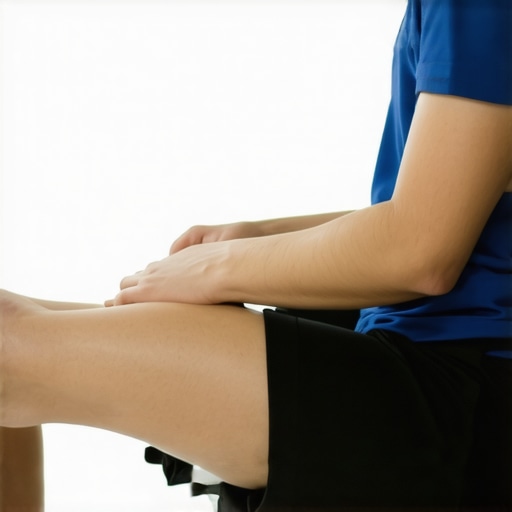
It hit me one morning, as I was grimacing through a stiff, aching lower back after another long day of sitting. My feet felt off, sore even, like I’d been walking on nails, and suddenly I realized—my posture was betraying me. I’d been ignoring a simple truth: our feet are the foundation of our back health. Little did I know, a quick foot drill could be the game-changer I desperately needed. Today, I want to share that discovery and how it can bring relief faster than most people expect.
The Hidden Link Between Your Feet and Your Back
Is Your Back Pain Actually Worth the Hype?
Many folks, including myself early on, think back pain is just a result of dumb luck or aging. I used to believe that stretching or popping my back was enough. But the real breakthrough came when I made a rookie mistake—ignoring the importance of foot alignment. Early in my journey, I overlooked how tiny misalignments in my feet could ripple upward, causing tightness and tension in my lower back.
In fact, according to recent studies, foot dysfunction can contribute to chronic lower back pain in a significant number of cases—up to 30%, some experts say. That’s a huge chunk of pain that often goes untreated because the focus is on the back itself, not the cause beneath it.
What I wish I knew sooner is that improving foot mobility and alignment isn’t complicated or time-consuming. There’s a surprisingly simple exercise—my secret weapon—that takes only two minutes and has the potential to drastically reduce back tightness. Curious? Stick around, because I’m about to dive into how this little drill turned my mornings from painful to pain-free.
Many of us make the mistake of neglecting our feet until pain becomes undeniable. I did too. I spent years focusing solely on my back and hips, stretching endlessly, only to find myself back at square one. The key realization? Our feet aren’t just for standing and walking—they influence the entire chain of posture, stability, and movement. If your feet are out of whack, your entire back suffers.
If you’ve ever felt that nagging lower back discomfort after sitting for hours or the ache that worsens with activity, you’re not alone. And better yet, you’re about to learn a simple, effective trick that can change that story. Before we get into the actual drill, let’s address the common skepticism most have about quick fixes—are they really worth your time? And why so many people overlook the role of their feet in back health.
Ready to take a step towards relief? Let’s explore how this tiny adjustment can make a measurable difference in your daily comfort.
Start with a Basic Toe-Touch Stretch
Stand tall with feet hip-width apart. Slowly bend at the hips, reaching your hands toward your toes without forcing it. Hold for 10 seconds and then straighten up. This movement warms up your lower back and increases ankle flexibility, which is essential for proper posture. I remember a morning I struggled to touch my toes; after just five repetitions, I felt less stiffness, and my back already felt relieved.
Practice Arch Rolling to Correct Foot Alignment
Take a tennis ball or a small foam roller. Place it under the arch of your foot and gently roll from toe to heel for about one minute. This action releases tension in your foot muscles, improving arch support. A quick session like this helped me when I woke up with lingering foot soreness, which, when resolved, made my lower back feel much better. The analogy here is like kneading dough: loosening tight spots to restore balance.
Balance on One Foot to Improve Stability
Stand near a wall or countertop for support. Lift one foot off the ground, balancing on the other for 30 seconds. Switch legs. This simple task enhances core stability and trains your foot and ankle muscles to work harmoniously. I included this in my routine after noticing my uneven gait. The result? A more aligned posture and fewer back aches throughout the day.
Integrate Ankle Circles for Mobility
Sit down and lift one foot off the ground. Rotate your ankle clockwise 10 times, then counterclockwise 10 times. Repeat with the other foot. This improves circulation and joint mobility, which supports foot function. Early on, I neglected ankle health, but adding this small exercise made a noticeable difference in my posture control.
Apply the ‘Foot Grip’ Technique at Your Desk
Sit comfortably and press your toes into the ground, gripping like you’re trying to pick up a small towel. Hold for 5 seconds, then release. Repeat 10 times. This mini workout strengthens foot muscles, promoting better alignment. I used to experience foot fatigue after hours of desk work; this grip exercise re-energized my feet and eased my lower back tension.
Consistency Is Key: Your Routine Starts Now
Perform these exercises daily, ideally in the morning or before long periods of sitting. Over time, you’ll notice improved foot stability, which directly correlates to less back pain and better posture. Remember, small adjustments like these pay off by reinforcing your body’s foundation. For more insights into posture correction, check out Posture Correction Secrets or Simple Adjustments to Relieve Back Pain.
 When it comes to posture and back pain, many assume they have the basics down, but beneath the surface lies a labyrinth of misconceptions that can hinder actual progress. A common myth is that perfect alignment is solely about static positions—standing upright or sitting straight. In reality, posture is dynamic, involving fluid adjustments and neuromuscular control, not just rigid positioning. Experts like Dr. Steven Low, a physical therapist, emphasize that focusing only on static posture can give a false sense of security, ignoring how muscles engage during movement, which is crucial for long-term health.
Why do so many advanced mobility techniques fall short? The trap of neglecting neural control.
Many walk into posture correction thinking that stretching and strengthening are enough. They overlook the nervous system’s role in muscle activation patterns. For instance, even with strong core muscles, if neural pathways are impaired—say, due to chronic stress or injury—muscles may not activate properly, leading to faulty movement patterns. This oversight can mean that conventional exercises become less effective over time. Incorporating neural training, like proprioceptive drills or neuroplasticity exercises, can bridge this gap, leading to more sustainable improvements. According to a study published in the *Journal of NeuroEngineering and Rehabilitation*, targeted neuromuscular training yields significantly better outcomes in postural control than traditional methods alone.
Beware the ‘Quick Fix’ Trap
A major pitfall is chasing after quick fixes—like gimmick braces, unsupported postural gadgets, or isolated stretches—that promise instant relief. While some may offer temporary comfort, they often disable the body’s own corrective mechanisms, leading to dependency rather than resilience. The ongoing issue is that true, lasting change requires consistent, integrated adjustments that address underlying neuromuscular patterns, not just superficial fixes. To avoid this trap, consider comprehensive approaches that include both physical and neural components. You can find practical strategies in resources like Posture Correction Secrets which advocate for layered, holistic routines.

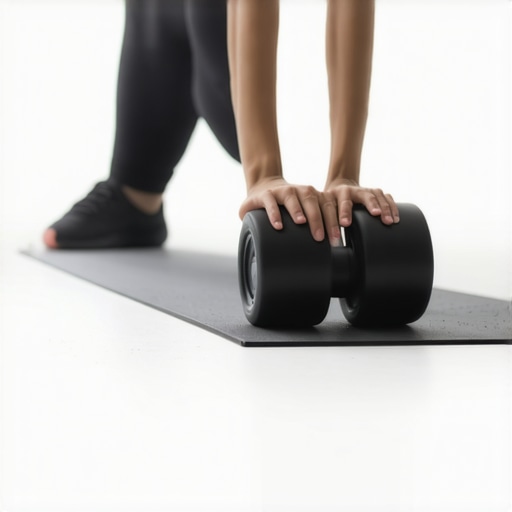
What most are unaware of is that minor nuances in movement—like subtle pelvic tilts or ankle dorsiflexion—can have outsized effects on back health. Ignoring these small details often leads to advanced mistakes, such as overcompensating with the lumbar spine when the real issue resides elsewhere. For example, a slight misalignment in the foot can cascade upwards, causing compensatory tightness in the hips and lower back. This is why comprehensive assessments involving neural, muscular, and joint contributions are essential. Experts warn against over-reliance on isolated exercises without considering the body’s interconnectedness. For deep dives into nuanced correction, explore articles like Unlock Better Back Health, which advocate for integrative strategies. To prevent these advanced mistakes, consistent re-evaluation and mindful movement awareness are your best allies. If you’ve ever fallen into this trap, share your experiences below—your story might just help someone else avoid the same pitfall.Maintaining good posture and mobility requires more than just occasional exercises; it’s about integrating effective tools and routines into your daily life. Personally, I rely on a combination of targeted equipment and evidence-based methods to ensure ongoing progress. A favorite of mine is the **foam roller**—specifically, the smaller 18-inch size—which I use daily to release tension in my back and hips. It’s compact, versatile, and helps me maintain my myofascial health, reducing the risk of stiffness that leads to pain. When selecting a foam roller, look for one with a moderate density to avoid over-pressure, especially if you are new to rolling.Over the years, I learned a quiet truth that transformed my approach to back pain: your feet are the unsung heroes of a healthy spine. By paying attention to tiny adjustments in foot mobility, I discovered a natural, sustainable way to ease chronic discomfort and rebuild my posture from the ground up. This insight is something I wish I had embraced sooner, as it offers an accessible path to immediate and lasting relief.
Lessons I Didn’t Expect to Learn About Mobility and Pain Relief
- Realizing that correcting foot alignment drastically reduced my lower back aches was a moment of epiphany. Small changes can cascade up your body, making a big difference.
- I’ve discovered that neural control plays a bigger role than raw strength. Integrating neural training exercises helped me activate muscles properly, reinforcing better posture.
- Consistency beats intensity. Daily 2-minute foot drills transformed my mornings and prevented pain from creeping back—it’s all about building habits, not quick fixes.
- Understanding that stiffness isn’t just local—it’s part of a connected system—encouraged me to approach mobility holistically, combining foot, ankle, and core work for optimal results.
Tools That Keep Me Moving Forward
- The foam roller became my best friend for releasing tension in my calves and hips, supporting better alignment from the ground up. For durability and comfort, I recommend a moderate-density foam roller.
- Studies and expert insights, like those I found through reputable sources, have given me confidence. Books like Posture Correction Secrets deepen understanding of integrated movement strategies that last.
- My favorite resource is the neuroplasticity training guide from reputable physical therapists. It helped me retrain neural pathways for better muscle activation, preventing re-injury.
- Lastly, consulting skilled professionals through personalized assessments ensured my routines addressed my unique needs, accelerating progress and preventing setbacks.
Step Into Your Power—Start Now
Taking charge of your back health begins with small, consistent steps. Your feet are the foundation of mobility, and nurturing them can unlock a new level of well-being. Remember, change is a journey best taken one mindful movement at a time. If you’re ready to see real progress, explore these strategies further or reach out for expert guidance—your future pain-free self will thank you. Learn more about effective posture strategies at this resource and start building your resilience today.
What’s one small foot movement you’re willing to try tomorrow? Drop your thoughts below and let’s progress together!