
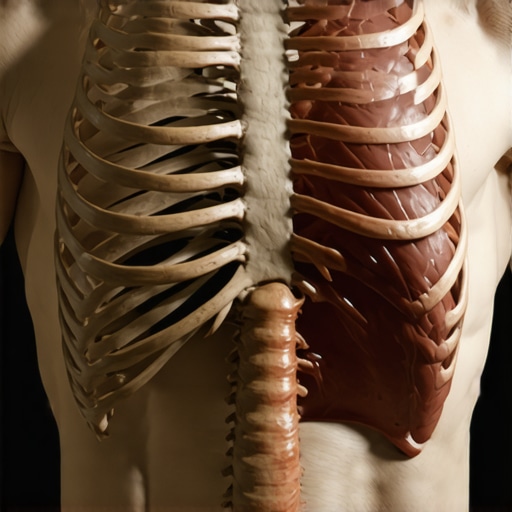
I’ll never forget the moment I realized my ribs might be secretly sabotaging my ability to breathe deeply. I had been battling that frustrating sensation—like trying to inhale through a straw—every time I took a deep breath. No matter how much I tried to relax, that tightness persisted, making me feel more anxious and exhausted. It was only after some personal digging that I discovered a lightbulb moment: my rib cage might be the culprit.
Why Your Ribs Could Be the Unexpected Barrier to Breathing Deeply
Most of us think about lungs or diaphragm when we struggle to breathe, but the rib cage plays a crucial role in the entire process. If your ribs are out of alignment or restricted, they can hinder expansion, making it feel like your chest is locked or compressed. This isn’t just about comfort—poor rib mobility can lead to reduced oxygen intake, fatigue, and even exacerbate issues like panic attacks or chronic stress. Believe me, I’ve been there, and I know how disheartening it feels to work on breathing exercises only to hit a wall because the ribs won’t cooperate.
Is This Really a Problem for Me? The Common Signs of Rib Restrictions
If you find yourself shrugging your shoulders to breathe or feeling a tight sensation in your side, chances are your ribs are involved. Sometimes, it’s subtle—like a persistent dull ache—or more obvious, like limited torso rotation or difficulty breathing deeply. In my experience, one overlooked aspect is how everyday habits—poor posture, carrying heavy bags, or even sleeping positions—can gradually tighten or misalign rib joints, leading to that uncomfortable feeling when you try to take a full, satisfying breath.
Early on, I made the mistake of ignoring these signs, assuming they were temporary or due to being out of shape. But neglecting proper rib mobility only made matters worse. If you’re tired of feeling like your chest is caged in, there’s hope—because addressing these restrictions can unlock your breath and improve your overall well-being.
In the next sections, we’ll explore practical steps to assess and release rib restrictions. If this strikes a chord, I encourage you to reflect—have you experienced similar struggles? You’re not alone, and understanding the root cause is the first step toward relief. Want to dive deeper? Check out how correct posture adjustments can make a huge difference here.
Assessing Your Rib Movement
Start by testing your torso’s rotation; sit upright, cross your arms, and slowly rotate from side to side. If movement feels restricted or painful, it indicates tightness or misalignment. To get a clearer picture, lie down on your back and place a hand on your rib cage, then breathe deeply. Notice if your ribs expand evenly on both sides. I once tried this after noticing limited torso rotation and was surprised at how uneven my rib expansion was. This simple assessment highlights areas needing focus.
Manual Techniques for Immediate Relief
Use gentle self-massage or consult a professional for targeted manual therapy to release tension. Think of your ribs as the lid of a jam jar—if stuck, twisting and gentle pressure can loosen it. I remember using a foam roller along my sides, applying light pressure while breathing deeply. I felt an instant loosening that made subsequent breaths deeper and more comfortable. Be cautious to avoid excessive force—small, consistent movements are more effective.
Mobilization Exercises to Enhance Flexibility
Incorporate specific mobility drills like thoracic extensions over a foam roller. To perform, place the roller horizontally across your upper back, lie over it with knees bent, and gently extend your thoracic spine. Imagine unwinding a stiff board—each gentle extension helps restore frequency and range of movement. When I practiced this daily, my rib expansion improved noticeably, making deep breathing easier. Regular repetition prevents re-tightening.
Strengthening and Posture Corrections
Enhance your posture with exercises that promote proper alignment. Focus on strengthening the muscles supporting your ribcage, such as the back and core. Think of your body as a house; if the foundation is weak, walls may crack. I integrated back-strengthening moves into my routine, resulting in better posture and less rib restriction. Check out posture correction secrets for detailed guidance.
Daily Habits to Maintain Mobility
Be mindful of habits that may tighten your ribs—prolonged sitting, slouching, or carrying heavy bags. Incorporate regular mini-movements, like gentle torso twists or diaphragmatic breathing, throughout the day. I started a routine of 5-minute breathing exercises each morning, noticing gradual improvements in breath capacity. You can find effective routines in daily adjustments for ongoing benefits.
Integrate Consistency for Lasting Change
Persistence is key. Schedule daily or every-other-day sessions focusing on self-mobilization and strengthening. Over time, the increased rib mobility will reduce restriction, making deep breathing second nature. Remember, even messy beginnings lead to better habits—stay committed, and you’ll feel the difference.
When it comes to back pain and posture, many of us fall prey to oversimplified solutions, believing that a quick fix or a bad habit is the root cause. The truth is, the landscape of spinal health is far more complex, and understanding these nuances can make all the difference. One common myth I encounter is the idea that correcting your posture alone will resolve chronic back issues. While good posture is essential, focusing solely on static alignment overlooks the dynamic nature of our movement patterns and the underlying neuromuscular control involved in maintaining spinal health. According to research published in the Journal of Bodywork and Movement Therapies, many persistent back problems stem from faulty movement patterns and compensations ingrained over time, not just static misalignments. If you want lasting relief, consider that improving mobility and strength in specific areas plays a critical role beyond mere postural corrections.
Investing in Your Spinal Wellness with the Right Tools
Maintaining back health isn’t a one-time effort; it’s a continuous journey that requires reliable tools. I personally swear by a high-density foam roller because it provides the perfect balance of firmness and contouring, allowing me to target tight fascia and muscle knots effectively. When used with consistent practice, it enhances mobility and prevents restrictions from creeping back. Additionally, a portable dorsal brace has become indispensable, especially during long workdays; it gently reminds me to sit upright, reinforcing good posture and reducing strain.
Why I Trust Specific Equipment
The TriggerPoint GRID foam roller exemplifies quality craftsmanship, with its multi-dimensional surface designed to mimic hands and fingers, offering a deep tissue massage. Personally, I incorporate it into my daily routine after mobility exercises to prevent re-tightening of my thoracic region. For postural reinforcement, I favor a posture corrector with adjustable straps that suit my changing needs and provide gentle cues to maintain alignment. These tools have reduced my reliance on passive fixes and foster active self-management.
Embracing Technology for Better Mobility
Digital solutions like movement tracking apps have revolutionized the way I monitor progress. Using a simple smartphone app paired with a smart posture sensor, I can visualize my habits and receive alerts when I slouch. This real-time feedback ensures I catch poor postural habits early, allowing me to correct them before they become ingrained. Moreover, guided video tutorials on platforms like YouTube or specialized apps like Mobility Mastery enable me to access tailored exercises that target my areas of stiffness, such as hip flexors or thoracic spine. Incorporating these into my routine keeps my mobility on track, even on the busiest days.
Predicting the Future of Back Maintenance Tools
As technology advances, I foresee an increased integration of AI-driven biofeedback devices, providing personalized insights based on movement patterns and real-time data. These innovations will empower users to optimize their routines proactively, minimizing setbacks and promoting longevity in back health. The ongoing development of portable, wearable sensors with seamless app connectivity will make consistent maintenance effortless, even during travel or busy schedules.
How Do I Sustain My Progress Over Time?
Consistency remains the cornerstone. Regularly revisiting my mobility routines with guided exercises from trusted sources like Mobility Mastery ensures I preserve and improve my flexibility. Incorporating daily habits such as mindful posture checks, scheduled movement breaks, and targeted stretches ensures long-term results. Remember, using tools effectively is about making them part of your lifestyle—think of them as investments in your body’s future health. Don’t hesitate to experiment with advanced tips like incorporating controlled breathing techniques during exercises to maximize benefits. For instance, synchronized breathing with mobility drills enhances relaxation and muscle release, a tip supported by recent research in neuro-muscular recovery. Try integrating that into your routine today and experience the difference.
Through my experiences, I’ve discovered that the journey to better breathing often involves more than just lungs—it requires an honest look at our subtle, often overlooked structures like the ribs. Embracing this holistic perspective transformed my approach and led to lasting improvements in my well-being.
Lessons Hidden in My Struggles with Movement and Posture
- I realized that persistent tightness wasn’t just a random inconvenience but a sign of underlying restrictions that I could address through targeted mobility work and mindful habits.
- Ignoring early warning signs of rib tightness only prolonged discomfort, teaching me the importance of proactive self-assessment and gentle intervention.
- Trusting the process of gradual release and consistent practice unlocked deeper breaths and a renewed sense of freedom in my movement.
- My journey emphasized that comprehension of our body’s mechanics must be complemented by patience and dedication to truly see progress.
Tools That Rewrote My Mobility Story
- TriggerPoint GRID Foam Roller: Its ergonomic design provided me with effective, self-directed muscle release, making daily mobility exercises more accessible and sustainable.
- Posture Corrector Devices: These gentle reminders helped me maintain awareness and align my spine during daily activities, reinforcing good habits.
- Biofeedback Apps: Technologies that tracked my posture and movement habits gave me real-time insights, motivating consistent improvement and accountability.
- Educational Resources on Mobility and Posture: Platforms like Mobility Mastery offered clear, evidence-based routines that complemented my efforts and minimized injury risks.
Ignite Your Movement and Breathe with Confidence
If my story inspires even a spark of curiosity or hope, remember that inaction isn’t the answer. Every small step towards understanding and caring for your body is a victory. Dive into resources like top mobility strategies and begin your own journey today. Your body is resilient, capable of remarkable change when given the right attention and patience.
What’s one small habit you’re willing to adopt to improve your rib mobility or breathing? Share your thoughts below and let’s support each other in this path toward healthier, more liberated movement.