
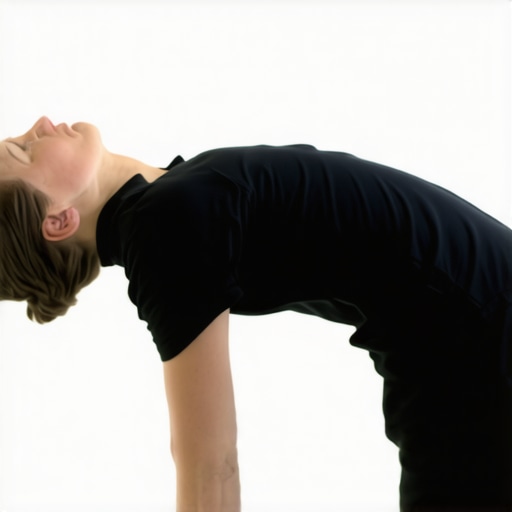
I remember the exact moment I realized my spinal mobility was holding me back. I was half-heartedly attempting a simple stretch, and suddenly, I felt that familiar twinge in my lower back—almost like a wake-up call. It was a lightbulb moment that made me reconsider how I usually assess my movement. Instead of complicated tests or costly assessments, I stumbled upon a straightforward, effective way to gauge my mobility: the Simple Wall Test for instant feedback.
Your Hidden Mobility Roadblock
For years, I ignored subtle signs—tightness, stiffness, even occasional discomfort—that hinted my spine wasn’t moving as freely as it should. Like many, I accepted these as normal. But what if I told you that a quick, painless test could reveal your spinal limitations in real time? That’s exactly what the Wall Test offers. It’s a low-pressure way to understand your body’s current state and take the first step toward better movement and less pain.
Could this tiny slip-up be sabotaging your progress?
Early on, I made the mistake of thinking I could push through discomfort without realizing that I was actually reinforcing poor movement habits. I kept ignoring my body’s signals, hoping flexibility would improve on its own. Trust me, that was a mistake. Instead of forcing moves that might worsen things, I learned that simple assessments—like the Wall Test—can reveal critical insights without risk. Want to learn how you can do the same? Dive into this easy test and discover what your current spine mobility says about your everyday health.
Why Mobility Matters More Than You Think
In fact, researchers have shown that restricted spinal movement isn’t just about stiffness; it can be a hidden contributor to chronic pain and decreased functional capacity. Simultaneously, improving your mobility can unlock better posture, reduce discomfort, and enhance overall quality of life. So, if you’ve ever felt that nagging tightness after sitting too long or struggled to straighten up after a long day, this simple test might be just what you need. Curious? Let’s explore how to perform it and interpret your results meaningfully.
Perform the Wall Test Correctly
Stand with your back against a wall, feet shoulder-width apart, and ensure your heels touch the wall. Raise one arm and attempt to slide it up and down along the wall without arching your lower back. A messy, wobbly movement indicates restrictions. In my messy attempt last week, I struggled to get my shoulder fully up, revealing tightness in my thoracic spine. Recognizing these limitations is the first step toward improvement.
Incorporate Dynamic Warm-Ups Before Movement
Start with Gentle Spinal Circles
Stand with feet hip-width, place your hands on your hips, and make slow circular motions with your torso, rotating through your waist and upper back. This warms up your joints and tissues, making subsequent exercises more effective. I often skip this and feel stiffness during deeper stretches, but after consciously warming up, my movements felt smoother and less painful.
Practice Controlled Cat-Cow Movements
Get on all fours and alternate between arching your back towards the ceiling (cat) and dipping it towards the floor (cow). Move slowly, focusing on articulating each vertebra. This helps to lubricate your spinal joints and activate muscles supporting mobility. I found that doing this in the morning eased my back stiffness throughout the day.
Use Targeted Stretches for Specific Restrictions
The Thoracic Openers
Lie on your side, with a foam roller placed along your upper back. Gently rotate your shoulders back and forth over the roller, aiming to loosen tight areas. This targeted approach improved my rounded shoulders and made my overhead movements less painful.
Hip Flexor Deep Stretches
Keep one knee on the ground, and gently push your hips forward until you feel a stretch in the front of your hip. Hold for 30 seconds, then switch sides. Tight hips can cause compensations in your spine, so releasing this tension directly benefits your mobility. I felt a noticeable difference after just two sessions.
Strategic Movement Integration
Schedule short mobility breaks every hour, performing simple movements like torso twists or gentle lunges. For example, last week I paused my work to do a quick lunge with a twist, which reset my spine and reduced stiffness. Consistency creates lasting improvements.
Enhance Your Posture with Micro-Adjustments
Pay attention to your daily habits—sitting position, walking gait, and how you carry objects. Small tweaks, like aligning your ears over your shoulders while working, can prevent setbacks. Check out this guide for effective postural adjustments.

Visualize proper spinal alignment with illustrative diagram of standing posture showing ear, shoulder, and hip alignment.
Many people assume that quick adjustments or focusing solely on stretching will resolve complex back pain and mobility issues. This oversimplification often leads to ineffective solutions. One widespread myth is that pain always indicates a need for spinal realignment, but in reality, pain can stem from muscular imbalances, movement habits, or neural sensitivities that adjustments alone don’t address. Relying solely on adjustments without considering improving movement quality may lead to temporary relief but often results in recurrence, as explained in research from the Journal of Orthopaedic & Sports Physical Therapy. Another misconception involves posture: many believe that perfect alignment at all times is necessary, yet static postures are less critical than dynamic movement habits. The key is to cultivate awareness and integrate functional movement patterns, not just hold positions, which can sometimes reinforce rigidity. Be cautious of the ‘quick fix’ mentality: believing that a single adjustment or stretch will permanently eliminate back issues is a trap. Instead, focus on _strategic, consistent mobility practices_ and _daily habits that support spinal health_. For those seeking a deeper understanding of how to effectively rebuild movement and reduce pain, I recommend exploring detailed strategies in our [master your mobility](https://chiromasteryz.com/master-your-mobility-top-strategies-for-moving-without-pain) guide. Remember, true progress stems from understanding the nuanced interplay between muscle movement, joint function, and neural responses—not just quick fixes. Are you guilty of falling into this trap? Share your experiences in the comments, and let’s keep the conversation going.
Maintaining your spinal health over time requires more than just occasional stretches; it demands dedicated tools and consistent routines that support your mobility and posture. One of my go-to resources is a high-quality foam roller, specifically the TheraBand Rumble Roller. I personally use it daily to target my thoracic spine and pectoral muscles, helping to prevent tightness that often leads to back pain. The textured surface provides just enough pressure without causing bruising, making it ideal for both beginners and seasoned mobility enthusiasts.
In addition, I recommend incorporating a massage ball—like the Acumobility Ball—for pinpointing stubborn knots in your shoulder blades and hips. I use mine after workouts to release my soft tissues and improve overall flexibility. Regular self-myofascial release with these tools keeps my tissue quality optimal and reduces the need for frequent manual therapy sessions.
Technology also plays a crucial role. Apps like Enhance Your Mobility provide guided routines tailored to specific mobility goals, integrating video tutorials and progress tracking. Personally, I find setting daily reminders through these apps keeps me accountable, ensuring my routines become a habit rather than a chore.
For strengthening and stabilization, resistance bands are invaluable. I favor the mini-resistance bands during my warm-up, especially for activating hip adductors and rotators. They help create neuromuscular awareness, which is essential for long-term improvement and injury prevention. As a bonus, portable and affordable, these bands fit easily into my bag for travel, ensuring I stay on top of my mobility regimen even on the road.
Implementing routine maintenance with these tools is vital, but understanding the correct techniques amplifies their benefits. For example, when using a foam roller, focus on controlled, slow rolls over tight spots, avoiding excessive pressure that might irritate your tissues. Consider consulting experts—like those at the contact page—to tailor routines specific to your needs, especially if you’re managing chronic discomfort or recovering from injury.
How do I keep my mobility routine effective over the years?
The key lies in gradually increasing the intensity and variety of your routines while listening to your body’s signals. As your flexibility improves, challenge yourself with more advanced stretches or dynamic movements that mimic everyday activities. Regularly reassessing your mobility through simple tests like the Wall Test can help track progress and highlight areas needing attention.
Remember, consistency is essential. Schedule short, focused sessions at least three times a week, and use your tools to maintain tissue health. For long-term success, consider integrating mobility and posture exercises into your daily habits—like adjusting your workspace or practicing mindful movement during routine tasks. Strategic use of these tools combined with prudent maintenance routines sets the stage for lasting spinal health and improved quality of life.
For example, I challenge you to incorporate a 5-minute foam rolling routine into your morning or evening. Focus on areas that feel tense or restricted. Over time, you will notice increased ease in everyday movements and a significant reduction in discomfort. Want to dive deeper? Explore these posture strategies for even more comprehensive long-term benefits.

Close-up of a person using a foam roller on their thoracic spine, highlighting proper technique for tissue release.
3 Lessons That Changed How I Approach My Back Health
One of the toughest realizations was acknowledging that quick fixes often mask deeper issues rather than solve them. For example, relying solely on spinal adjustments without improving movement habits led me to temporary relief but recurring pain. I learned that building true mobility requires patience, consistent routines, and understanding the interconnectedness of muscles, joints, and neural pathways. Another eye-opener was realizing that static postures are less problematic than how we move throughout the day; dynamic habits matter more than static alignment. Lastly, I discovered that self-assessment tools like the Simple Wall Test provide invaluable insights that no gadget or expensive assessment can replicate—empowering me to take immediate action. If you’re tired of feeling stuck in the cycle of pain, embracing these lessons can transition your approach from reactive to proactive.