
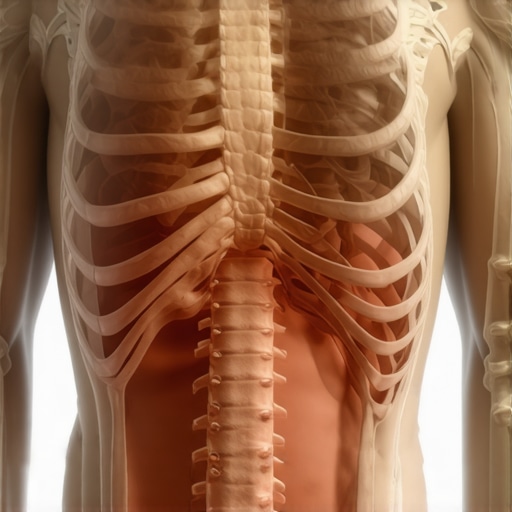
Have you ever felt that sharp, unexpected pain in your ribs every time you cough or sneeze? One moment, you’re catching your breath, and the next, a jolt of discomfort reminds you that something’s not quite right. I vividly remember the first time it happened to me—after a stubborn cold, I let out a powerful sneeze, only to be hit with a profound ache that lingered for days. It was a lightbulb moment that made me realize just how fragile our ribcage can be, especially after those sudden, intense bursts of effort.
Understanding the Hidden Causes of Rib Pain After Coughing or Sneezing
Many people dismiss this kind of pain as mere muscle soreness or a minor inconvenience. But in reality, what you’re experiencing could be linked to underlying issues with your posture, muscular strength, or even your rib alignment. When you cough or sneeze forcefully, it exerts a significant pressure on your rib cage—much more than you might think. If your ribs or the muscles supporting them are weak or misaligned, that sudden force can trigger pain or discomfort.
In my early days of trying to understand this problem, I made the mistake of ignoring my posture altogether. I thought as long as I wasn’t feeling constant pain, I was fine. But I later learned from experts that repetitive strain or poor alignment can make your ribs more susceptible to pain after sudden increases in intra-abdominal pressure, like coughing or sneezing. Frequent misalignments or muscular imbalances can turn a simple sneeze into a source of ongoing discomfort.
A recent study published in the Journal of Bodywork and Movement Therapies found that targeted posture exercises and mobility strategies could significantly reduce such pain episodes. So, if you’re tired of that sharp twinge every time you cough, it may be time to look beyond just resting and consider addressing your posture and muscle health.
Are you one of those who often feels that lingering soreness after a cold or allergy attack? Or maybe every cough feels like it might cause a rib fracture? You’re not alone—and help is easier than you think. The good news is that with a few practical adjustments and exercises, you can strengthen the muscles around your ribs, improve your alignment, and drastically reduce the frequency and severity of this pain.
Next, I’ll walk you through some of the most effective strategies to tackle this issue head-on. But before we dive into solutions, let me share a little more about the common mistakes I made early in my journey—and how avoiding them can save you time and discomfort.
Engage Your Breathing Muscles Correctly
Start by practicing diaphragmatic breathing—imagine your belly expanding like a balloon as you breathe in. Lie flat on your back, place one hand on your chest and the other on your belly, then inhale deeply through your nose, feeling your diaphragm engage. Exhale slowly through pursed lips, ensuring your belly deflates. This exercise retrains your breathing muscles to support your ribs better, reducing strain during sudden pressures.
Implement Targeted Posture Adjustments
Take a moment to evaluate your daily posture. Sit with your feet flat on the ground, shoulders relaxed, and your back aligned against the chair. Think of your spine as a stack of coins—stability depends on proper alignment. Regularly reset your posture every 30 minutes by standing, stretching, and adjusting your sitting position. For detailed correction techniques, explore posture correction secrets.
Incorporate Mobility and Flexibility Routines
Engage in gentle spine and thoracic mobility exercises to keep your rib cage moving freely. For example, try the seated torso twist: sit upright, cross your arms over your chest, and gently rotate your upper body left and right. Aim for 10 repetitions each side daily. Improving your thoracic flexibility prevents stiffness that can make your ribs more susceptible to injury. To deepen your mobility, check out mobility strategies.
Strengthen the Muscles Supporting Your Ribs
Focus on exercises that activate your core and back muscles. Pilates-inspired moves like the bird-dog—on hands and knees, extend one arm and the opposite leg, hold briefly, then switch—are effective. This stabilizes your spine and ribs, making sudden coughing less likely to cause pain. Remember, consistency is key; perform these exercises at least three times a week. For a comprehensive program, consider mobility mastery exercises.
Practice Daily Adjustments for Spinal Alignment
Small routine tweaks can make a big difference. When rising from bed or a chair, avoid twisting aggressively; instead, turn your whole body as a unit. Use ergonomic supports and ensure your workspace promotes proper alignment. These micro-adjustments help maintain your spine and ribs in optimal position, preventing misalignments that lead to pain. Discover more at daily adjustment routines.
Stay Mindful During Physical Activities
Whether lifting groceries or exercising, pay attention to your form. Use your legs, not your back, to lift heavy objects—think of your body as a lever with your legs as the fulcrum. Avoid sudden, awkward movements that could strain your ribs. Incorporate controlled, deliberate motions, especially during activities that involve twisting or bending. For tips on proper lifting, visit lifting techniques.
Integrate These Steps Into Your Routine
The key lies in consistency. Set aside a few minutes daily to practice proper breathing, posture resets, mobility exercises, and mindful activity. Over time, these habits will strengthen your thoracic support system, lowering your risk of pain during coughing or sneezing. Remember, small, regular actions outweigh sporadic intense efforts, creating lasting change in your back health.
When it comes to back pain, many believe that simple stretches or strengthening exercises are the universal fix. However, this oversimplification overlooks critical nuances that can make or break your recovery. A common myth is that all postural issues are purely mechanical, but recent research emphasizes the significance of neuromuscular control and the body’s proprioception. For example, a study published in the Journal of Orthopaedic & Sports Physical Therapy highlights how subtle deficits in sensorimotor integration contribute to chronic back pain, suggesting that therapy should target both mechanical and neurological factors.
Are You Overlooking the Body’s Warning Signals?One trap I see frequently is the mistaken belief that pain is the only indicator of misalignment or dysfunction. In reality, subtle signs like asymmetrical movement patterns, uneven muscle fatigue, or even minor discomfort can be early warning signs. Neglecting these cues often leads to advanced problems. Instead of waiting for pain to become unbearable, integrating proprioceptive training and regular mobility assessments—such as the mobility strategies—can catch issues before they escalate. This proactive approach helps you develop a deeper awareness of your body’s signals, preventing minor quirks from turning into chronic issues.
A common misconception is that static posture correction alone addresses back pain. While alignment is vital, the body’s dynamic movements and neuromuscular responses play an equally crucial role. For instance, focusing solely on sitting posture without considering how you move during activities can leave gaps in your strategy. Incorporating functional movements and dynamic adjustments—like those discussed in posture correction techniques—ensures that your body maintains resilience during real-life tasks.
Furthermore, many underestimate the importance of micro-adjustments throughout the day. Small daily routines, such as adjusting your workspace or practicing mindful breathing—see how daily adjustments—can collectively prevent misalignments. These habits might seem minor but are essential for long-term health.
Never forget that the interplay between mobility, posture, and neuromuscular control is complex. Over-focus on one aspect can lead to misplaced efforts or even exacerbate issues. To deepen your understanding, exploring mobility mastery provides practical insights into balancing strength, flexibility, and control.
Have you ever fallen into this trap? Let me know in the comments. Recognizing these subtleties is the first step toward truly effective back health management.Maintaining your back’s health over the long term requires more than just occasional stretches and awareness; it demands the right tools and consistent routines. Personally, I rely on a combination of targeted equipment and digital resources that help me monitor progress, correct posture, and stay motivated. One of my go-to tools is a high-density foam roller, which I use daily to release my thoracic and lumbar tension. Unlike cheaper foam rollers, a dense, textured roller offers enough pressure to break down adhesions without causing bruising, making it ideal for regular self-myofascial release. If you’re new to foam rolling, start gently and focus on slow, controlled motions, especially around your shoulders and hips. For detailed techniques, check out mobility strategies.
Another essential tool I incorporate is a posture-correcting chair cushion, especially during long workdays. This cushion helps maintain a neutral spine position, preventing slouching and pelvic tilt. Combined with conscious micro-adjustments, these ergonomics support my posture and reduce strain. To fine-tune your sitting habits, explore posture correction secrets.
Digital apps also play a crucial role. I use posture monitoring apps that prompt me to sit upright and provide real-time feedback when I slouch. These apps leverage the camera to assess your alignment and offer corrective cues, fostering awareness. Regularly reviewing your posture data helps you identify patterns and areas needing attention.
Long-term results depend on consistency. Establishing a daily routine that integrates these tools enhances mobility, reduces pain episodes, and prevents future issues. For example, I dedicate ten minutes each morning to rolling, stretching, and aligning my spine. Over time, this practice has significantly improved my functional mobility and reduced reliance on corrective adjustments.
Looking ahead, the trend in back health management is shifting toward smart technology integration—wearables that track spinal movement and posture, providing personalized feedback and exercises. As these innovations become more accessible, maintaining optimal back health will become more automated and effective.
**How do I maintain back health over time?** The key is to combine active self-care with the right tools, ensuring consistent engagement and gradual improvement. I highly recommend trying a comprehensive mobility routine with a foam roller and setting up your workspace with ergonomic supports. Remember, the goal is to make proactive adjustments before pain becomes chronic, leveraging both physical tools and technology.
Ready to take it a step further? Incorporate a regular mobility session using the strategies outlined above—like targeted foam rolling and posture awareness—and notice how your resilience improves. Consistency and mindful practice are your best allies in long-term back health. For additional tips, browse mobility mastery exercises and start building a routine today.
The Hardest Lesson I Learned About Back Pain, Mobility, Posture, and Adjustments
One of my biggest realizations was that quick fixes rarely lead to lasting relief. I used to think stretching was enough, but I overlooked the importance of neuromuscular control and daily habits. It took persistent effort and a willingness to reevaluate my routines to make meaningful progress.
Three Myths About Back Pain, Posture, and Movement That Held Me Back
Believing that posture is solely about static alignment or that core strength alone can solve all issues was a mistake. It’s the combination of movement patterns, flexibility, and proprioception that truly influences long-term back health. Dispelling these myths has empowered me to approach recovery with a more holistic mindset.
What Experts Won’t Tell You About Posture and Mobility
Many professionals emphasize perfect alignment, but real-world movement involves dynamic adjustments. Learning to listen to your body’s signals and implementing micro-movements throughout the day can prevent pain and enhance resilience. This perspective challenged me to incorporate more functional mobility into my routines.