
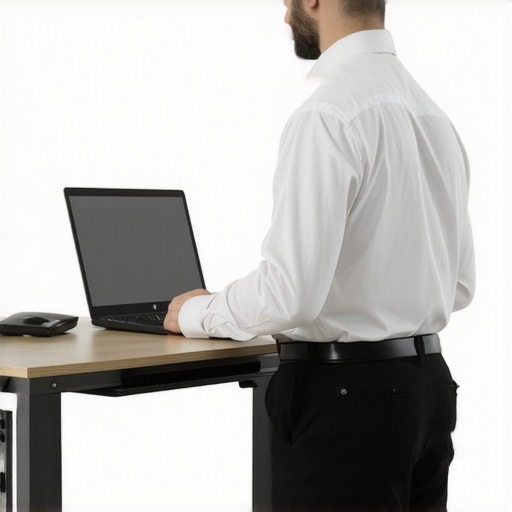
I remember the moment vividly: after a long day of alternating between sitting and standing at my desk, I felt a sharp, almost shocking sensation in my lower back. It wasn’t just occasional discomfort anymore; it felt like a warning sign. I had been told that standing was better for my posture and back health, yet here I was, worse off than before. That lightbulb moment made me realize there’s more to the story than the simple switch of sitting to standing.
Why the Common Standing Desk Solution Might Be Making Things Worse
Many of us jump onto standing desks with high hopes of alleviating back pain and improving mobility. But what if I told you that, in some cases, standing too much—or in the wrong way—can actually increase lower back compression? It’s a frustrating paradox and one many overlook.
As I dug deeper into the science, I found that improper standing posture can place additional pressure on the lumbar spine. A study published in the Journal of Physical Therapy Science highlights that prolonged standing, especially with poor posture, significantly increases lumbar disc pressure, potentially exacerbating existing back issues. This might explain why so many who switch to standing desks still experience pain.
Early in my journey, I made the mistake of standing for hours without paying attention to my alignment, thinking that more standing automatically equated to better health. That mistake, I now know, is common but avoidable. It underscores the importance of understanding not just the activity—standing—but how we do it.
If you’re someone who’s stuck in the cycle of trying different desk setups without relief, you’re not alone. Have you experienced worsening discomfort after switching to a standing position? If so, don’t worry—help is on the way. Today, I’ll share insights and strategies that helped me—and countless others—manage lower back pressure and move freely again.
Let’s explore how you can optimize your standing habits to truly benefit your back health, rather than inadvertently causing more harm.
Master Your Standing Posture
1. Start with a Neutral Spine
Think of your spine as a gently curved S-shape, not a straight rod. When standing, engage your core muscles to support this natural alignment. I recall one session where I consciously drew my belly button inward, imagining pulling a string from my midsection upward. The immediate relief in my lower back was noticeable. Consistently maintaining this neutral posture reduces excessive lumbar pressure and prevents strain.
2. Shift Your Weight Regularly
Standing in the same spot for too long is like a plant with roots stuck in one place—it starts to suffer. Alternate your weight between both feet every 15-20 minutes, and occasionally lift a heel or toe to avoid rigidity. I used to fixate on a single stance, which lead to soreness, until I set a timer to remind me to move. This micro-movement mimics natural gait patterns and alleviates pressure buildup.
3. Use a Slight Knee Bend
Locking the knees creates a rigid posture that shifts stress to the lower back. Instead, keep a relaxed, slight bend—like a cautious, ready stance. During my own practice, I noticed that a small hinge at the knees reduced back fatigue significantly, akin to how a flexible gate absorbs shocks better than a rigid one. This micro-adjustment dissipates force and fosters better alignment.
Enhance Your Standing Setup
4. Adjust Your Desk and Screen Height
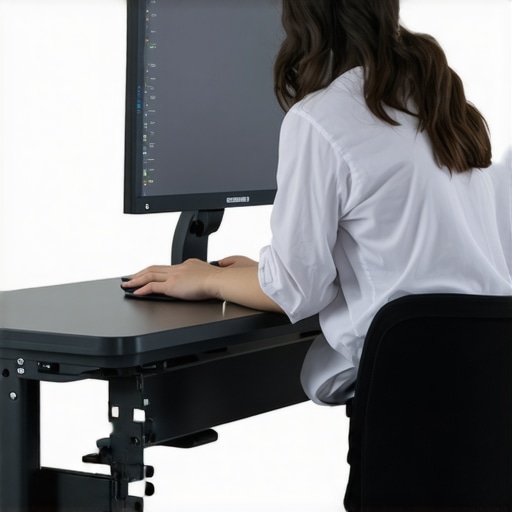
Your monitor should be at eye level, and your keyboard reachable without hunching forward. Imagine the setup as the cockpit of a plane—everything should be within comfortable reach to prevent leaning or straining. Once I elevated my monitor and adjusted my keyboard, I felt my neck and shoulders relax, which in turn relieved lumbar tension. If you’re unsure, check out this guide for ergonomic tips.
5. Support Your Feet
Wearing supportive shoes or standing on a cushioned mat can make a big difference. Consider it like planting your roots firmly but comfortably. I switched to cushioned anti-fatigue mats during my work hours, which softened the impact on my lower back. Think of your feet as the foundation of a building—the more stable, the less strain on the structure.
Incorporate Movement Breaks
6. Integrate Dynamic Movements
Every 20-30 minutes, perform simple movements like leg swings, hip circles, or torso twists. These act like oiling a machine—keeping parts moving smoothly prevents stiffness and back pain. I set a reminder to do these stretches, which helped me avoid the trap of static standing. These micro-dances mimic natural shifts we make throughout the day, keeping the spine mobile and healthy.
7. Engage and Relax Muscles Strategically
Alternate between engaging core muscles and relaxing them to improve endurance and reduce fatigue. It’s similar to flexing and releasing a rubber band—controlled tension stabilizes your spine, while relaxation prevents overuse. During my practice, consciously contracting my abs for a few seconds before relaxing made my back feel less strained, reinforcing proper muscle engagement.
Remember, Small Adjustments Matter
Implementing these changes isn’t about perfection but consistency. A few conscious micro-adjustments—like shifting weight, activating muscles, or elevating your screen—build a sustainable standing routine that supports your back. I found that combining these steps transformed my experience from discomfort to stability, allowing me to stand longer without pain.
Explore more techniques for mobility mastery and daily spinal routines to keep your back healthy. Small, consistent efforts lead to lasting relief and better movement habits.
Many people believe that correcting posture alone can eliminate back pain, but this oversimplification often leads to frustration. The misconception that a perfectly aligned spine guarantees relief ignores the complex interplay of muscular strength, neural regulation, and movement patterns. In practice, it’s common to focus on static postural adjustments without addressing dynamic habits, which are crucial for long-term health. For example, overemphasizing the role of ‘good’ posture can cause individuals to develop a rigid, unnatural stance, increasing muscular tension and decreasing mobility. This rigidity can ironically contribute to more discomfort, as the body isn’t designed to hold fixed positions constantly. According to research published in the Journal of Bodywork and Movement Therapies, dynamic movement variability is a key factor in maintaining spinal health and preventing pain. The false belief that static correction suffices becomes a trap when we neglect the importance of functional movement and muscular balance. One widespread myth is that arching the lower back during standing or lifting relieves pressure, but in reality, it can exacerbate instability and strain. Skilled practitioners focus on enhancing controlled mobility, allowing safe ranges of motion while maintaining neural stability. Advanced enthusiasts often overlook subtle risks like compensatory patterns—when weak muscles lead to overuse of others, creating imbalance and chronic issues. It’s vital to recognize that posture isn’t static; it’s a fluid, adaptable process influenced by movement, breathing, and muscle control. Engaging in targeted mobility and strength exercises, as outlined in resources like [this guide](https://chiromasteryz.com/master-your-mobility-top-strategies-for-moving-without-pain), helps develop resilient and flexible tissues. Avoid falling into the trap of equating posture correction with instant pain relief. Instead, focus on cultivating habitual movement awareness and muscular balance. Do you find yourself fixating on static postures? Share your experiences in the comments! Remember, true back health requires a comprehensive approach that integrates mobility, strength, and neural control—bivocally often overlooked in mainstream advice.Maintaining your back health over the long term requires more than just understanding posture; it involves utilizing the right tools and strategies consistently. One device I personally rely on is the **foam roller**. I prefer a medium-density foam roller with a textured surface, which provides deep tissue massage without risking bruising or overstretching. Regularly using a foam roller helps release myofascial trigger points, particularly in the thoracic and lumbar regions, promoting better mobility and reducing chronic tension. For targeted relief, I use the **Trigger Point Grid** model, as its varied textures allow me to address different muscle groups effectively. Additionally, I incorporate a **preferably ergonomic, sit-stand desk**—preferably with adjustable height and a sturdy build—to alternate between sitting and standing phases while maintaining proper alignment. For software, I depend on **the Pomodoro Technique** apps, like Focus Booster, to remind me to take micro-breaks and perform quick mobility stretches every 20-30 minutes. These movements, ranging from gentle hip circles to thoracic rotations, keep my spine flexible and reduce pain.
Looking ahead, I predict that wearable technology integrating biofeedback will become increasingly essential for back health. Devices that monitor posture and provide real-time corrections—like posture sensor patches—could become standard. Already, some advanced wearables are capable of alerting you when you deviate from ideal alignment, allowing immediate adjustment.
### How do I sustain these practices over time?
Consistency is key. I set specific daily routines—like rolling before and after work, and standing periodically—so they become habits. To monitor progress, I occasionally record my mobility sessions or consult with a professional via telehealth programs, which provide tailored feedback. By integrating these tools and techniques into my routine, I’ve found a sustainable way to preserve my mobility and reduce back pain.
For deeper insights on mobility mastery, I recommend reviewing this comprehensive guide. Plus, incorporating regular **daily adjustments to spinal routines**, as explained here, can make a significant difference in long-term results.
Remember, the right tools combined with disciplined practice create a powerful synergy that supports your back health over the years. Try integrating a foam roller into your morning routine or setting periodic reminders to stand, and observe how your mobility improves. The key is to start small, stay consistent, and adapt as your body responds.
What I Once Overlooked About Dynamic Movement
Initially, I believed static posture corrections would solve my back pain, but I soon discovered that consistent, subtle movements are key. It was a lightbulb moment when I realized that holding a perfect posture all day isn’t realistic; what matters more is how you keep your spine active through small, intentional shifts.
The Surprising Power of Mindful Micro-Adjustments
Small tweaks like adjusting my foot posture or silent engaging of my core muscles during work made unexpectedly big differences. These micro-adjustments prevented my back from becoming stiff and allowed me to stay comfortable longer—learning to listen to my body’s signals changed everything.
How Correct Support Turns the Tide
Choosing the right ergonomic tools was a game-changer. I trusted supportive footwear, cushioned mats, and smart desk accessories that aligned with my body’s natural curves. These support strategies didn’t just relieve pain—they empowered me to maintain healthy habits throughout my day.
Curating My Essential Mobility Arsenal
I invested in a medium-density foam roller, a quality sit-stand desk, and biofeedback wearables. These tools not only addressed my immediate discomfort but also fostered ongoing mobility awareness, helping me take control of my back health in a sustainable way.
Feeling Inspired to Take Action
Remember, small, consistent changes can have a profound impact on your back and posture. Empower yourself with knowledge, choose the right tools, and stay curious about your body’s responses. Your journey toward lasting mobility and pain relief starts today—take that first step with confidence!