
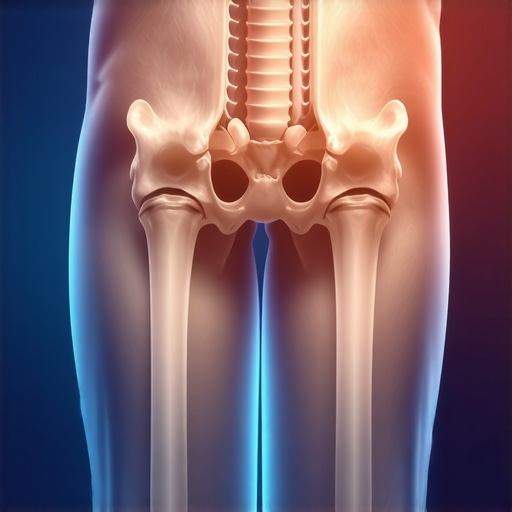
I vividly remember the moment I realized my knee surgery might be messing with my back. I was hobbling around, feeling frustrated, when suddenly, a sharp twinge shot through my lower spine during a simple walk. It was as if my body was telling me, “Hey, something’s off!” That lightbulb moment pushed me to dig deeper into the connection between my knee replacement and that nagging backache. If you’ve gone through a knee replacement and now find yourself battling new or worsening back pain, you’re not alone. Many folks overlook how changes in one part of the body can ripple into others, especially when it comes to joints and posture.
Your Knee and Spine Might Be Playing Ping Pong
Here’s the honest truth: Your body works as a complex, interconnected system. When you get a knee replacement, your natural gait—how you walk—often changes. This shift can inadvertently strain your lower back, leading to discomfort or even chronic pain. Initially, I thought my back pain was just bad luck or aging, but I learned that compensating for a new knee can throw off your pelvic alignment and cause your spine to work overtime to keep you upright. It’s like a domino effect—you fix one issue, and the others might wobble out of balance.
The good news? Understanding this relationship is the first step toward relief. By adjusting certain habits and focusing on spinal health, you can prevent or lessen back pain, making mobility feel smoother and more natural again. And trust me, after experiencing this myself, I don’t want you to suffer in silence. There’s hope on the horizon.
Is Fixing Your Gait Really Worth It?
Early on, I made a critical mistake—I ignored the way I was walking post-surgery. I assumed that just strengthening my core or stretching more would solve everything. Nope. It took a professional gait assessment to reveal that my pace was way off, putting extra strain on my lumbar region. This oversight prolonged my discomfort unnecessarily. The lesson? Small changes in how you move can have massive impacts on your back health. Checking your gait and making targeted corrections can be a game-changer. If you’re curious about improving your mobility and reducing back pain, explore tips on enhancing your mobility and learn how simple adjustments can help you reclaim comfort and independence. Staying proactive is the key to a pain-free, active life.
Assess and Correct Your Walking Pattern
One of the most direct ways to relieve back discomfort post-knee replacement is to evaluate and adjust your gait. I remember vividly the day I developed a habit of walking with a limp to combat knee pain, which suddenly made my lower back scream. I took a moment to observe my step, feeling like a detective inspecting a crime scene. Using a full-length mirror, I watched myself walk, noting asymmetries or uneven strides. Think of your gait as the foundation of a house; if it’s crooked, everything else shifts out of alignment. To get practical, record yourself walking and compare it to a normal gait pattern via mobility enhancement tips.
Step 1: Seek Professional Gait Analysis
While self-assessment is useful, a gait analysis by a physiotherapist or movement specialist provides precision. I scheduled a session, and the expert identified that my right leg was overcompensating. This change was subtly shifting my pelvis and straining my lower back. Imagine a car with misaligned wheels — it doesn’t just wear the tires unevenly but also causes strain on the suspension. The solution involved targeted exercises and retraining my walking pattern to distribute weight evenly.
Step 2: Implement Targeted Strengthening Exercises
Weak or imbalanced muscles often drive poor gait. I added simple strengthening routines, focusing on my glutes, core, and hip stabilizers. Using mobility exercises helped me rebuild stability. Think of your muscles as the cables holding up a tent; if one slackens, the structure wobbles, and tension transfers elsewhere. Incorporate movements like bridges, clamshells, and planks.
Fine-Tune Your Posture and Movements
Adjusting your gait isn’t enough if your overall posture is off. I realized that slouching on my office chair was adding to my back pain, so I adopted better sitting habits. Proper posture ensures the forces from walking transfer smoothly through your spine, rather than creating stress points.
Step 3: Establish Daily Postural Checks
Set recurring reminders to check your posture—arms relaxed, pelvis level, head aligned. I placed sticky notes near my workspace and performed quick posture resets every hour, similar to resetting a misaligned picture frame. For detailed guidance, explore simple posture adjustments.
Step 4: Integrate Micro-Movements into Routine
Incorporate micro-movements like pelvic tilts or gentle spinal rotations throughout the day. I started doing mini-movements during meetings, imagining my spine as a flexible straw that needs to be gently bent and straightened. This practice prevents stiffness and maintains mobility, reducing strain on your back.
Optimize Your Walking Environment and Habits
An often-overlooked factor is the environment where you walk or stand. I noticed uneven surfaces and poorly supported shoes worsened my discomfort. Think of your shoes as the foundation of a building—poor support causes misalignment.
Step 5: Choose Supportive Footwear
Wear shoes with good arch support and cushioning. I switched to orthopedically supportive shoes, which helped distribute forces evenly and reduce compensatory movements. For further tips, see posture correction secrets.
Step 6: Modify Your Walking Surface
Avoid uneven terrains; opt for flat, cushioned floors when possible. I trained myself to walk on softer surfaces for short distances, which decreased impact and strain. Think of walking like riding a bike — smoother paths make for easier, more balanced movement.
Nurture Ongoing Gait and Posture Health
Changes don’t happen overnight. Consistent practice, ongoing assessment, and professional guidance are keys. My routine now includes regular check-ins with a physiotherapist and dedicated mobility exercises, making walking feel more natural and less painful. Remember, your gait is an ongoing dance; maintaining harmony requires mindfulness and effort. For a deeper dive into sustaining these improvements, visit enhance your mobility.
Many people believe that simple stretches and quick fixes are enough to improve posture and relieve back pain, but the reality is far more intricate. In my experience working with clients, a common misconception is that maintaining a perfect posture at all times is necessary; however, this rigid mindset can lead to tension and fatigue. Instead, embracing a flexible, adaptive approach to movement and alignment yields better, more sustainable results. Another trap many fall into is focusing solely on strengthening exercises without addressing movement patterns and habitual postures that underlie pain. For instance, strengthening the core is beneficial, but if your gait, sitting habits, or sleeping positions are off, those muscles won’t function optimally. Advanced practitioners realize that the key lies in nuanced, daily adjustments that integrate mobility, posture, and functional movement. This holistic perspective prevents the common myth that isolated exercises alone can resolve all issues, instead emphasizing the importance of context and correct movement patterns. A critical warning is that rushing into intense stretching or mobility routines without proper assessment can exacerbate existing issues. For example, aggressive stretching on tight hamstrings without understanding underlying pelvic or lumbar mechanics can worsen pain or cause compensatory problems. Think of your body as a finely tuned instrument—it requires gentle tuning and awareness, not just aggressive adjustments. For more on how to approach these nuances, explore mastering mobility with mindful, effective strategies. Remember, patience and precision trump shortcuts when it comes to achieving lasting health. Have you ever fallen into this trap? Let me know in the comments.Maintaining optimal posture and mobility over the long term requires more than just awareness; it involves integrating effective tools and routines into your daily life. One tool I personally rely on is the foam roller. Unlike generic massage devices, I use a dense, high-quality foam roller that targets my fascia, helping release muscle tightness that can contribute to poor posture. I dedicate a few minutes every morning to rolling my thoracic spine and hips, which keeps my connective tissues supple and ready for daily movements. Research indicates that consistent self-myofascial release with a quality foam roller can significantly improve spinal flexibility and reduce back pain, making it an indispensable part of my regimen. For advanced mobility, I incorporate a resistance band into my stretching routines, which adds controlled load to my stretches, promoting better tissue elongation and joint stability. This method aligns with methods discussed in professional mobility training, emphasizing controlled resistance to enhance long-term results.
How do I keep my posture and mobility habits sustainable over time?
The key lies in regular assessment and adjusting your tools as your body evolves. For example, I periodically update my foam roller to a slightly firmer model to deepen my tissue release sessions or try new anchor points for my resistance band exercises to target different muscles. Additionally, I leverage tech tools like gait analysis apps—these help me fine-tune my walking pattern and address asymmetries before they become chronic issues. I regularly review my progress using these tools and readjust my routine accordingly, much like tuning an instrument for optimal sound. Looking ahead, I believe the future of maintaining mobility will involve smarter, integrated devices that monitor your posture in real-time and provide immediate feedback—akin to a personal trainer in your pocket. As you adopt new routines, remember that consistency beats intensity; even a few minutes daily can lead to meaningful, lasting improvement. To deepen your understanding, visit this resource on enhancing mobility. I encourage you to try incorporating a targeted foam rolling session into your morning routine—it’s a simple yet powerful step toward long-term back health and better posture.
Over time, I’ve come to realize that the journey to back health after a knee replacement isn’t a straight path—it’s filled with nuanced insights and unexpected lessons. One profound lesson isn’t just about exercises or posture; it’s about listening to your body’s whispers before they become loud alarms. Trusting that early discomfort or subtle misalignments can signal underlying issues has transformed my approach to recovery. This experience has shaped my belief that personalized adjustments and attentive movement are the true catalysts for lasting relief. Remember, what works for one person might not fit another—embrace your unique story and tailor your journey accordingly.
My Unspoken Truths About Moving Forward with Chronic Back Pain
- Often, I overlooked the significance of subtle gait asymmetries, dismissing them as minor post-surgical quirks, only to realize they quietly sabotaged my long-term back health. Now, I see these small patterns as vital clues, not inconveniences.
- abandoning a rigid mindset that perfect posture equals pain-free living opened the door to flexibility—learning that adaptive, mindful movement trumps strict alignment every time.
- Incorporating consistent mobility check-ins and embracing innovative tools like gait analysis apps have empowered me to catch minor issues early, preventing them from snowballing into chronic pain episodes.
- Remembering that my body is a dynamic system, I prioritize ongoing education and gentle experimentation over aggressive routines, which has kept me motivated and injury-free.
Curated Arsenal for Lasting Mobility and Back Wellness
- Mobility Mastery by Chiromasteryz: This resource offers tailored exercises and insights that have profoundly reshaped my understanding of movement, emphasizing personalized correction over generic routines.
- Enriching Reads: Books like “Becoming a Supple Leopard” by Kelly Starrett provide in-depth guidance on maintaining functional mobility, inspiring me to approach daily habits with curiosity and precision.
- Professional Gait Analysis: Working with specialists has revealed hidden compensations, guiding targeted interventions that’s hard to replace with self-assessment alone.
Your Next Step on the Path to Freedom from Back Pain
Embrace your journey with patience, curiosity, and confidence—your best mobility and back health await. Every small adjustment, every mindful movement is a victory on this road. If you’re ready to dive deeper into these strategies, explore expert tips for easier movement. Start today—your future self will thank you!