
I remember the moment vividly—sitting at my desk, shoulders hunched so much that I nearly forgot what it felt like to breathe freely. It hit me hard: my posture was more than just a cosmetic issue; it was pulling me into a cycle of discomfort and frustration. For years, I brushed off the sluggish tightness and nagging back aches, thinking they’d just pass with time or a quick stretch. But they didn’t. Realizing I was heading toward chronic pain was like flipping on a light switch—suddenly, everything changed.
If you’ve ever caught yourself seeing your reflection and thinking, “Is this really how I look when I sit?” or felt that persistent tightness in your mid-back after a long day, you’re not alone. Many people with rounded shoulders don’t realize how much this posture affects their overall well-being. The good news? There’s a movement I discovered—literally—that significantly improved my mobility and alleviated discomfort: the Thoracic Bridge move.
Today, I want to share my journey and shed light on how this simple yet powerful exercise can turn things around for you. We’ll uncover how addressing your rounded shoulders with targeted movements can restore your posture, boost your confidence, and end those nagging pains. No fancy gadgets or hours in the gym required—just consistency and a willingness to challenge the old habits.
Why I Chose the Thoracic Bridge for My Posture Woes
Initially, I was skeptical. Like many, I believed that strengthening my back or stretching more would fix the problem. But early on, I made a crucial mistake: I focused only on superficial stretches without addressing the actual mechanics of my thoracic spine. This oversight slowed my progress and, honestly, sometimes worsened my discomfort. It was only after learning about the importance of thoracic mobility, and how the thoracic bridge move directly targets this area, that I started making real changes.
The thoracic region—your mid-back—is often neglected but plays a vital role in overall posture. When it’s stiff or immobile, your shoulders tend to round forward, leading to that familiar slumped appearance and increased strain on your neck and lumbar spine. Studies affirm that improving thoracic mobility can significantly reduce back and shoulder pain, making daily movements easier and pain-free (source: [ChiroMasterYZ](https://chiromasteryz.com/enhance-your-mobility-expert-tips-for-easier-movement-in-2025)).
But why does this move resonate so much with me? Because it’s simple, approachable, and surprisingly effective. It challenges the common misconception that overcoming posture issues means complex routines or invasive procedures. Instead, it reminds us that progress often begins with a tiny movement—one that you can integrate into your daily routine.
Ever wondered if a few minutes each day could really make a difference? Well, I’ve seen firsthand how consistent practice of the thoracic bridge can unlock your body’s potential for better movement and pain relief. And I believe you can too.
Ready to discover how this move can reshape your posture and restore your confidence? Let’s dive into what makes this exercise so impactful and how you can start applying it today.
Get Into Position Carefully
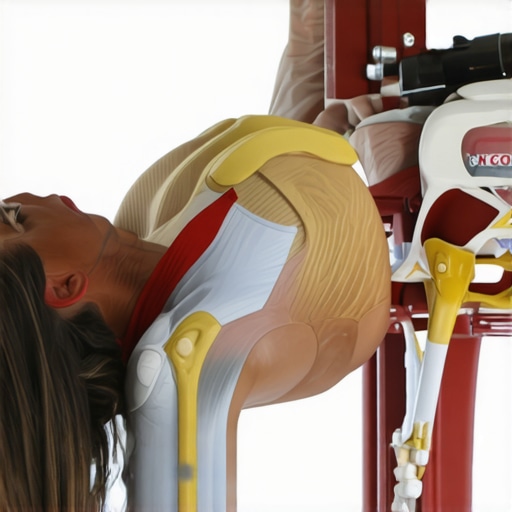
Lie face down on the floor, arms extended overhead, palms resting on the ground. Imagine setting up a bridge—your body should form a straight line from shoulders to toes. I recall the first time I tried this; my hips sagged, and I wobbled, but persistence was key. Proper setup ensures you’re hitting the thoracic region accurately to unlock mobility.
Engage Core and Glutes
As you prepare to lift into the bridge, tighten your abs and squeeze your glutes. Think of trying to lift your hips without overusing the lower back—like snapping a tight rubber band. I learned that engaging these muscles not only stabilizes my spine but also directs the movement to my mid-back, making the exercise more effective.
Lift with Precision
Gradually lift your hips off the ground, aiming for a gentle, controlled motion. Keep your neck in line with your spine, avoiding craning or straining. I once rushed this step, causing discomfort, but slow, deliberate lifts target the thoracic spine more directly—akin to carefully turning a rusty bolt to loosen it.
Focus on Thoracic Extension
At the top, hold briefly, imagining creating more space between your shoulder blades. It’s like opening a window in a stuffy room—allowing fresh mobility to flow in. I found that holding the position for about 2-3 seconds deeply enhances spinal extension, crucial for combating rounded shoulders.
Control the Descent
Lower your hips slowly back to the starting position. Think of gently lowering a tray without spilling its contents—smooth and controlled. This controlled descent prevents momentum from bypassing the target area and encourages better thoracic engagement. I often caught myself dropping quickly, which lessened the movement’s benefit, but I improved with mindful, slow lowering.
Repeat Strategically
Perform 8-12 repetitions, focusing on quality over quantity. Incorporate this into your daily routine; I do mine after long desk sessions. Consistency is vital; even a messy start will improve with regular practice, gradually increasing mobility, akin to watering a dry plant until it flourishes.
Integrate Breathing Techniques
Inhale deeply as you lift, filling your lungs and creating space in your thoracic region. Exhale slowly as you lower. Breathing amplifies movement, much like how exhaling during a stretch helps deepen it. This rhythm not only enhances effectiveness but also calms the nervous system.
Adjust as Needed and Progress
If lifting hips feels strained, modify by elevating your feet on a step, making the movement more accessible. Over time, aim to add resistance, such as a light weight on your hips or bands around your chest to maintain proper form. Remember, progress is gradual—think of it like tuning a guitar, fine-tuning the tension till harmony is achieved.
In my own journey, I found that integrating the thoracic bridge with daily movements—like adjusting my seated posture or reaching overhead—multiplied the benefits. Combine these steps and take charge of your mobility, transforming discomfort into freedom. For more techniques to optimize your posture, consider exploring expert mobility tips that can complement this exercise effectively.
Many believe that fixing posture is simply about standing straight or stretching more; however, this overlooks crucial nuances that differentiate quick fixes from lasting change. A common myth is that strengthening the back alone is sufficient, but in reality, improper emphasis on isolated exercises can reinforce faulty patterns, leading to further imbalance. Instead, integrating mobility work that addresses joint function and connective tissue health is essential, as highlighted by recent research showing that comprehensive approaches outperform isolated strengthening in reducing back pain (source: [ChiroMasterYZ](https://chiromasteryz.com/enhance-your-mobility-expert-tips-for-easier-movement-in-2025)). An advanced mistake many make is neglecting the role of the hips and pelvis, which directly influence spinal alignment. Without addressing these foundational elements, efforts at correction can become futile. Moreover, understanding the importance of sympathetic relaxation states—where muscles are not just stretched but released—is vital for sustainable improvements. This is often achieved through breath awareness and gentle mobilizations rather than aggressive stretching. Some practitioners mistakenly chase visible postural ‘corrections’ without considering tissue elasticity and neural feedback, risking short-term gains but long-term setbacks. One frequently overlooked factor is the body’s proprioception, or its sense of position. Enhancing proprioceptive awareness through slow, controlled movements can rewire faulty neural pathways, leading to more natural postural alignment over time. Additionally, engaging in daily, subtle adjustments—like posture checks and mindful movements—can prevent the recurrence of habitual slouching. I advise incorporating routines that combine mobility, stability, and neural retraining, such as simple routines found in [mobility mastery](https://chiromasteryz.com/mobility-mastery-simple-exercises-to-relieve-chronic-back-pain). Heading into advanced territory, ask yourself: Are you considering the interconnectedness of joints and tissues enough when addressing back pain? Many only focus on the symptomatic area, missing the holistic picture. Achieving lasting change requires a multi-layered approach that respects the body’s complexity. Remember, quick fixes may offer temporary relief, but understanding and addressing these hidden nuances guarantees more resilient, pain-free movement. Have you ever fallen into this trap? Let me know in the comments.Maintaining the progress you’ve made in improving posture and reducing back pain requires not just consistency but also the right tools and methods. One of my top recommendations is investing in a quality foam roller. I personally use a high-density foam roller with a textured surface, which helps enhance my myofascial release routines, especially targeting tight areas like the thoracic region and hips. The firm compression allows me to break down adhesions and maintain flexibility without causing bruising—a common concern with softer rollers. Additionally, I incorporate massage balls for pinpoint release of stubborn knots, particularly around your shoulder blades and pelvis. These small but powerful tools enable targeted self-treatment and can be used daily, making maintenance manageable even during busy schedules.
A digital posture tracker has also transformed how I stay aware of my alignment throughout the day. Devices like the Upright Go provide real-time feedback, helping me correct habits before they become ingrained. I use it during work sessions and find that it trains my neural pathways to recognize poor posture instinctively. Software suite compatibility means I can review data and adjust my routines accordingly.
For long-term results, consistent stretching and mobility exercises are non-negotiable. I recommend scheduling daily routines that include dynamic movements like the thoracic bridge, which I find excellent for sustaining spinal flexibility. To support this, a resistance band can add gentle assistance or resistance, deepening stretches or activation exercises. Resistance bands are cheap, portable, and highly versatile—ideal for maintaining gains across different environments.
Looking ahead, trends indicate an increasing move towards tech-integrated solutions, such as smart wearable devices that monitor muscle tension and provide corrective cues in real time. As technology advances, expect more personalized, data-driven approaches to posture correction tailored to individual biomechanics.
### How do I keep my posture improvements sustainable over time?
A key to long-term success is integrating these tools into a daily routine and periodic check-ins. Regular use of foam rollers and massage balls prevents the buildup of tension and adhesions, which can subtly undo months of progress. Meanwhile, wearable posture devices serve as constant companions, retraining your body to maintain proper alignment without conscious effort.
For those eager to deepen their understanding, exploring comprehensive strategies at [expert mobility tips](https://chiromasteryz.com/enhance-your-mobility-expert-tips-for-easier-movement-in-2025) can offer valuable insights. Remember, even the best tools won’t work if neglected; consistency is your best ally.
I encourage you to try incorporating a resistance band into your daily mobility routine. For example, use it during thoracic rotations or while performing gentle back extensions. This small addition can dramatically reinforce your motor patterns and ensure your posture remains resilient as you scale your activities or face new challenges. Take control of your body’s health, and keep those gains lasting!Throughout my journey to better posture, I uncovered a vital insight: lasting change is rooted in understanding your body’s unique mechanics. Many exercises promise quick fixes, but true transformation demands patience and tailored strategies. I learned to listen to my body’s signals, adjusting movements to prevent strain and reinforce progress. This personalized approach not only accelerated my recovery but also deepened my connection with my body’s needs, a lesson I wish I had embraced sooner. Remember, your path to improved mobility is as unique as your fingerprint—honor it by tuning into what works best for you. For advanced techniques and holistic strategies, visit this resource on expert mobility tips to sustain your gains effectively.