
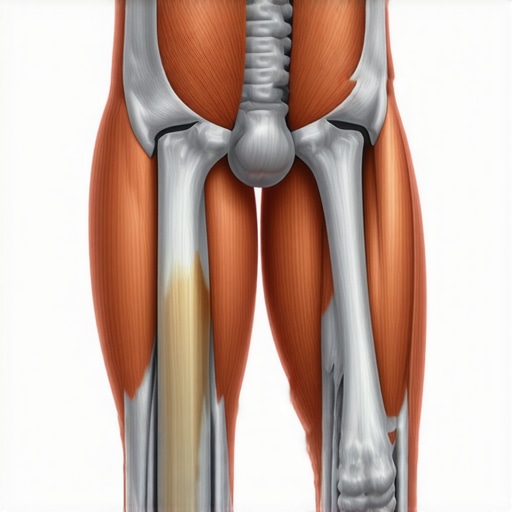
I remember the moment it hit me—after weeks of struggling through nagging low back pain that just wouldn’t quit, I finally had a lightbulb moment. One morning, as I tried to stand up from my chair, I felt a strange tightness in my ankles. It was subtle at first, almost dismissible. But then I realized—this discomfort wasn’t just in my feet; it was radiating all the way up to my lower back. Something as seemingly insignificant as my ankles could be the real reason my back hurt so much. That realization changed everything for me—and it can do the same for you.
Why Focusing on Your Ankles Could Be a Game Changer
Here’s the deal: our ankles are designed to be mobile and flexible, acting as the foundation for our entire posture and movement. When they are stiff or restricted, it throws off the alignment of the hips, pelvis, and spine—leading to that persistent low back pain we often blame on our disks or muscles. Early in my journey, I made the mistake of only targeting my back and hips in exercises, ignoring my ankles altogether. Turns out, that was a huge mistake. Improving ankle mobility made a profound difference in how I felt—and it can do the same for you. Recent research supports this, indicating that ankle restrictions are linked to lower limb and back issues (source: Enhance Flexibility: Top Mobility Strategies).
What’s Stopping You From Moving Freely?
It’s time to ask yourself—have you been neglecting your ankles? If so, you might be unknowingly compounding your back problems. The good news? Simple mobilization exercises can unlock your ankles and set off a chain reaction of relief through your entire lower body. Ready to get started? Keep reading, because I’ll guide you through the exact steps to take control of your mobility—and say goodbye to that stubborn back pain.
But first, let’s tackle some common doubts—like whether focusing on your ankles is really effective or just another hype. I’ll share my personal slip-up early on that kept me stuck for longer than I wanted—trust me, it’s a mistake you’ll want to avoid.
,
Start with Gentle Mobilization
My first successful step was simply moving my ankles through their full range of motion daily. I sat on the floor, placed my foot on a small towel, and drew circles with my toes, gradually increasing the size. This mimicked the natural rolling motion our ankles need to stay flexible. I did this for two minutes each side, noticing subtle improvements over a week. Such gentle mobilizations are great to kickstart your journey and prepare your ankles for more targeted exercises.
Integrate Specific Ankle Stretches into Your Routine
Next, I focused on stretches targeting tight areas. I performed calf stretches against a wall, pushing my heel to the ground and leaning forward to stretch the muscle behind my shin. Consistently doing this for 30 seconds per side helped loosen stiff calves, which often limit ankle mobility. Enhancing flexibility is essential because stiff calves can act like a heavy anchor, preventing your ankle from moving freely, which compromises your posture and may contribute to back pain.
Use Functional Mobility Drills
I applied mobility through functional exercises like ankle dorsiflexion walls taps. Standing close to a wall, I kept my heel flat while bending my knee toward the wall, trying to touch my toes without lifting my heel. Doing 3 sets of 10 reps on each side helped improve the joint’s capacity to move naturally during daily activities. These drills strengthen the joint’s ability to support your weight evenly—akin to oiling hinges on a door, preventing squeaks and stiffness.
Practice Weight-Bearing Movements
To integrate mobility into real-life movements, I incorporated squats and lunges. I paid close attention to my ankle alignment, ensuring my knees tracked over my toes without collapsing inward. Initially, I felt wobbling and tightness, which was messy, but persistent practice allowed my ankles to stabilize. These weight-bearing exercises train your mobility in the context of standing and moving—crucial for maintaining proper posture and reducing back strain.
Establish Daily Mini-Check-ins
Every morning, I set a 2-minute routine: standing heel raises, toe walks, and gentle ankle rolls. These short, consistent checks acted like maintenance for a vehicle—keeping everything running smoothly. If I felt stiffness during the day, I paused and performed a quick stretch or mobilization. This habit created a feedback loop, warning me of tension before it traveled upward to my back.
Monitor Progress and Adjust Accordingly
I kept a simple journal, noting which exercises felt easier and where I still experienced tightness. As my ankles improved, I increased repetitions or added resistance by standing on uneven surfaces—like a wobble board—to challenge stability. You can do the same by modifying your routines, ensuring continuous improvement and preventing stagnation.
By focusing on ankle mobility with deliberate steps, you’re effectively reinforcing your foundation. Just as a shaky tower risks toppling, stiff ankles undermine your entire posture, leading to persistent back pain. Committing to these exercises, integrated with mindful awareness, can transform your movement quality—making pain a thing of the past. Want more detailed routines? Check out simple exercises to relieve chronic back pain and unlock your full movement potential.
Many assume that quick fixes like popping your back or rigidly stretching will solve chronic back issues, but this mindset often overlooks the complex interplay of mobility, posture, and individual nuances. A common myth is that adjustments should be aggressive or forceful to ‘crack’ the spine into alignment. However, research suggests that gentle, purposeful movements promote healthier adaptations—aggressive manipulations can sometimes lead to instability or compensatory patterns if not properly calibrated (Posture correction secrets). Another misconception is viewing posture as a static ideal; in reality, our posture is dynamic and context-dependent. Rigidly fixing oneself into a ‘perfect’ posture may ironically cause more tension and discomfort. Instead, focusing on *mobility and habitual movement patterns* yields better long-term results.
A subtle trap many fall into involves neglecting the feedback from their own bodies. For example, some individuals fixate solely on alignment without considering how specific movements or adjustments feel—this can lead to overcorrection, muscle imbalances, or hypermobility, which exacerbates pain. Listening to your body’s responses helps tailor adjustments that work uniquely for you, rather than relying on generic protocols.
For advanced practitioners, it’s important to recognize that certain compensatory habits—like overusing lumbar support or neglecting thoracic mobility—serve as hidden culprits. These habits can mask underlying restrictions and lead to a cycle of dependency on external fixes. Incorporating targeted mobility exercises, such as those outlined in top mobility strategies, ensures a more sustainable approach.
And here’s a crucial nuance often missed: adjustments alone won’t resolve persistent issues if overall movement quality is poor. You might get temporary relief but return to the same patterns if underlying habits aren’t addressed. That’s why a comprehensive approach—combining small daily movements, mindful posture, and correcting flawed habits—is essential. For example, incorporating simple daily routines found in daily adjustments can make a profound difference.
In summary, dismissing the complexity of individual nuances and relying on cookie-cutter solutions can hinder progress. The secret lies in understanding your unique biomechanics, avoiding the trap of overcorrection, and fostering adaptable mobility habits. Engage with these insights and experiment with personalized adjustments—because what works for one person might be entirely different for another. Curious to learn more? Explore expert tips on mastering your mobility.
Have you ever fallen into this trap? Let me know in the comments and share your experience with adjustments that helped or didn’t work for you.Maintaining optimal mobility and posture over time requires more than just sporadic exercises; it demands the right tools and a strategic approach. Personally, I rely on a combination of quality mobility aids and software that help me track progress and address areas needing attention. For example, I use an adjustable Foam Roller to target my fascia and muscle tightness effectively. Its dense foam surface allows for precise pressure application—helping to break down adhesions and improve circulation, which is crucial for long-term spinal health. I’ve found that integrating foam rolling into my daily routine significantly reduces stiffness and supports ongoing mobility maintenance.
Another indispensable tool is a Balance Disc, which I stand on during work breaks. Its unstable surface forces me to engage my core and stabilize my ankles naturally, reinforcing alignment and preventing postural fatigue. This practice is backed by research indicating that unstable surface training improves proprioception and reduces back discomfort (source here).
For tracking progress and staying motivated, I use specialized apps that monitor movement patterns, set reminders for mobility routines, and log any discomfort or improvements. This data helps me adjust my routines proactively and avoid stagnation—something critical for sustaining gains over the long term.
Prediction suggests that integrating smart tools with AI-driven feedback will become the norm in mobility and posture management. Future innovations might include wearable sensors that detect misalignments and suggest corrective movements in real time, allowing personalized ongoing adjustments without needing constant manual oversight.
**How do I maintain my mobility practices over time?** Consistency is key. I schedule daily check-ins through my app and incorporate simple exercises from mobility mastery routines. One advanced tip I’ve recently adopted is using a Wobble Board during my standing desk sessions, which challenges my stabilizer muscles and enhances core engagement—crucial for long-term back health. Implementing this small change has made a noticeable difference in my posture endurance throughout the day.
In conclusion, investing in quality tools like foam rollers and balance aids, combined with digital tracking, can make a measurable difference in your long-term back health. Don’t just take my word for it—try integrating a foam rolling session with a stability challenge today and feel the difference for yourself. Your future self will thank you for it.
The Hidden Lessons That Transformed My Approach to Back Pain
One of the most eye-opening insights I discovered was that my ankle mobility directly influenced my lower back health. I used to think persistent back pain was solely about my muscles or discs, but understanding the role of ankles revealed a whole new layer of complexity. The hardest lesson I learned was that pushing through discomfort without addressing foundational mobility often leads to endless cycles of pain—true progress comes from gentle, consistent work at the root.
Another key realization was that neglecting small daily routines can sabotage long-term healing. Incorporating brief ankle mobilizations into my routine created ripple effects, improving posture and reducing strain. Finally, I found that patience and listening to my body’s feedback are paramount—overcorrecting or rushing exercises can be counterproductive. These lessons underscore that sustainable back relief hinges on paying attention to and nurturing your body’s smallest joints.
Tools That Elevated My Path to Better Movement
For me, the foam roller became an essential companion in relieving fascia tightness and enhancing overall mobility. Its ability to target deep tissue areas made a tangible difference. I also rely on a balance disc during work breaks—challenging my stabilizers naturally improved ankle and core strength. A simple yet powerful resource I trust is the top mobility strategies guide, which consolidates effective exercises tailored for lasting change. Lastly, digital tracking apps help me monitor progress and stay motivated, making sure I remain consistent in my efforts.
Your Next Step—Empower Your Movement and Feel the Difference
The journey toward pain-free living is unique for everyone, but the key is to start small and stay committed. Remember, your ankles are more than just supports—they’re your foundation for lasting back health. By embracing mindful mobility practices and trusting effective tools, you can break free from persistent pain and move with confidence. Don’t wait for discomfort to become a lifelong burden—take action today and reclaim your vitality!
What small mobility change have you tried that made a noticeable difference? Share below—I’d love to hear about your experience!
,