
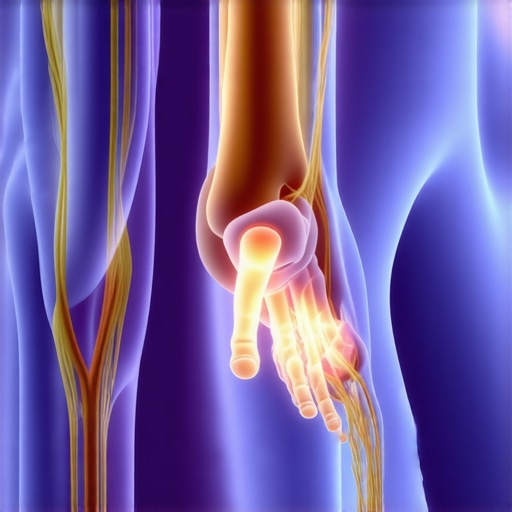
Have you ever experienced a sudden, sharp cramp in your toes during a quiet moment, perhaps when you’re sitting at your desk or even lying in bed? At first, I brushed it off as just a odd twitch or minor annoyance, but over time, I noticed a pattern. Those toe cramps seemed to come and go unpredictably, and I started to wonder if they were telling me something deeper. That’s when I had my lightbulb moment: these seemingly innocent spasms could actually be a sign that my sciatic nerve was under pressure, affecting more than just my back.
How Toe Cramping Could Be a Red Flag for Your Nerve Health
I learned that the sciatic nerve, the longest in the human body, runs from your lower back all the way down through your hips and legs. When this nerve gets compressed or irritated, it doesn’t just cause back pain—it can also manifest as tingling, numbness, or even muscle cramps in areas far from the original source. For me, those toe cramps were a wake-up call, a subtle warning that my posture and spinal health needed attention.
You might be surprised to hear that many people dismiss these cramps as minor or transient, not realizing they could be linked to nerve pressure. Failing to address this early can lead to chronic discomfort and more serious issues down the line. Personally, I made the mistake of ignoring the warning signs, thinking they would go away on their own. That was a mistake I don’t want you to make. Recognizing the connection between toe cramps and nerve health is crucial.
If you’re wondering whether your cramps are just a dietary issue or a sign of something more serious, you’re not alone. Many folks, myself included initially, overlook the significance of these seemingly small symptoms. I recommend checking your posture regularly and considering how daily habits might be affecting your spinal alignment. Improving your posture and spinal health can make a world of difference, and I’ve found some effective strategies that I wish I had known earlier. For detailed tips, you can explore [effective postural corrections](https://chiromasteryz.com/unlock-better-back-health-effective-posture-tips-for-2025).
And, of course, if you’re experiencing persistent or worsening symptoms, consulting with a healthcare professional is always the wise move. Addressing nerve pressure early can prevent discomfort from becoming a chronic issue. Now, let’s get into the practical steps you can take to relieve pressure and regain your mobility—because your body deserves better than to be ignored.
Align Your Spine with Daily Posture Checks
Start by assessing your sitting and standing habits. Set a timer every hour to evaluate your posture — slouching or rounded shoulders can increase spinal pressure, affecting your sciatic nerve. I once caught myself slouching during a long workday, which led to a sharp toe cramp that night. After correcting my sitting posture by sitting back fully in my chair and keeping my feet flat on the ground, I felt immediate relief. To optimize your posture, consider using visual cues like mirrors or apps that prompt you to adjust your alignment—more info at posture correction tips.
Integrate Small Mobility Exercises Throughout Your Day
Introduce gentle stretches and mobility movements that target the hips and lower back. For example, perform hip circles, pelvic tilts, or gentle spinal twists. I incorporate these during brief breaks, like doing a quick hip mobility drill after every 30 minutes at my desk. These exercises help decompress compressed nerves by promoting better spinal and pelvic alignment, reducing pressure that causes toe cramps linked to sciatic irritation.
Adjust Your Daily Routine for Better Spinal Alignment
Review your typical day-to-day postures—are you leaning forward at your desk or sleeping in a curled-up position? Making small adjustments, such as raising your computer monitor to eye level or switching to a supportive mattress, can significantly reduce nerve compression. I learned that elevating my laptop’s height with a stand decreased neck and back strain, which indirectly alleviated the toe cramps I was experiencing. For practical tips, visit routine adjustments.
Use Targeted Stretching to Loosen Tight Muscles
Focus on stretches that release tension in the lower back, hips, and hamstrings — tight muscles can pull the pelvis out of proper alignment, pinching the sciatic nerve. A helpful stretch I applied was the thoracic bridge, which improves spinal mobility. Incorporating these into my daily routine led to improved nerve mobility and fewer toe cramps. Remember, gentle and consistent stretching yields the best results. Explore more at flexibility strategies.
Practice Proper Lifting and Movements
Incorrect lifting techniques can aggravate nerve pressure. Always bend your hips and knees instead of your waist, keeping the load close to your body. For instance, when I detay lifted a heavy box, I made sure to squat and lift with my legs rather than arching my back. This reduces strain on the lower spine and sciatica, preventing toe cramping episodes. For guidance, check movement techniques.
Implement Regular Self-Checks and Adjustments
Develop a routine of quick self-assessments—whether through the wall test or simple visual cues—to ensure your body remains in proper alignment. During a particularly busy week, I set alarms to do these checks; catching misalignments early prevented recurring toe cramps. Small ongoing adjustments can prevent progressive nerve compression, maintaining better mobility and nerve health.
Many people believe that maintaining perfect posture means keeping a completely straight spine at all times, but the reality is more nuanced. In fact, insisting on rigid alignment can sometimes lead to tension and fatigue, further aggravating discomfort. Experts like Dr. Robin McKenzie stress the importance of functional movement over rigid postural perfection, emphasizing dynamic postural checks throughout the day rather than static perfection. An often-overlooked nuance is that not all postural corrections suit everyone; individual anatomy, movement patterns, and daily routines influence what works best. A common trap is thinking that corrective exercises alone will solve chronic issues without addressing underlying habits or movement habits, which can cause the problem to persist or worsen. For instance, engaging in stretching routines without understanding if muscles are tight from overuse or compensation can lead to overstretching healthy tissues and creating new imbalances. Advanced mistakes include neglecting proprioception—the body’s ability to sense its position—which is crucial for effective adjustments. Visual cues or mirror feedback can help refine this awareness, but many overlook their importance in daily routines. Moreover, some believe that posture corrections can be achieved with quick fixes or rigid devices, but according to recent studies published in the Journal of Physical Therapy Science, sustainable improvements arise from consistent, mindful movement practices and personalized adjustments rather than generic solutions. Remember, your body is a dynamic system; static postural ideals might not always serve your unique needs. Instead, focus on developing a flexible, awareness-based approach that adapts to your daily demands. Incorporate gentle mobility exercises and self-awareness checks, like those discussed in our mobility mastery guide, to foster healthier movement habits over time. Always consider consulting a professional who understands your specific background before making major changes. This personalized approach ensures you avoid common pitfalls and develop habits that promote lasting well-being. So, have you ever fallen into this trap? Let me know in the comments.Maintaining good posture and back health over the long term requires more than just awareness; it demands practical tools and consistent routines. One of my go-to methods is using ergonomic assessments and supportive equipment tailored to my daily habits. For example, I highly recommend the adjustable lumbar support pillow, which I personally find indispensable during long sitting sessions. It molds to my lumbar curve, preventing slouching and reducing sciatic nerve pressure, which is often the root of toe cramps and discomfort. To optimize your workspace, consider investing in an ergonomic chair with adjustable height and tilt features, enabling you to align your pelvis and spine properly. I personally use the Herman Miller Aeron chair, which allows precise adjustments and has consistently improved my posture during extended work hours. Additionally, incorporating a sit-stand desk has transformed my daily routine. By alternating between sitting and standing, I prevent stiffness, promote better spinal alignment, and reduce nerve compression. Experts predict that the trend towards dynamic workstations will become standard in future workplaces, emphasizing movement over static posture. Regular adjustments, like switching from sitting to standing every 30 minutes, empower your body’s natural healing processes, and prevent chronic issues. How do I maintain my posture over time? I integrate daily mobility tools like the [mobility mastery](https://chiromasteryz.com/mobility-mastery-simple-exercises-to-relieve-chronic-back-pain) exercises, which are simple yet effective in decompressing nerves and improving flexibility. For instance, I perform pelvic tilts and spinal twists using a foam roller, which helps release tension and reinforce proper alignment. These small but consistent routines complement my ergonomic setup, ensuring that my spine stays in optimal condition. For sustained progress, I also schedule monthly professional assessments with a chiropractor or physical therapist. They can identify subtle misalignments and provide personalized adjustments before minor issues turn into chronic pain. An often overlooked aspect is tracking progress; I keep a journal of discomfort levels and postural habits. This data-driven approach allows me to see what tools or routines yield the best results. In the future, wearable posture correction devices like smart back braces or real-time feedback sensors may become mainstream, offering continuous monitoring and correction. Currently, I recommend trying an advanced tip: set a timer to perform the ‘wall drill’ for spinal mobility after every couple of hours of sitting. It’s a quick move that realigns your spine and resets your posture. Give it a try today, and notice how even short, consistent efforts can lead to lasting improvements. Remember, the key lies in integrating the right tools with mindful habits for comprehensive back health—your body will thank you.
What I Wish I Knew About Body Signals Before It Was Too Late
One of the most profound lessons I learned was to trust my body’s subtle cues. That sharp toe cramp? It wasn’t just a fleeting nuisance but a whisper from my nervous system, alerting me to deeper issues in my posture and spinal health. Recognizing these signals early helped me prevent more severe problems, showing that paying close attention can save you months or even years of discomfort.
Another insight was how interconnected our daily habits are with our back and nerve health. Small adjustments, like how I sit, stand, and move during the day, can make a significant difference in alleviating nerve pressure. Embracing mindful movement and proactive postural checks transformed my approach from reactive to preventative, a lesson I wish I had adopted sooner.
Lastly, I discovered the power of consistency. Quick fixes and sporadic stretches won’t lead to lasting relief. It’s the daily routines—incorporating gentle mobility exercises and regular self-assessments—that build resilience over time. This sustained approach, rooted in awareness and small habits, became the cornerstone of my back health journey.
My Essential Toolkit for Better Posture and Nerve Health
To support my spinal health, I rely on resources that blend expert insights with practical tools. The effective posture tips guide helped me fine-tune everyday habits, ensuring I maintain alignment even during busy days. Additionally, mobility exercises have become an integral part of my routine, gently decompressing nerves and improving flexibility. I also trust professionally tailored assessments, like those from chiropractors, to catch subtle misalignments early. These tools and sources consistently empower me to stay ahead of discomfort and optimize my body’s function.
You Are Capable of Change—Start Today
Remember, the journey to better back health and nerve resilience is uniquely yours. Small, deliberate actions—regular posture checks, gentle stretches, ergonomic adjustments—compound into powerful results. Trust in the process, and don’t hesitate to seek guidance or share your progress. Your body has an incredible capacity to heal and adapt when given the right support. So, what tiny change will you commit to today to improve your spinal health and alleviate nerve pressure? I’d love to hear your plans below—your story might inspire someone else to take that first step.