
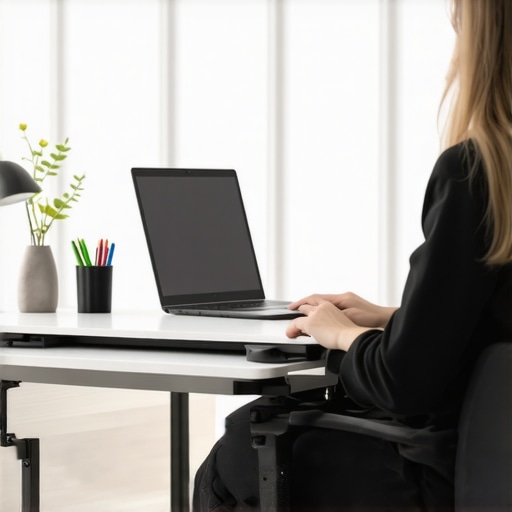
I remember the first time I tried to stand at my desk for more than a few minutes. My back immediately groaned in protest, my legs felt shaky, and I was met with an uncomfortable sense of imbalance. It was a frustrating realization—despite all the hype about standing desks being the ultimate solution to back pain and posture woes, my body was clearly not on the same page. That lightbulb moment made me question: How do people make this transition without suffering more? Today, I want to share my honest experience and how I finally cracked the code to stand comfortably and safely during my workday.
Why Transitioning to a Standing Desk Can Be a Game Changer
Many of us spend hours glued to our desks, often slumping or hunching over screens. If you’ve ever faced persistent back aches, neck tension, or just that sluggish, heavy feeling after long sitting periods, you know what I’m talking about. The idea behind a standing desk is simple—you’ll supposedly improve your posture, increase energy, and reduce discomfort. But, the truth is, jumping straight into standing all day often backfires.
When I first bought my standing desk, I thought I could just swap my chair for a tall surface and be good to go. Spoiler alert: I was wrong. My initial mistake was ignoring how crucial gradual adaptation is. Just like any physical change, suddenly standing for hours without preparation leads to soreness, fatigue, and even worse posture over time. Experts highlight that a cautious approach prevents future injuries and promotes sustainable habits—something I wish I had learned sooner. In my case, I didn’t consider how my body needed time to adapt to new movement patterns and the importance of proper ergonomic setup.
If your own experience resembles mine—feeling stiff, sore, or overwhelmed at the thought of standing all day—you’re not alone. Many people face this challenge and give up on standing desks entirely. This post promises to guide you through a practical, step-by-step plan inspired by personal trial, error, and expert advice to make your transition smoother and more comfortable.
Is a Standing Desk Actually Worth the Hype?
One common concern I had early on was whether the effort was truly justified. After all, switching to standing seemed like a fad endorsed by influencers with ideal posture, not necessarily a proven cure. My early mistake, which I later realized was typical, was dismissing the importance of proper guidance. I started standing without ensuring my desk was at the correct height or that I had supportive footwear. This led to new pains and frustrations.
Research from health professionals shows that improper setup can worsen discomfort instead of alleviating it (source: Posture Correction Secrets). That’s why I now emphasize the importance of slow progress, ergonomic adjustments, and listening to your body in this journey. Are you hesitant because you’ve experienced similar setbacks? If so, keep reading—I’ll walk you through my proven strategies, so you don’t have to repeat my mistakes. Together, we’ll turn your standing desk transition into a sustainable, pain-free habit.
Start Slow and Build Up
My first attempt to stand all day felt disastrous—I was stiff and sore after just 20 minutes. So, I set a timer to remind myself to switch between sitting and standing every 30 minutes. This gradual approach allowed my muscles to adapt without overwhelming them. A good rule of thumb is to add 10-15 minutes of standing each day, watching for signs of fatigue or discomfort. During my second week, I noticed my back pain decreased significantly, as my body adjusted smoothly without sudden strain.
Set Up Your Workspace Correctly
An ergonomic setup is essential. I used a simple analogy: think of your workspace as a cockpit—everything should be within arm’s reach to prevent overreaching, which stresses your shoulders and back. Adjust your desk height so that your elbows are at 90 degrees, and your monitor should be at eye level to keep your neck straight. I experimented with different heights and found that a monitor riser helped my neck stay relaxed. Proper setup prevents common issues like slouching and forward head posture, leading to better comfort over time. For detailed adjustment tips, check out posture correction secrets.
Engage in Specific Mobility Exercises
Your body needs movement to maintain flexibility, especially when transitioning to standing. I incorporated quick, targeted exercises—like hip circles and gentle back bends—between standing intervals. These are akin to oiling a squeaky hinge; they keep your joints moving smoothly and prevent stiffness. One effective move I tried was the pelvic tilt, which helps reset spinal alignment, reducing lower back tension. Performing these exercises consistently made standing less tiring and more natural. You can explore simple routines at mobility mastery.
Pay Attention to Your Body’s Signals
Timing and awareness are key. I kept a mental note of when I started feeling strained, and I adjusted my schedule accordingly. For instance, if I noticed my shoulders creeping up or my lower back aching, I would sit down briefly or stretch. Think of your posture as a delicate plant—too much sun or water can be harmful. Regularly checking in with your body prevents overexertion. If persistent discomfort occurs, consulting a professional can make a difference. Learn more about effective posture adjustments at posture adjustments.
Incorporate Routine Spinal Alignments
Establishing daily routines can boost long-term comfort. I added a few spinal alignment exercises into my morning—like gentle twists and shoulder rolls—that act as a reset button for my back. A consistent routine is like tuning a musical instrument; it maintains harmony and prevents breakdowns. These adjustments help keep your spine in its natural alignment, reducing pain and fatigue. For detailed routines, visit daily spinal routines.
Remember to Prioritize Footwear and Floor Comfort
My experience taught me that supportive footwear and cushioned flooring made an enormous difference. I swapped out my casual shoes for supportive sneakers, which provided stability and shock absorption. Imagine standing on a trampoline instead of a concrete slab—that’s the difference proper footwear can make. If your standing desk is on hard flooring, consider anti-fatigue mats, which distribute pressure evenly and reduce fatigue. Small investments in these areas greatly enhance your ability to stand comfortably for longer periods.
When it comes to improving mobility, back pain, and posture, many of us fall prey to oversimplified advice that neglects the complexities of our bodies. For example, the popular belief that static stretching before activity is always beneficial is actually misleading. Research indicates that passive stretching may temporarily weaken muscles and reduce stability, which can be counterproductive, especially for those recovering from injury or managing chronic pain (source: mobility strategies). Instead, dynamic warm-ups that engage muscles and prepare joints are often more effective for movement efficiency and injury prevention.
Many assume that perfect posture is about holding a specific ‘correct’ position constantly. However, this creates a myth of rigidity, ignoring that our bodies are designed for movement and adaptability. Instead, focusing on *patterns of regular variation*—alternating positions and movements—has been shown to promote better long-term spinal health. Continuous maintenance of a single ideal posture can lead to muscle imbalances and stiffness, especially if one doesn’t incorporate active mobility routines (see master your mobility). Takeaway: flexibility and strength thrive on variability, not rigidity.
A common mistake that surprises many is the oversimplified notion that only heavy adjustments or intense therapy can resolve back pain or dysfunctional posture. In reality, subtle, consistent modifications often produce the most sustainable improvements. Small daily routines like gentle spinal alignments or mindful breathing into the diaphragm can reset muscular tension and improve posture without the need for aggressive interventions. For instance, routine spinal alignments, such as those outlined in daily routines, can prevent chronic issues from developing.
**Does focusing solely on posture correction court disaster?** Absolutely. Many practitioners recommend a nuanced approach that emphasizes mobility, strength, and habitual movement patterns over the classic static posture fixation. This is especially important because overly rigid postures can foster muscle tightness, limit circulation, and impair neural communication. By integrating movement into your daily life, you support your body’s natural ability to adapt and heal.
Now, let’s consider an often-overlooked nuance: the role of *neuromuscular control* in posture and pain management. Instead of just stretching or strengthening in isolation, improving your body’s ability to coordinate muscle activation leads to more durable results. Conditioning the nervous system to recognize and produce optimal movement patterns helps prevent compensatory habits that cause strain. For example, training deeper core engagement or proprioception exercises can be more impactful than just trying to ‘fix’ a specific postural defect. For detailed techniques, explore how diaphragmatic breathing influences spine health.
**Beware the trap of multitarget approaches without understanding your body’s unique needs.** Jumping into complex mobility routines or adjustments without proper assessment can cause more harm than good. Consulting a professional to personalize your plan ensures that you’re not just chasing generic advice, but addressing the specific nuances of your condition. You can schedule a consultation through contact us.
Have you ever fallen into this trap? Let me know in the comments. Recognizing these misconceptions is the first step toward meaningful progress in your mobility and posture journey.Maintaining the improvements you’ve made in mobility, posture, and back health requires the right tools, consistent routines, and strategic adjustments. One of my favorite investments is a high-quality foam roller, which I use daily to release tension in my fascia and improve circulation. Unlike generic foam rollers, I opt for those with variable firmness and textured surfaces, tailored to target specific muscle groups like the thoracic spine and hip flexors. This precise self-myofascial release allows me to prevent stiffness and maintain flexibility without frequent professional visits. Additionally, I rely on a digital posture app that prompts me to check and correct my alignment throughout the day, ensuring sustained ergonomics even when I’m not consciously thinking about it. These tools integrate seamlessly into my daily routine, supporting long-term results and reducing the risk of setbacks.
The future of posture management looks promising, with smart wearables and AI-driven feedback becoming more accessible. Devices that analyze body movements and provide real-time suggestions are already showing significant benefits, empowering users to take control of their spinal health proactively. I predict this trend will continue to evolve, making personalized insights more accurate and integrated with daily habits.
**How do I keep my posture and back health in check over time?** Incorporating routine spinal alignment exercises and using targeted mobility tools helps cement progress and prevents regress. For example, regular activation of the deep core muscles, combined with dynamic stretches, builds resilience against daily stresses. I recommend trying the pelvic tilt sequence from my recommended routines—I promise, it’s a game-changer for maintaining lumbar support and alignment. And remember, consistency is key; a simple habit like setting a daily reminder to perform these quick movements can yield long-term benefits. For detailed routines, check out daily spinal routines.
Throughout my experience transitioning to a standing desk, I discovered that patience and tailored strategies are key to lasting results. One of the most eye-opening lessons was the importance of embracing incremental progress. Rushing into full-time standing often led to setbacks, but by gradually increasing my standing periods, I allowed my muscles and joints to adapt comfortably, preventing injury and soreness.
Another insight was recognizing the crucial role of ergonomic harmony. It wasn’t enough to stand; I had to set up my workspace thoughtfully—monitor at eye level, elbows at 90 degrees, supportive footwear, and cushioned flooring. These adjustments transformed standing from a source of discomfort into a sustainable habit, reinforcing my belief that small environment tweaks can make a big difference.
Most significantly, I learned that movement is medicine. Incorporating mobility exercises—hip circles, pelvic tilts, gentle back bends—between standing intervals kept my body fluid and flexible. Listening attentively to signals of fatigue or strain became my compass, guiding me to modify routines proactively rather than reactively. This dynamic awareness turned the journey into a process of continuous improvement, not just a temporary fix.
Reflecting on these personal revelations, I realize that enduring back health stems from a blend of patience, ergonomic awareness, and active mobility. It’s a reminder that our bodies thrive on intelligent, consistent care—far more than quick fixes or abrupt changes. If you’re embarking on your own standing desk adventure, remember: the real progress is in the small, mindful steps taken day by day.