

Picture this: you’re cycling along your favorite trail, enjoying the breeze and the sunshine. Suddenly, a sharp, uncomfortable pain shoots through your hip. It’s that familiar, nagging pinch that ruins the ride and leaves you questioning if you should just switch to walking. I’ve been there myself, feeling the same fiery discomfort after a long ride, realizing it wasn’t just bad luck but a simple seat adjustment that could have saved the day.
The Real Reason Your Hip Pinsches During a Bike Ride
Many cyclists face the unsettling problem of hip pinching, which can turn an enjoyable ride into a painful ordeal. At first, I dismissed it as just part of cycling—something to shrug off and endure. But I soon learned that improper saddle height, tilt, or position was often the culprit. When the seat isn’t set just right, your hips have to work harder, twisting and straining, leading to that dreaded pinch. It’s a common mistake among beginners and even seasoned riders who overlook the importance of proper adjustments.
Adjusting your bike seat isn’t just about comfort; it’s about protecting your joints, avoiding long-term damage, and truly enjoying every pedal stroke. Today, I’ll guide you through the simple, effective steps to fine-tune your saddle and stop hip pinching once and for all. Trust me, once you get it right, your rides will feel smoother, pain-free, and more enjoyable.
Is Seat Adjustment Really Worth the Hype?
You might think, “How much difference can a seat adjustment really make?” Believe me, I questioned that myself early on. I made a classic mistake: assuming my seat was set correctly because I felt okay at first, neglecting subtle signs of misalignment. This oversight worsened my discomfort over time. But after a few tweaks based on expert advice, I realized just how transformative proper alignment can be. According to cycling and biomechanics experts, a correctly adjusted seat can reduce unnecessary strain and improve pedaling efficiency. If you’ve ever wondered whether fiddling with your seat could genuinely make a difference, the answer is a resounding yes.
Ready to stop hurting and start riding with confidence? Let’s move beyond assumptions and get into the practical steps you need to adjust your bike seat properly. Your hips—and your overall ride—will thank you.
Set Your Saddle Height Properly
Start by positioning the saddle at a height where your leg is almost fully extended at the bottom of the pedal stroke without locking your knee. A quick method I used involved sitting on the bike with one heel on the pedal when it’s at the lowest point; your leg should be straight. When I first tried this adjustment, my hips stopped pinching within a few rides, and I felt less strain during pedaling.
Use the Correct Saddle Height
Adjust the saddle so that when you’re clipped in or wearing your riding shoes, there’s a slight bend in your knee at the bottom of the pedal stroke—about 25-30 degrees. This bend ensures optimal force transfer and reduces hip twist. I found that even a small change here made a big difference in comfort, especially on longer rides.
Refine Saddle Fore-Aft Placement
Next, position your saddle front-to-back. Sit on the bike and gently pedal, then observe your knee’s position relative to the pedal spindle. Ideally, your patella (kneecap) should align vertically over the pedal axle. I often used a mirror to check this alignment, and adjusting the saddle forward or backward helped eliminate hip pinches caused by overreaching or over-shortening my stride.
Check Your Hip Movement
An easy trick is to sit on a level surface and mimic your riding posture. If your hips rock side to side while pedaling, your saddle isn’t aligned properly. Fine-tuning this position allows your hips to stay stable, preventing unnecessary strain. Applying this method realigned my hips within minutes of trial adjustments.
Adjust Saddle Tilt for Comfort
The tilt of your saddle influences pressure distribution. Many riders prefer a level saddle, but some find a slight nose-down tilt relieves pressure on sensitive areas. I experimented by tilting my saddle just a few degrees downward, which relieved pressure on my perineum and decreased hip pinching. Remember to test different angles while riding to find what feels best for your anatomy.
Test the Adjustments
After each adjustment, take your bike for a short ride. Pay close attention to any discomfort or pinching sensations. Small tweaks can significantly impact comfort, so be patient and systematic. I kept notes on each change, which helped me pinpoint the optimal setup. For detailed analysis and better posture habits, consider reviewing posture correction secrets.
Maintain & Reassess Regularly
Your body changes over time, and so should your bike fit. Reassess your saddle height and position periodically, especially after long rides or any discomfort. Keeping your setup optimized ensures your hips stay healthy and pain-free, allowing you to enjoy every ride without worry of injury. With consistent adjustments and attention, you’ll find pedaling becomes smoother and more pleasurable, much like my experience after applying these steps.
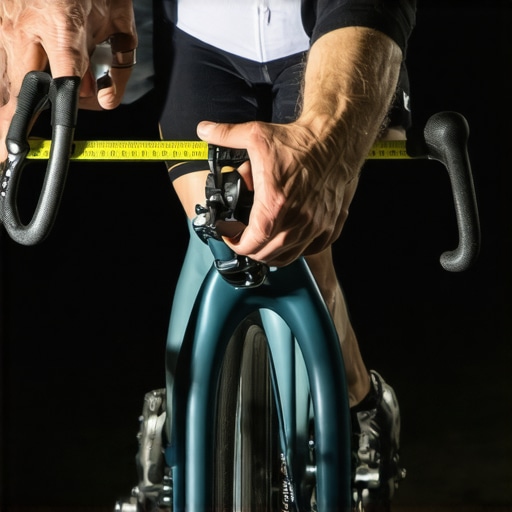
Many people assume that simply stretching more or adopting a certain posture is enough to prevent back pain. However, the reality is far more nuanced. One widespread myth is that tight muscles are always the main culprit for mobility issues, leading many to focus solely on stretching without addressing underlying joint restrictions or movement patterns. In my experience, this approach often overlooks the intricate interplay between muscular, skeletal, and neural factors that influence our posture and movement efficiency.
A critical mistake I’ve observed is neglecting the importance of neuromuscular control during rehabilitation. Many focus on static stretches or strength exercises but ignore how the brain and nervous system coordinate movement. According to a study published in the Journal of Orthopaedic & Sports Physical Therapy, learned movement patterns and motor control exercises are essential for lasting improvements in mobility and pain reduction. This oversight can result in temporary relief at best, with symptoms often returning once the dysfunctional patterns reemerge.
Another common trap is overcorrecting or forcing postures without considering individual anatomical differences. For instance, attempting to achieve an ‘ideal’ posture may actually lead to increased tension and discomfort if your unique spinal curvatures or joint laxity are not taken into account. Adaptive posture varies from person to person, and forcing a generic ideal can create additional strain or reinforce maladaptive patterns. It’s crucial to tailor adjustments based on a thorough assessment rather than generic guidelines.
How many times have you tried to correct your posture by following rules that felt awkward or unnatural—only to feel more discomfort or stiffness afterward? This is a sign that your body needs personalized guidance, not cookie-cutter advice. As I often emphasize, small, consistent adjustments tailored to your body’s feedback are more effective than drastic changes.
Additionally, many overlook the significance of daily habits and environment in maintaining mobility. For example, prolonged sitting without periodic movement can lead to joint stiffness that no amount of stretching alone can resolve. Instead, incorporating regular mobility routines and ergonomic tweaks makes a profound difference that complements targeted exercises. You can explore simple routines to enhance flexibility and joint health on this page.
Let’s not forget the importance of breathing patterns. Shallow breathing can contribute to increased tension in the neck and shoulders, affecting overall posture. Deep, diaphragmatic breathing encourages relaxation of overactive muscles, facilitating better movement patterns and reducing pain risk. For a deeper dive into this aspect, check out this article.
In summary, understanding these nuanced factors—that recovery and proper posture are dynamic, personalized, and holistic—is vital. Avoid the trap of thinking that more stretching or rigid postural rules alone will fix your back issues. Instead, pay attention to your nervous system, daily habits, and individual anatomy for sustainable improvements. Remember, lasting change requires a comprehensive approach that considers all these interconnected elements.
Have you ever fallen into this trap? Let me know in the comments.Maintaining your mobility and back health over time requires more than just initial adjustments; it involves consistent monitoring, the right tools, and smart routines. One of my favorite tools for ongoing self-care is a high-quality foam roller combined with a massage ball. I personally use a softer, dense foam roller because it allows me to target tight muscles like my piriformis and latissimus dorsi without causing bruising. Incorporating these into my daily routine has been pivotal in preventing recurring back pain and enhancing flexibility.
Additionally, investing in smart posture correction devices has made a significant difference. I recommend a posture trainer that vibrates gently when I slouch, serving as a real-time reminder to adjust my stance. This simple yet effective tool keeps me conscious of my habits and helps reinforce proper alignment—all key to long-term success.
How do I maintain my mobility routines over time?
Consistency is crucial. I schedule daily 5-minute mobility drills, focusing on spinal rotations, hip openers, and diaphragmatic breathing. Incorporating these small routines into my morning and evening rituals ensures I don’t let habits slip. Using an app that guides me through these movements, like a dedicated mobility tracker, keeps me accountable and allows me to monitor progress objectively. Regular assessments, such as the wall test or observing my posture in a mirror, also help identify emerging issues before they become pain points.
Another effective approach is scheduling periodic professional adjustments or check-ins with a chiropractor or physiotherapist. Even if you feel fine, routine visits can catch misalignments early. For instance, I schedule a quarterly manual assessment, which often reveals subtle shifts that I might not notice myself. Combining self-administered tools with professional care creates a comprehensive maintenance system that sustains long-term results.
Predicting the future of back and posture care
As wearable technology advances, I see a future where smart clothing and embedded sensors continuously monitor spinal health and posture, providing immediate feedback and personalized recommendations. The integration of AI-driven apps with real-time data will empower individuals to fine-tune their habits proactively, reducing the incidence of chronic issues. Embracing these innovations early can transform our approach from reactive to preventive.
So, if you want to take your maintenance routine to the next level, I highly suggest starting with a simple yet effective tool: a foam roller combined with a posture sensor. Try incorporating a daily 5-minute rolling session accompanied by real-time feedback from your device. This small step can significantly improve your mobility and back health over time.< >
>
Remember, the key to lasting results is consistency and smart tools. Explore [posture correction secrets](https://chiromasteryz.com/posture-correction-secrets-that-transform-back-pain-outcomes) for more tips on maintaining optimal alignment and preventing pain, so you can keep moving comfortably well into the future.
The Hardest Lesson I Learned About mobility,posture,back pain,adjustments
One major insight I had was that quick fixes often don’t lead to lasting relief. Initially, I believed stretching was enough, but I soon realized persistent tension required a comprehensive approach that included neuromuscular control and habitual changes. Embracing slow, deliberate adjustments and listening to my body’s signals transformed my journey from frustration to empowerment.
My Essential Toolkit for Back & Mobility Mastery
I trust the foam roller and massage balls for daily self-care; they help release tight muscles without trauma. A high-quality posture trainer, which vibrates when slumping, keeps me mindful. Combining these tools with a guided mobility app ensures I stay consistent, ultimately extending my mobility and reducing discomfort.
You Hold the Power to Reclaim Comfort
The future of back and posture care is exciting—wearable tech and AI insights will soon make personalized adjustments effortless. But remember, the most significant change begins with your commitment today. Start small: incorporate daily mobility routines, invest in trusted tools, and seek expert advice. Your back’s health is an ongoing journey, and every mindful step brings you closer to pain-free movement.