

I remember the exact moment I bent down to lift my daughter out of her crib and felt that terrible, familiar twinge in my lower back. It was one of those situations where adrenaline kicked in — I didn’t want to drop her or cause more pain. But that incident was a wake-up call. I realized that so many of us assume that lifting a child is just part of parenthood, and we’re willing to accept the risk of back injury as inevitable. Spoiler alert: it doesn’t have to be that way.
The Real Reason Your Back Pays the Price When Lifting Your Kid
Every time I tried to muscle my way through lifting without paying attention to my posture, I ended up in worse shape. It struck me that a common mistake early on was trying to lift with my back rather than my legs, twisting in the process — a recipe for disc trouble. Research confirms that poor lifting techniques are some of the biggest culprits behind spinal injuries, especially in parents and caregivers. The key is to learn how to pick up children in a way that protects your spine and keeps you moving pain-free.
Have You Been Ignoring the Basics?
My own slip-up was thinking I could handle heavy lifting without proper form — and honestly, I thought I was being careful until that sudden pain hit. If you’re like I was, you might assume that all lifts are the same or that bending over without support is harmless. But the truth is, a small mistake or oversight can lead to chronic disc problems. I learned that integrating proper techniques and mobility strategies makes a massive difference, and I want to show you how to do the same.
Fortunately, you don’t need to be a bodybuilder to lift your child safely. Small adjustments and some mindful movements can save your back and keep you active for years to come. Curious about how to master this? Let’s dive into the simple steps that will change how you approach lifting and caring for your little ones.
Lift with Your Legs, Not Your Back
When I first started applying this rule during diaper changes, it felt awkward—like trying to walk in new shoes. I made sure to bend my knees and hips instead of hunching forward, imagining my thighs as sturdy pillars supporting the load. This shift instantly reduced my strain, and I avoided that nagging lower-back ache. Remember, your leg muscles are stronger and better equipped to handle weight, acting like the sturdy beams in a house. Always engage them; don’t rely solely on your back muscles.
Align Your Spine Before You Lift
Before picking up your child, take a moment to stand tall, aligning your ears, shoulders, hips, and knees in a straight line. This posture creates a neutral spine—think of it as a well-balanced scale. I once rushed to pick up my son without this alignment and ended up with a painful twinge. Ensuring your spine is in its natural curve distributes forces evenly, preventing undue pressure on discs. Practice this conscious alignment regularly—it becomes second nature and shields your back during demanding lifts.
Use Proper Grip and Positioning
Get close to your child; the closer they are to your body, the less torque on your spine. When I carried my daughter, I made sure to slide her into my arms rather than reaching out. Grasp firmly with both hands, palms supporting, and hold her close to your chest. This position minimizes leverage and stabilizes your core. Avoid bending from the waist with arms extended—it’s like trying to lift with a wobbly ladder. Instead, hinge at your hips, keep your back flat, and engage your core muscles for stability.
Engage Core Muscles Throughout the Lift
Think of your core as a natural brace—like a built-in corset—that supports your spine. During the lift, tighten your abdominal muscles as if preparing for a gentle punch. I use this tactic even for short lifts, noticing that my back feels less fatigued and more supported. Maintaining this engagement throughout the movement acts like a safety harness, preventing your lower back from excessive strain. Incorporate core exercises into your routine to strengthen these muscles, making every lift safer.
Practice Controlled Movements with Breathing
Avoid quick, jerky lifts; instead, lift smoothly with controlled movements. Synchronize your breath—inhale as you set up, exhale slowly as you lift and lower. This breathing pattern helps stabilize your core and maintains intra-abdominal pressure. I once tried rushing the lift during a frantic moment and paid the price with a sharp ache. Controlled, deliberate movements and breathing keep your spine protected and make lifting feel more manageable.
Incorporate Mobility and Flexibility Drills
Enhancing your mobility allows for better movement mechanics. Regularly perform targeted stretches for hips, hamstrings, and lower back. I integrated hip-opening stretches from this guide after noticing stiffness that limited my bending depth. Increased flexibility reduces compensatory movements that can overload your spine. Consistent mobility work transforms your body’s ability to move naturally and safely during lifts, reducing injury risk.
Consistent Post-Workout Checks
After lifting sessions, perform gentle self-assessments like the posture correction checks. Notice any asymmetries or lingering tightness, and address them with light mobility exercises. I started ending my day with specific stretches from daily adjustments, which kept my back healthy over the long term. These routines reinforce good movement habits and catch potential issues early.
While many believe that perfecting posture and stretching are the ultimate keys to alleviating back pain, there’s a subtle yet critical nuance often overlooked: the body’s adaptive responses and how they can paradoxically reinforce poor habits. Many assume that correcting biomechanics alone will resolve chronic issues, but in my experience, this approach can sometimes lead to frustration or even exacerbate problems if not combined with an understanding of neuroplasticity and habitual patterns.
An essential myth I frequently encounter is the idea that once you learn proper alignment, you can sustain it without ongoing reinforcement. The truth is, your nervous system forms deeply ingrained motor patterns—sometimes spanning years—that resist change. This is where advanced adjustments, like *dynamic mobility training* and *neuro-retraining exercises*, come into play. They go beyond static postural corrections by retraining your body’s automatic responses to movement and load, effectively rewiring your neuromuscular pathways for safer habits.
Another nuance involves the misconception that static stretching is always beneficial. While flexibility is important, overemphasizing passive stretches without addressing underlying movement inefficiencies can lead to a phenomenon known as *gain-sheen*, where tissue becomes more flexible but stability diminishes, increasing injury risk. Incorporating active mobility drills—such as those outlined in this guide—ensures that tissues not only lengthen but also strengthen within functional ranges, supporting resilient movement patterns.
How can a nuanced understanding of habitual neuro-motor patterns improve back pain management?
Research indicates that the brain’s plasticity allows for rewiring maladaptive patterns, which is crucial in chronic pain management. Techniques like somatic exercises and mindful movement—practices emphasized in mobility mastery tips—focus on retraining the nervous system to activate correct muscles during daily movements, including lifting, bending, or sitting. This approach reduces reliance on superficial fixes and targets the root causes embedded in your habitual responses.
Be wary of the trap of solely relying on quick-fix postural braces or passive therapies. These can temporarily mask symptoms but often do not promote long-term correction if they don’t address the neuroplastic adaptations. Instead, integrating active exercises, conscious movement awareness, and targeted mobility work yields more durable relief. For a comprehensive approach, consider routine daily spinal alignments combined with neuro-motor retraining, setting the stage for sustained back health.
So, the next time you focus on posture correction, ask yourself: Are you just changing how you look, or are you rewiring how you move? Exploring this subtle difference can be a game-changer. Have you ever fallen into this trap? Let me know in the comments.
Maintaining Your Back Over Time
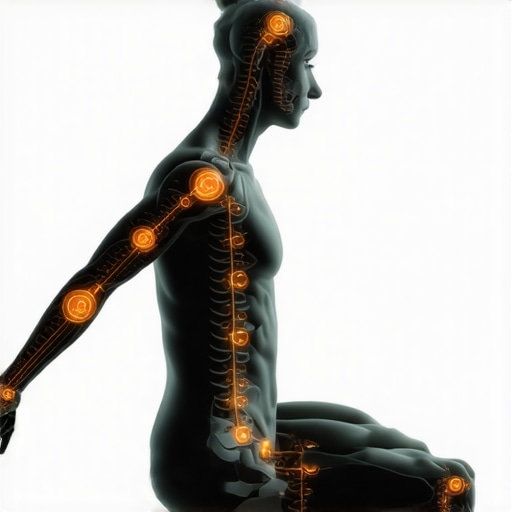
Keeping your back in good shape isn’t a one-time effort; it requires consistent practice and the right tools. Personally, I rely heavily on mobility aids like foam rollers and massage balls to release tight muscles and improve flexibility. Regular use of a soft massage ball, especially for the deep glute release, has been transformative in my routine, helping loosen stubborn knots that can cause discomfort during lifting or prolonged sitting.
Another essential tool is a quality ergonomic support, such as adjustable lumbar cushions. Proper support during work or travel helps maintain spinal alignment and prevents strain from poor posture. I also use software like posture reminder apps that gently alert me when I slouch—small nudges that reinforce good habits and prevent chronic misalignment.
For long-term results, incorporating targeted mobility drills into your daily routine pays dividends. Resources like mobility strategies for active living offer excellent exercises that improve joint range and muscle flexibility, reducing compensatory movements that often lead to pain.
Predictions suggest that as technology advances, wearable devices equipped with sensors will become more sophisticated, providing real-time feedback and individualized programs. This integration of biofeedback will make maintaining back health more intuitive and personalized.
Safeguarding Your Progress with Consistent Checks
Beyond tools, practicing daily spinal alignments using simple adjustments helps solidify good posture habits. Regular self-assessments, like the posture correction checks, catch misalignments early. I recommend dedicating a few minutes daily to these quick routines, reinforcing your body’s natural support system and preventing setbacks.
It’s equally important to educate yourself on neuroplasticity and habitual patterns. For instance, integrating active mobility exercises and self-awareness practices can rewire ingrained wrong movement patterns, which is especially crucial if you’ve dealt with chronic pain. A noteworthy reference is a study by *Hodges & Tucker (2016)* in the Journal of Pain, emphasizing how neuro-motor training aids in long-term pain reduction.
Try adopting the habit of a brief morning mobility session, focusing on exercises like the deep glute release and thoracic bridge. Incorporating these practices not only enhances flexibility but also primes your nervous system for safer movement throughout the day. Remember, sustained change is about consistency and choosing tools that resonate with your lifestyle.
Are you ready to elevate your back health? Start with the small but powerful step of using a massage ball to release tension in your hips and lower back. It’s a simple addition that can yield immediate relief and set the tone for a healthier, more resilient spine.

The Hardest Lesson I Learned About Back Pain, Adjustments, Posture, Mobility
One of the most eye-opening realizations came when I discovered that perfect posture during lifting isn’t enough; it’s about ingraining movement patterns through neuroplasticity. I used to think fixing posture was a one-and-done deal, but aging, habits, and stress reinforce bad movement if we’re not intentional—it took patience and targeted exercises like neuro-retraining to truly rebuild my movement blueprint.
Uncovering My Greatest Mistake in Protecting My Spine
I used to rely heavily on static stretching, believing it would save me from injury. But I overlooked how active mobility drills, such as those in mobility strategies, strengthen tissues in functional ranges. This shift from passive to active stretches was a turning point, transforming my ability to lift safely without pain.
Why I Started Viewing Back Care as a Continuous Journey
Maintaining back health isn’t a single act but a daily practice of micro-movements, awareness, and adjustments. Incorporating simple routines like daily spinal alignments and using tools like massage balls keeps my body responsive and resilient, reinforcing good habits inherently rather than momentarily fixating on posture corrections.